Instruments for Orthodontic Laboratories
Written & reviewed by the Equate Technical Team · Updated
Orthodontic labs making removable appliances and retainers work with stainless steel wire, so they need clasp and loop forming pliers, a wire cutter rated for the wire, articulators, and calipers for measuring. Equate lists Adams, Nance, clasp and arch forming pliers, articulators and Iwanson and vernier calipers directly on a quote basis.
Step by step
- 1
Form clasps
Adams plier for the bridge and arrowheads; Nance clasp pliers and a Mathieu or Jarabak for fine detail.
- 2
Bend bows and springs
Round arch forming and a bird beak plier shape bows and loops; cut with a hard wire cutter.
- 3
Mount and check
Mount casts on an articulator and check occlusion before finishing.
- 4
Measure
Calipers and gauges check wax thickness, widths and wire dimensions.
Iwanson CaliperVernier Caliper (Dental)Boley GaugeDividing Gauge
What the lab bench actually does
A removable-appliance lab typically receives an impression or scan, a prescription and a bite registration, then builds a Hawley retainer, an expansion plate, a space maintainer or a similar appliance. Wire work is the skilled part: an Adams clasp for molar retention, a labial bow, finger springs, and soldered or welded joints.
The wire is hard stainless steel. A BDJ Team review notes the Adams clasp is usually made from 0.7 mm hard stainless steel wire, although 0.8 mm has also been advocated, and lab practice for labial bows varies between about 0.7 and 0.8 mm. Instruments need to be rated for these gauges and tip geometry matters more than speed.
Workflow to instrument map
| Bench step | Task | Instruments |
|---|---|---|
| Clasp forming | Adams clasp bridge and arrowheads | Adams plier, clasp forming plier, Nance and Adam clasp plier |
| Bow and spring work | Labial bow, loops, finger springs | Round arch forming plier, three-prong plier, bird beak, Jarabak |
| Wire contouring | Fitting wire to the cast | Contouring and arch forming pliers |
| Cutting | Trimming wire | Hard wire cutter for stainless steel hard wire |
| Articulation | Mounting casts, checking occlusion | Articulator |
| Measuring | Cast and wax thickness, dimensions | Iwanson caliper, vernier caliper, Boley gauge, dividing gauge |
| Soldering | Holding small parts | Soldering and reverse-action tweezers |
Why wire cutters need rating discipline
Hard stainless steel wire used for clasps and bows is tougher than the light wire cut chairside. Cutting it with a light-wire cutter dents or chips the blades. Labs therefore use hard wire cutters, preferably with carbide inserts, and keep light-wire cutters for fine wire only. Mark the rating on the instrument and keep tools separated by use.
Regulatory position of the lab
In the EU, appliances made to an individual prescription are custom-made devices, and the manufacturer, including a dental laboratory, has obligations under MDR Annex XIII. A dental-perspective review in Frontiers in Dental Medicine states that these obligations are less stringent than for industrial manufacturers. Labs also commonly ask their instrument suppliers for ISO 13485:2016 certification as part of supplier qualification. Check national rules for your market.
Instrument care and calibration
- Clean wire residue, flux and investment from jaws after each job.
- Inspect tip alignment and joint play; replace pliers that twist wire.
- Verify caliper zero and Boley gauge accuracy against a known gauge block at set intervals.
- Separate pliers by wire rating and mark them.
- Lubricate joints with a suitable instrument lubricant.
Price and ordering
Equate prices are indicative list prices in EUR ex-VAT, and quotes are individual. Adams pliers list at about EUR 64.90, roughly 52% below the EUR 134.80 median premium European RRP for comparable wire and forming pliers. Equate sells directly to labs and practitioners; request a quote from the contact page. Labs that want to resell can apply through the distributors page.
The Equate difference
Equate lists 4 Adams plier references, among them an Adams plier for 0.7 mm wire and a 1.0 mm version with tungsten carbide inserts, plus 4 articulators and 4 vernier calipers.
Equate Instruments for Orthodontic Laboratories options
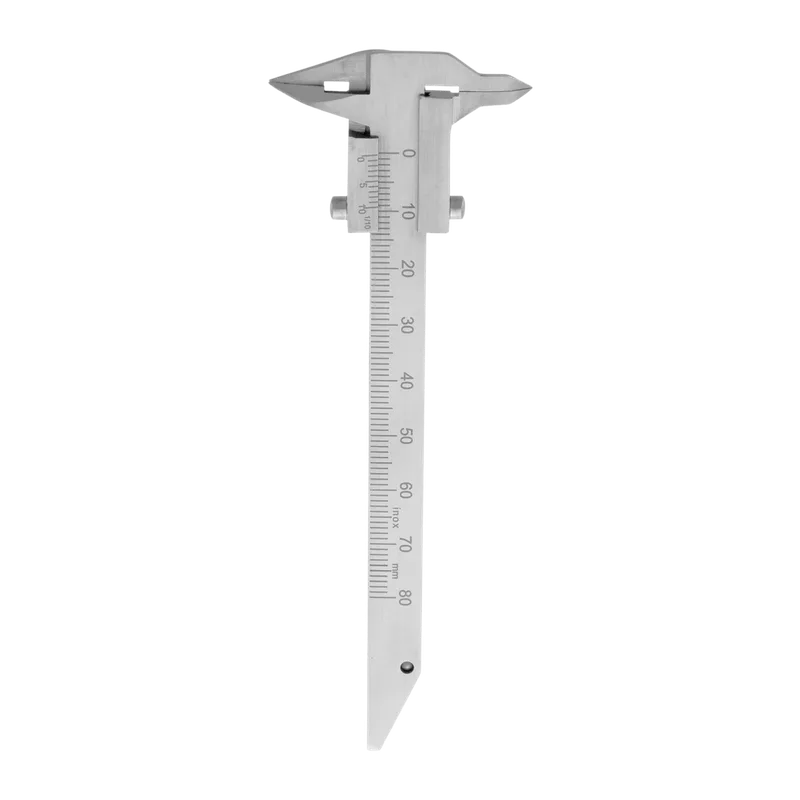
Vernier Dental Caliper 130mm
EI-0526
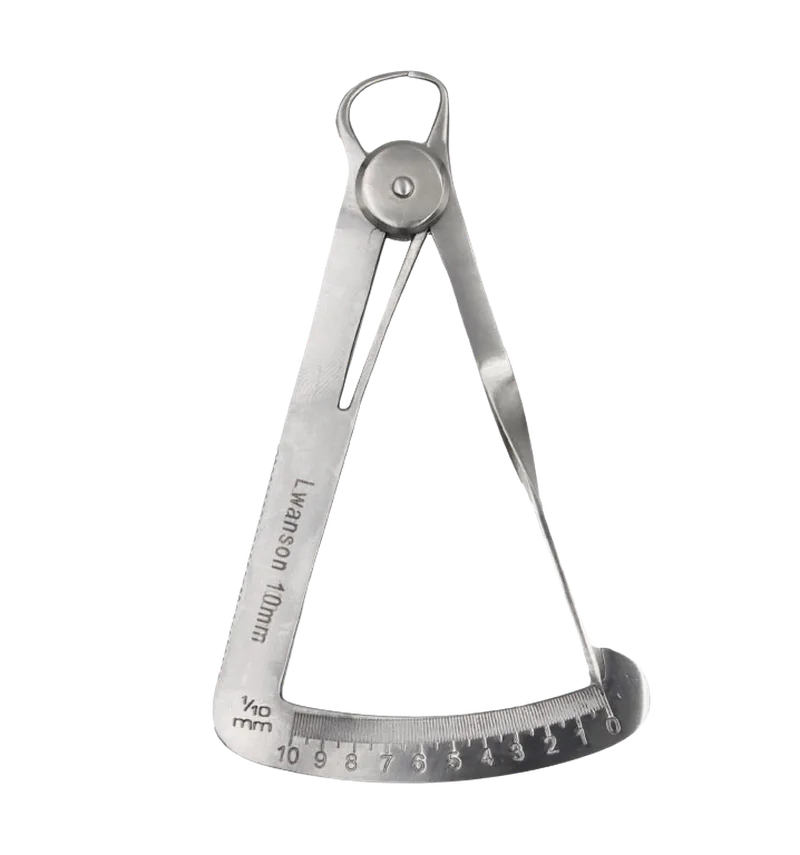
Iwanson Caliper for Wax 10 mm
EI-0529
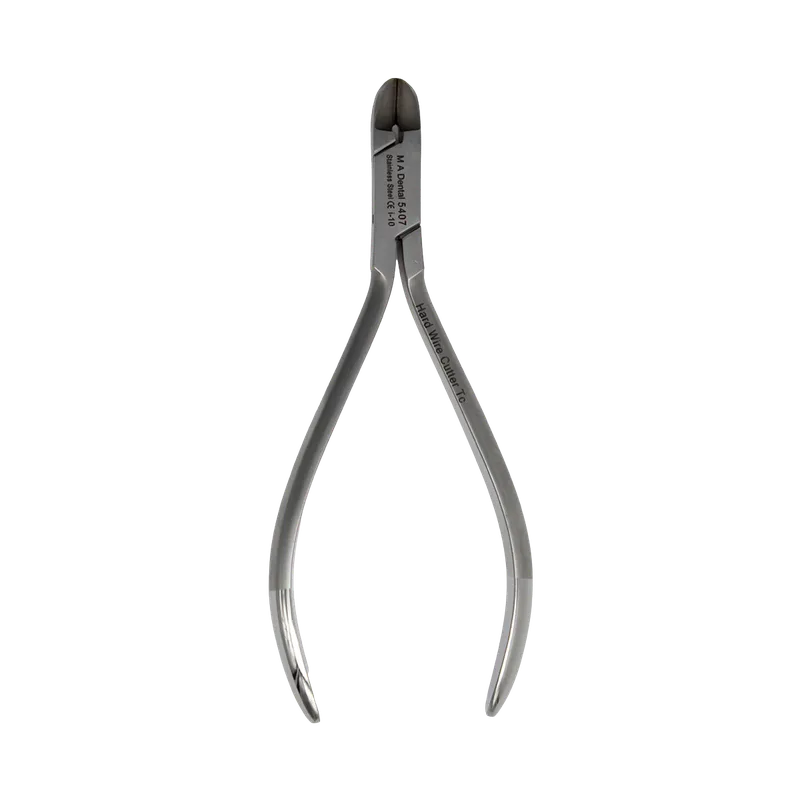
Hard Wire Cutter Plier 15 Degree Tungsten-Carbide Max 0.028 Inch Wire
EI-0681
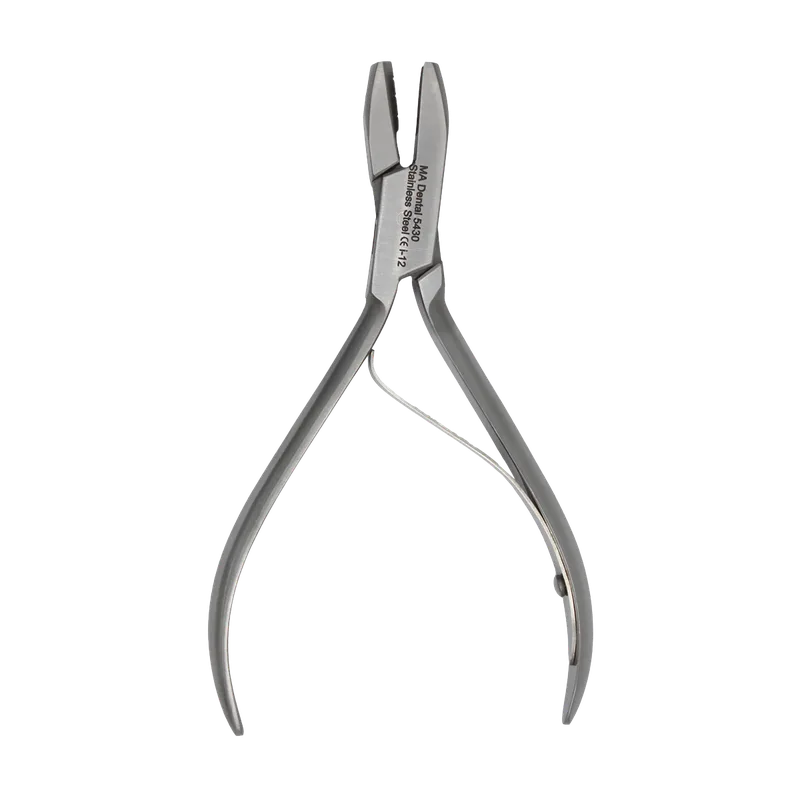
Dela Rosa Arch Forming Pliers with Groove 0.41/0.46/0.56 mm (.016″/.018″/.022″ Wire)
EI-0688
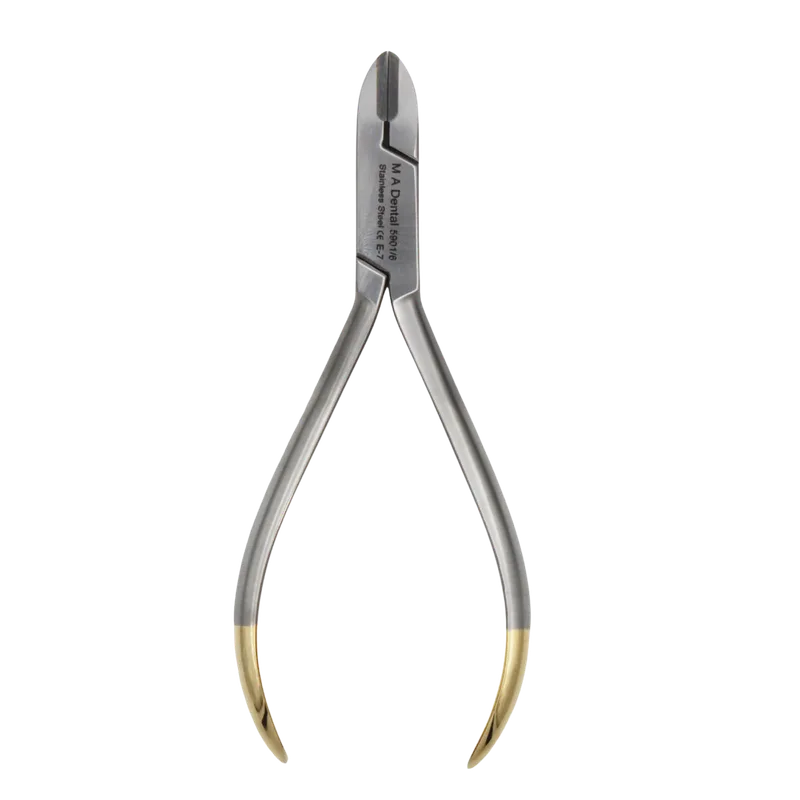
Hard Wire Cutter Plier - Tungsten Carbide, 0.71 mm / .028 in Wire
EI-0792
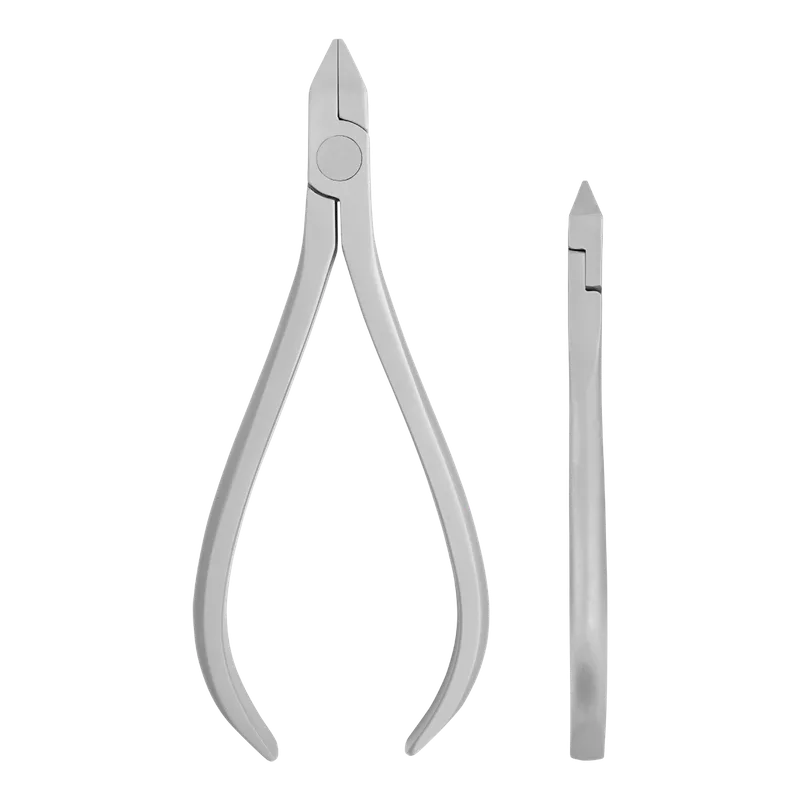
Adams Plier - Max 0.7 mm, 13 cm
EI-0804
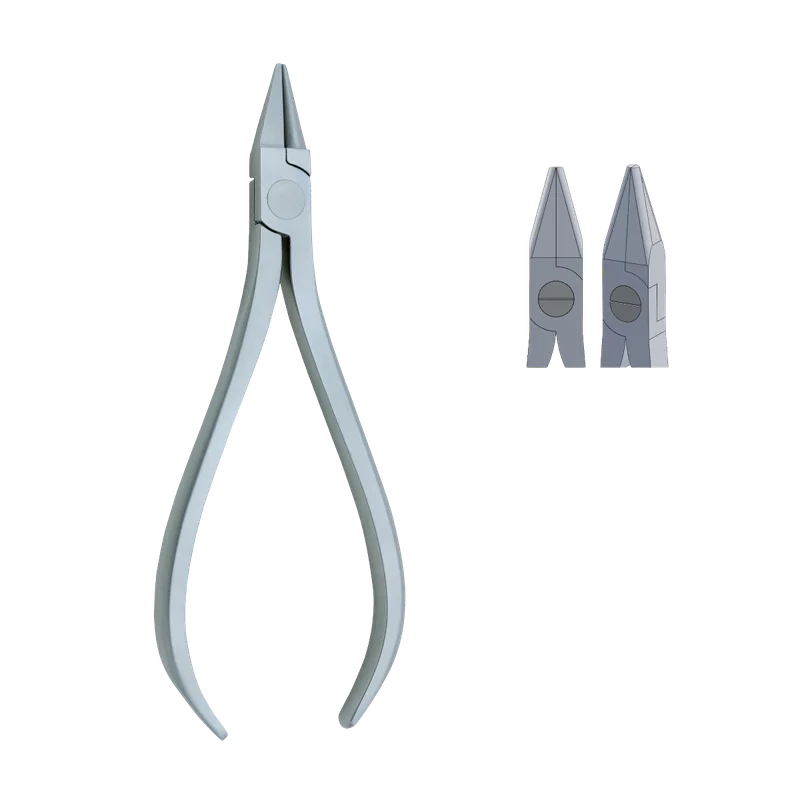
Schwarz Medium Forming and Bending Plier
EI-0806
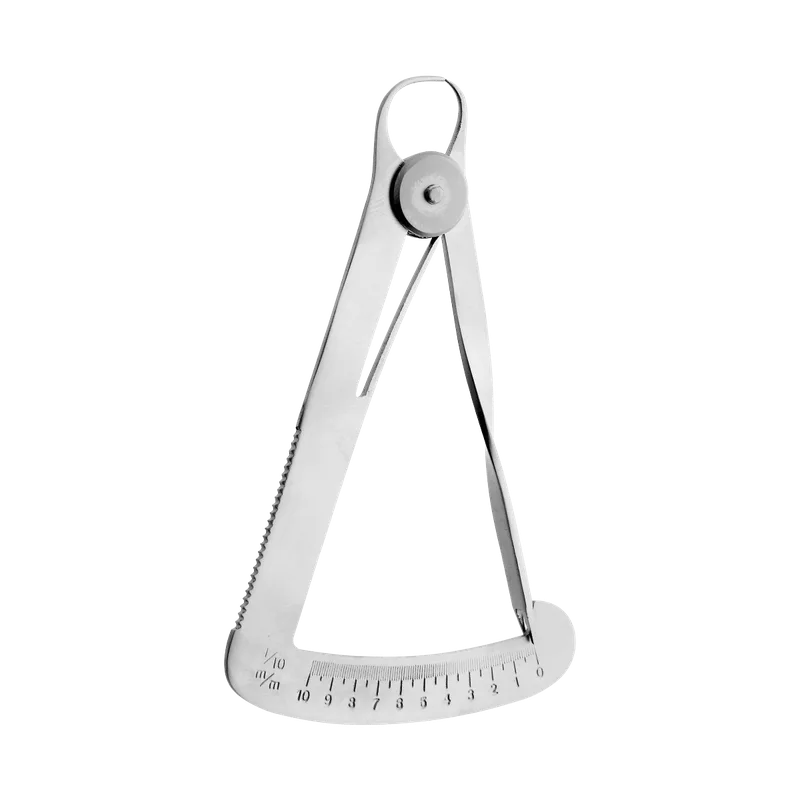
Iwanson Wax Thickness Caliper (0-10 mm)
EI-2453
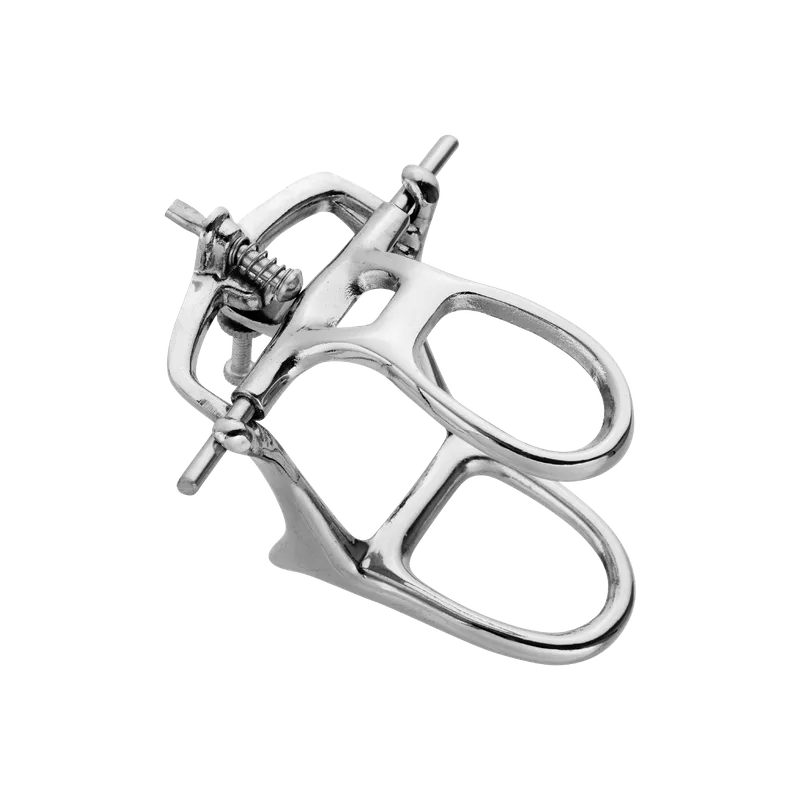
Finishing Articulator - Stainless Steel
EI-2463
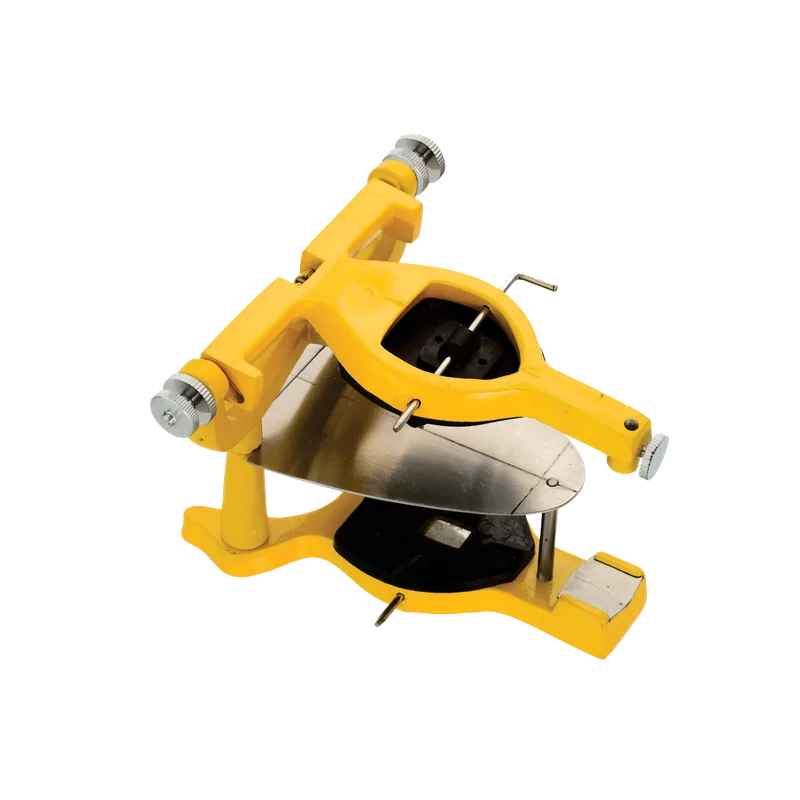
Adjustable Dental Articulator
EI-2464
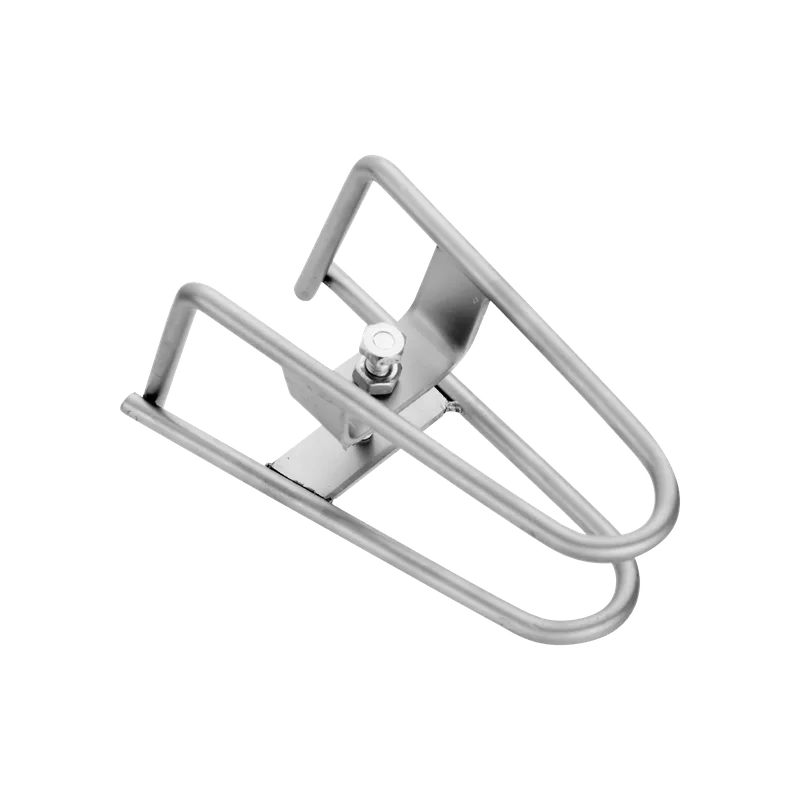
Wire-Frame Dental Articulator
EI-2465
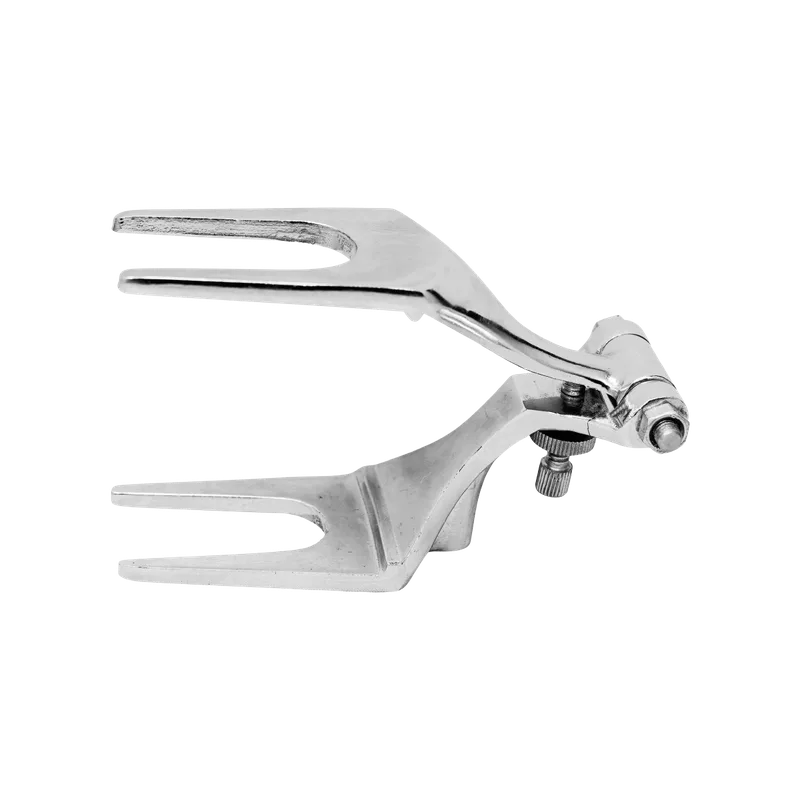
Plasterless Forked Dental Articulator
EI-2466
Frequently asked questions
What pliers does an orthodontic lab need?
Adams plier, round arch forming plier, three-prong, bird beak, a Jarabak or similar for detail, and a hard wire cutter.
What wire is used for an Adams clasp?
Usually 0.7 mm hard stainless steel, although 0.8 mm has been advocated, according to a BDJ Team review.
What is an Iwanson caliper used for?
Measuring thickness, for example wax or material thickness, often up to 10 mm.
Do labs need a different wire cutter?
Yes. Hard stainless steel wire needs a hard wire cutter, ideally with carbide inserts. Light wire cutters should not cut hard wire.
How does a lab order Equate instruments?
Equate sells directly on a quote basis; request a quote on the contact page.
Are removable appliances custom-made devices under the MDR?
Appliances made to individual prescription are generally treated as custom-made devices under Annex XIII, per a dental-perspective MDR review. Check your national rules.
References
- Dental materials: The Adams family, BDJ Team 2014
- Medical device regulation (MDR) from a dental perspective, Frontiers in Dental Medicine
- ISO 13485:2016 medical devices quality management systems
- Equate Instruments orthodontic catalogue and indicative list pricing, 2026
I am a…