Dental Articulator
Written & reviewed by the Equate Technical Team · Updated
A dental articulator is a mechanical device that holds upper and lower stone models in a fixed relationship so a technician or clinician can study and finish the occlusion outside the mouth. Simple hinge types reproduce opening and closing only; semi-adjustable and fully adjustable designs also approximate jaw movements.
What an articulator does
Models of the maxillary and mandibular arches are only useful for occlusal work if they can be brought together in the same relationship the patient has in the mouth. The articulator provides that: two frames joined by a hinge or by condylar guidance elements, onto which the casts are mounted with plaster or, in some designs, held mechanically. Once mounted, the technician can close the models, check contacts, adjust wax-ups and finish crowns, bridges and other indirect restorations without needing the patient present.
Orthodontic practices use articulators less often than prosthodontic labs, but they appear wherever study models are mounted to check the occlusal relationship before treatment, to plan surgical or restorative cases, or to evaluate set-ups and retainers. Which type is appropriate depends on how much of the jaw movement actually needs to be reproduced.
How articulators are classified
Textbook classifications commonly sort articulators into four classes: non-adjustable, average-value, semi-adjustable and fully adjustable (see the Pocket Dentistry chapter on principles and types of articulators). Non-adjustable and simple hinge devices only open and close. Average-value designs build in typical condylar settings. Semi-adjustable designs let the operator set condylar guidance and sometimes side shift from patient records, and fully adjustable instruments allow the greatest range of settings and normally need a pantographic or similar recording.
Within the semi-adjustable group, designs are called arcon when the condylar element is attached to the lower member, mirroring the skull, and non-arcon when it is attached to the upper member. Secondary teaching sources report that studies found no meaningful difference in condylar movement between the two in protrusive and balancing positions, so the choice often comes down to workflow, vertical-dimension changes and what the laboratory already uses. Treat that as a summary of secondary sources rather than a settled finding.
Articulator types compared
| Type | What it reproduces | Typical use | Main limitation |
|---|---|---|---|
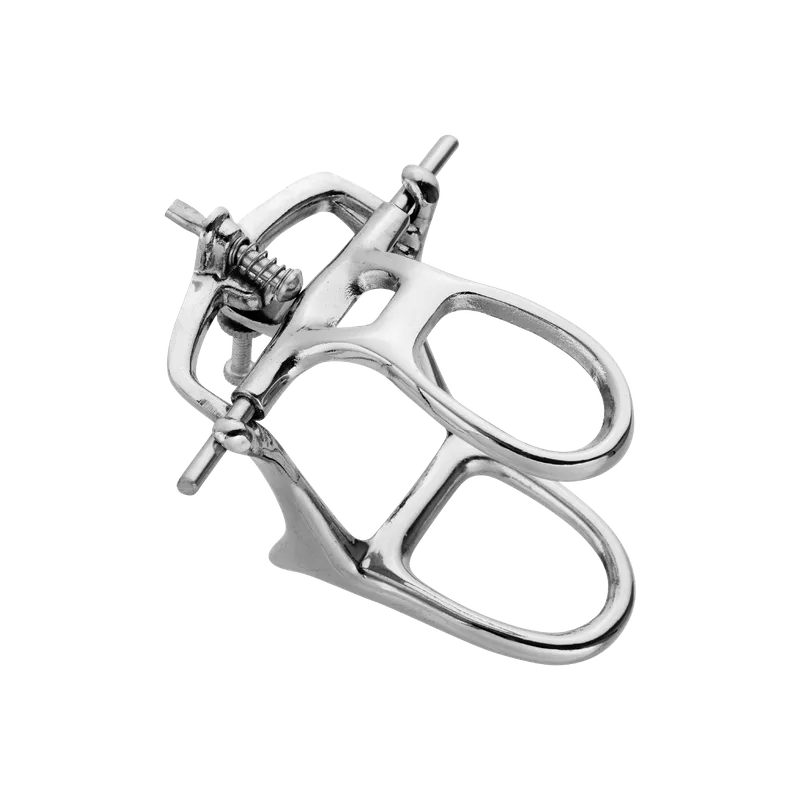
| Simple hinge / finishing articulator | Opening and closing on a fixed axis | Finishing crowns and bridges, checking occlusal contacts on small casts | No protrusive or lateral guidance |
| Wire-frame articulator | Closing arc through a lightweight frame | Quick mounting of study casts, retainer and set-up checks | Limited stability for heavy casts |
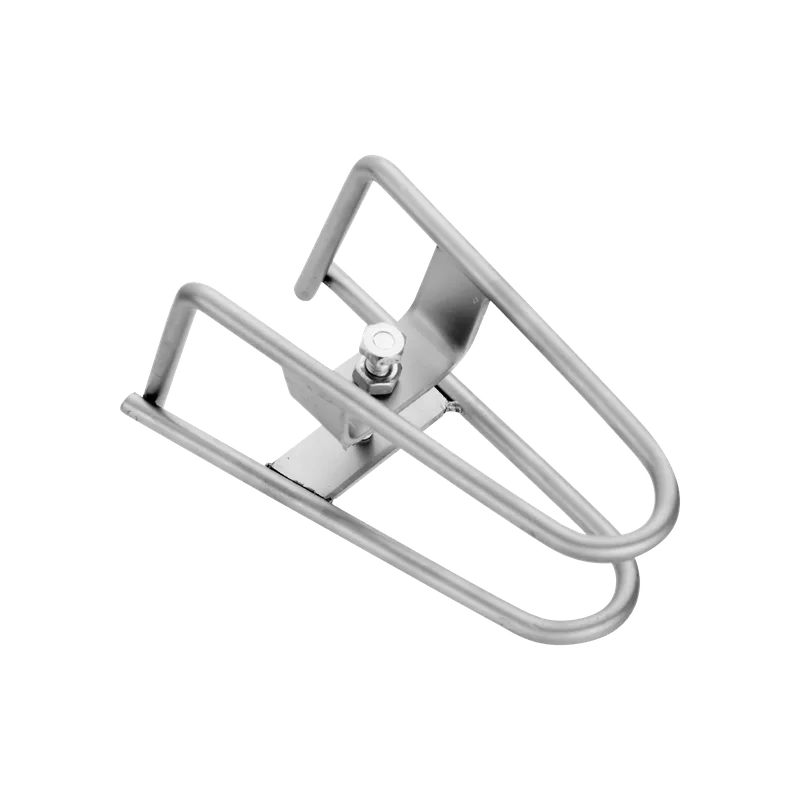
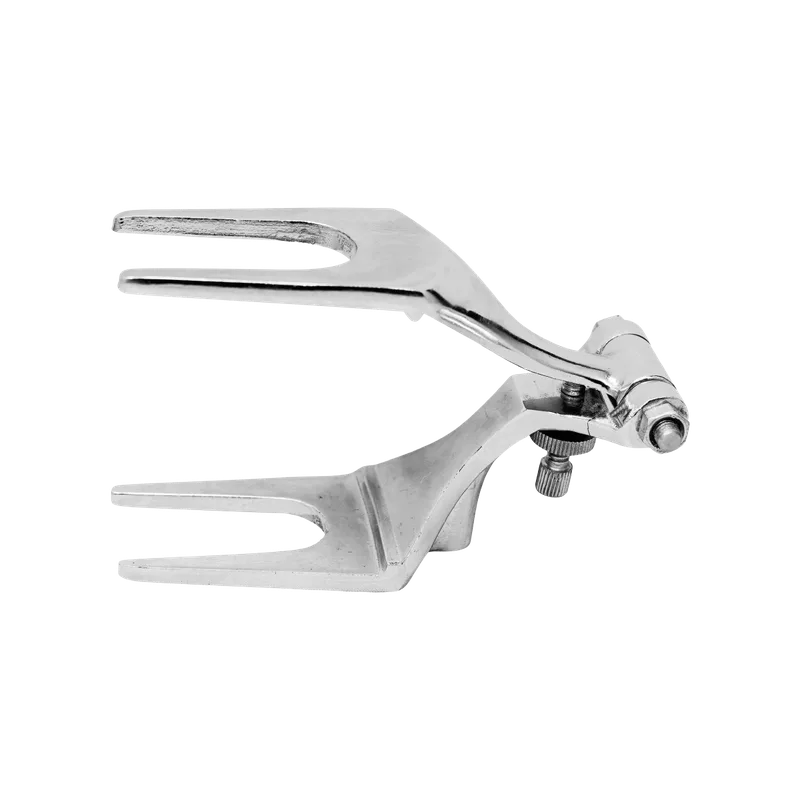
| Plasterless forked articulator | Closing arc with casts held mechanically | Fast mounting without plaster, lab workflow efficiency | Reduced rigidity compared with plaster mounting |
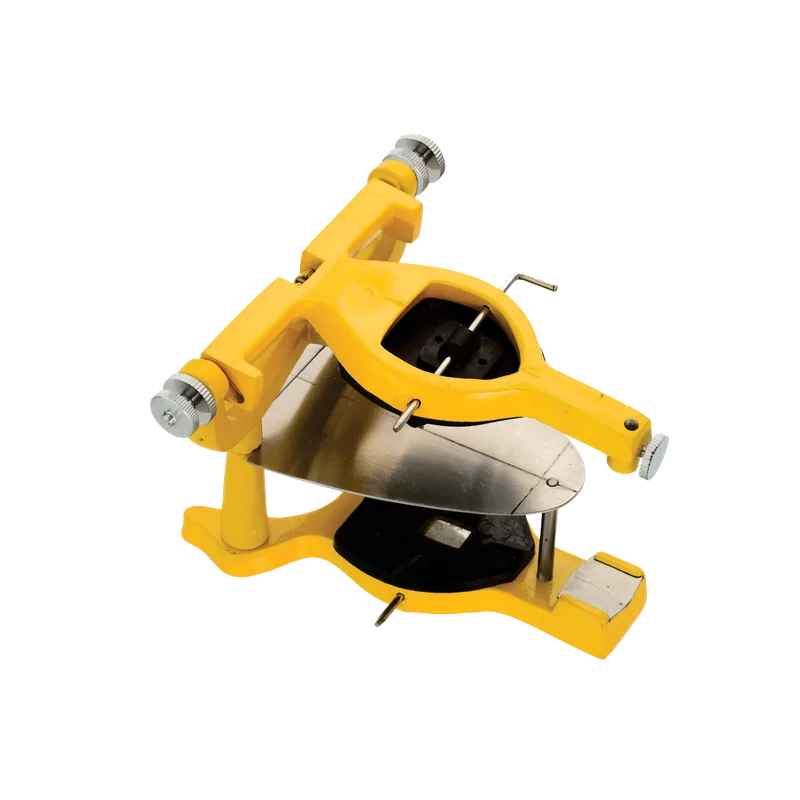
| Adjustable articulator | Adjustable hinge or condylar settings | Cases where excursive contacts matter | Needs patient records to be set meaningfully |
The Equate articulator range
Equate Instruments lists four articulators: the Finishing Articulator in stainless steel, an Adjustable Dental Articulator, a Wire-Frame Dental Articulator and a Plasterless Forked Dental Articulator. The Finishing Articulator is a compact hinged device with wide looped frames for small anatomical casts and a precision thumb-screw that locks the articulated position once the vertical dimension is set.
All four are made from stainless steel, passivated for corrosion resistance, ultrasonically cleaned and tested for shape, boil and performance. They are reusable, latex free and supplied non-sterile and individually packed, so they can be processed with the laboratory's normal cleaning routine.
How to choose an articulator
- Decide first whether you need only closure (finishing, contact checking) or also excursive movement; hinge types are adequate for the former and misleading for the latter.
- Match cast size and weight to the frame: looped frames suit small casts, heavier full-arch work needs a rigid mounting.
- Check that the locking mechanism holds the vertical dimension without drifting between sessions.
- Prefer materials that tolerate gypsum slurry and repeated cleaning; polished, passivated stainless steel is the usual choice.
- If several people mount models, standardise on one design so casts can be exchanged between the clinic and the laboratory.
Care and mounting practice
Remove gypsum residue before it hardens in hinges and thumb-screw threads, clean in an ultrasonic bath, rinse, dry and lightly lubricate moving parts with a product compatible with your sterilisation process. Inspect the hinge for side play: any looseness changes the closing arc and therefore the contacts you are trying to judge.
The Equate difference
Equate lists 4 articulator references in stainless steel, from a Finishing Articulator with a thumb-screw lock to adjustable, wire-frame and plasterless forked designs, all passivated and supplied individually packed.
Equate Dental Articulator options
Frequently asked questions
What is a dental articulator used for?
It holds upper and lower casts in a fixed relationship so occlusion can be examined and restorations or set-ups finished outside the mouth.
What is the difference between arcon and non-arcon articulators?
On an arcon articulator the condylar element sits on the lower member, like the skull; on a non-arcon it sits on the upper member. Secondary teaching sources report similar condylar movement for both.
Do I need a semi-adjustable articulator for orthodontics?
Not usually. Orthodontic model checks and set-ups can often be done on a simple articulator; semi-adjustable types are chosen when excursive contacts or restorative planning matter.
What does a finishing articulator do?
It is a compact hinged articulator used to verify occlusal contacts on small models while finishing crowns, bridges and indirect restorations.
Can a stainless steel articulator be autoclaved?
Stainless steel articulators tolerate cleaning and steam sterilisation, but gypsum residue should be removed first and the manufacturer's instructions for your model followed.
How do I keep an articulator accurate?
Clean plaster from the hinge and screws, check for side play regularly and replace or service the articulator if the closing arc no longer repeats.
References
- Principles and Types of Articulators (Pocket Dentistry)
- Selection of articulator for general dental practice
- Lab Talk: An Articulated Discussion About Articulators (Inside Dentistry, 2005)
- ISO 13485:2016 medical devices quality management systems
I am a…