Bird Beak Plier
Written & reviewed by the Equate Technical Team · Updated
A bird beak plier is an orthodontic wire-forming plier with one round, conical beak and one flat, pyramidal beak. Wire bent around the round beak forms smooth loops and curves, while the flat beak makes sharper angles. It is used to bend loops, springs, clasps and arch adjustments in light round wire, both chairside and in the laboratory.
What a bird beak plier is used for
The bird beak (often catalogued as a No. 139) is one of the oldest and most versatile wire-bending instruments in orthodontics. Wrapping wire around the round beak produces smooth curves and loops of controlled diameter; pressing it against the flat beak produces sharper bends. Clinicians use it chairside to adjust springs and loops, and technicians use it to form clasps, finger springs and labial bows for removable appliances.
Many orthodontic suppliers and educators describe it as one of the most frequently used instruments at routine adjustment appointments, especially in practices that still use removable appliances.
Wire limits
| Wire | Suitable? | Note |
|---|---|---|
| Round SS up to about .025 in (0.64 mm) | Yes | Check the rating on the specific plier |
| Clasp wire 0.7 mm | Heavy versions only | Use a lab-rated plier |
| Rectangular SS | Not recommended | Use Tweed or rectangular arch-forming pliers |
| NiTi | Not for permanent bends | NiTi springs back; heat-treat or use another wire |
Variations
- Standard 139 bird beak — the classic all-rounder.
- Long-beak bird beak — reach for larger loops and lab work.
- Tungsten carbide tipped — the beak tips resist grooving from repeated bending.
- Bird beak with cutter — adds a small cutter near the joint for light wire.
How to choose a bird beak plier
The round beak must be truly round and smoothly polished, otherwise it leaves marks on the wire. The tips should meet precisely when closed, and the joint should be tight. If you bend a lot of stainless steel, carbide-tipped beaks keep their shape longer. Check the maximum wire rating: overloading a bird beak with heavy or rectangular wire is the commonest cause of sprung tips.
Clinicians who mostly use pre-formed archwires may need only one bird beak; laboratories and practices making removable appliances usually keep several, including a heavier version for clasp wire.
Care
Bird beaks, like three-prong pliers, benefit from periodic realignment and tip refinishing. Inspect the round beak for grooves, keep the joint lubricated and autoclave open. Replace or refurbish when wire starts to show marks after bending.
Published work on orthodontic pliers suggests steam autoclaving is generally gentler on stainless steel pliers than prolonged chemical immersion: a small in-vitro pilot study in the Dental Press Journal of Orthodontics found oxidation on only one of two brands after 100 autoclave cycles and more corrosion after 2% peracetic acid, and an earlier study of ligature-cutting pliers found no significant difference in tip wear between steam and dry-heat sterilisation. Both are small studies, so follow each manufacturer's reprocessing instructions.
The Equate difference
Equate offers 12 bird beak plier references, including long-beak and tungsten carbide tipped versions, forged in passivated stainless steel, at a typical list price about 52% below the median premium European RRP for orthodontic wire-forming pliers.
Equate Bird Beak Plier options
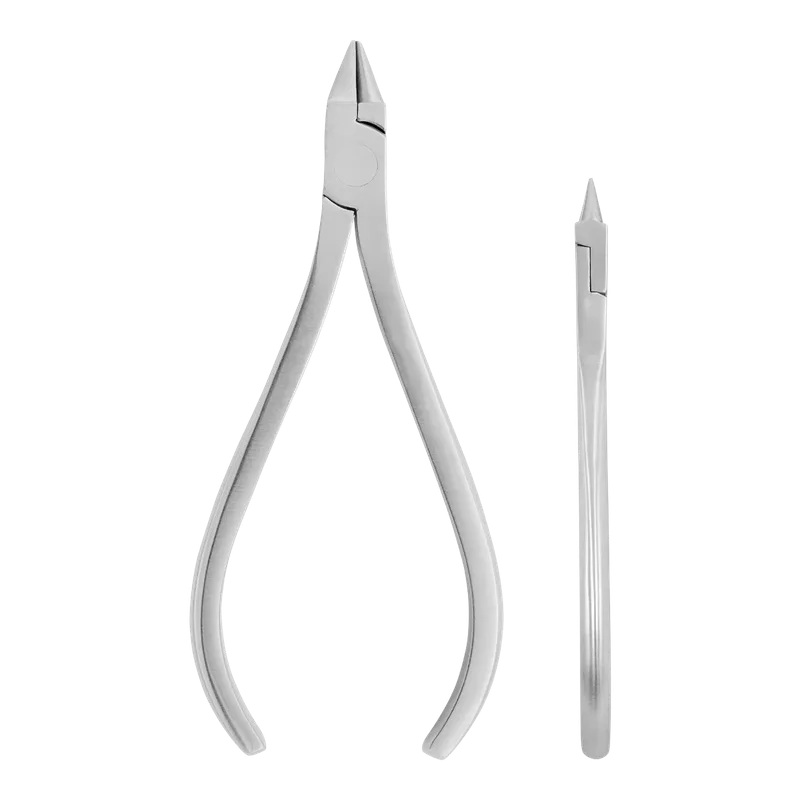
Bird-Beak Plier
EI-2592
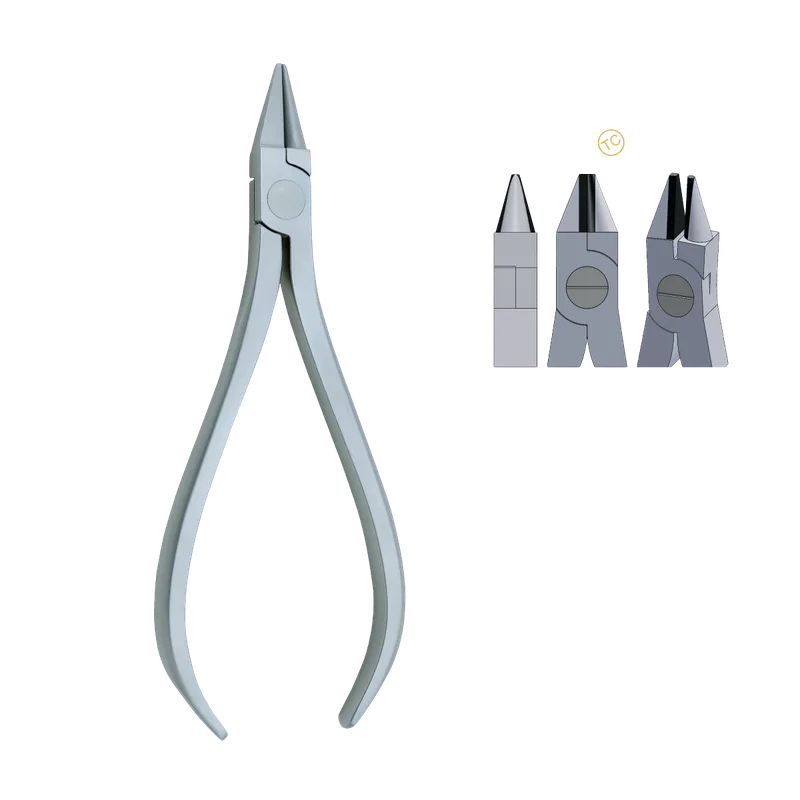
Bird-Beak Plier - Plain Tip, Tungsten Carbide
EI-2593
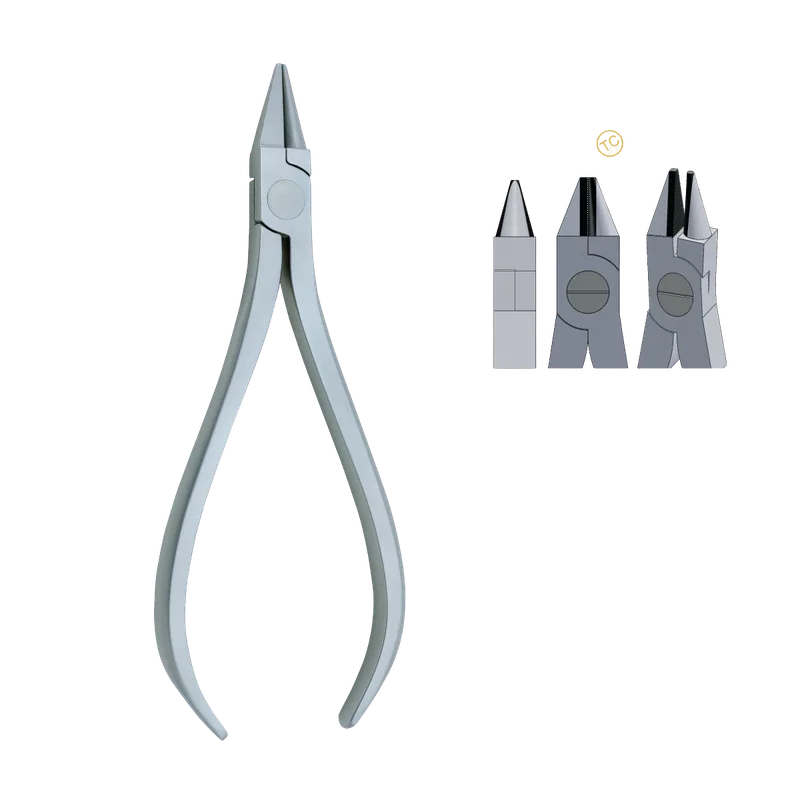
Bird-Beak Plier - Serrated Tip, Tungsten Carbide
EI-2594
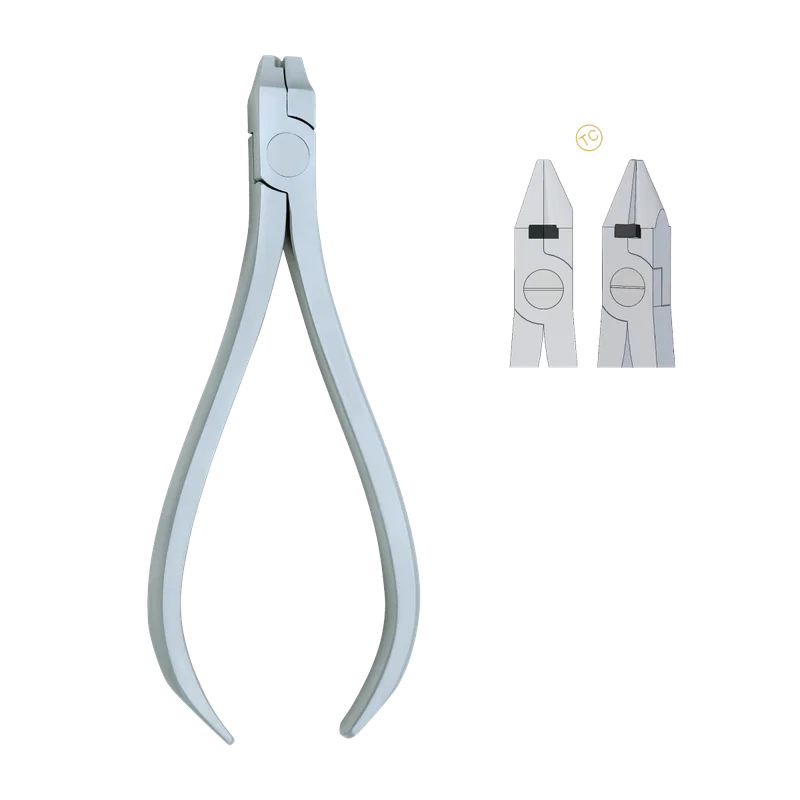
Bird-Beak Plier with Cutter - Tungsten Carbide
EI-2595
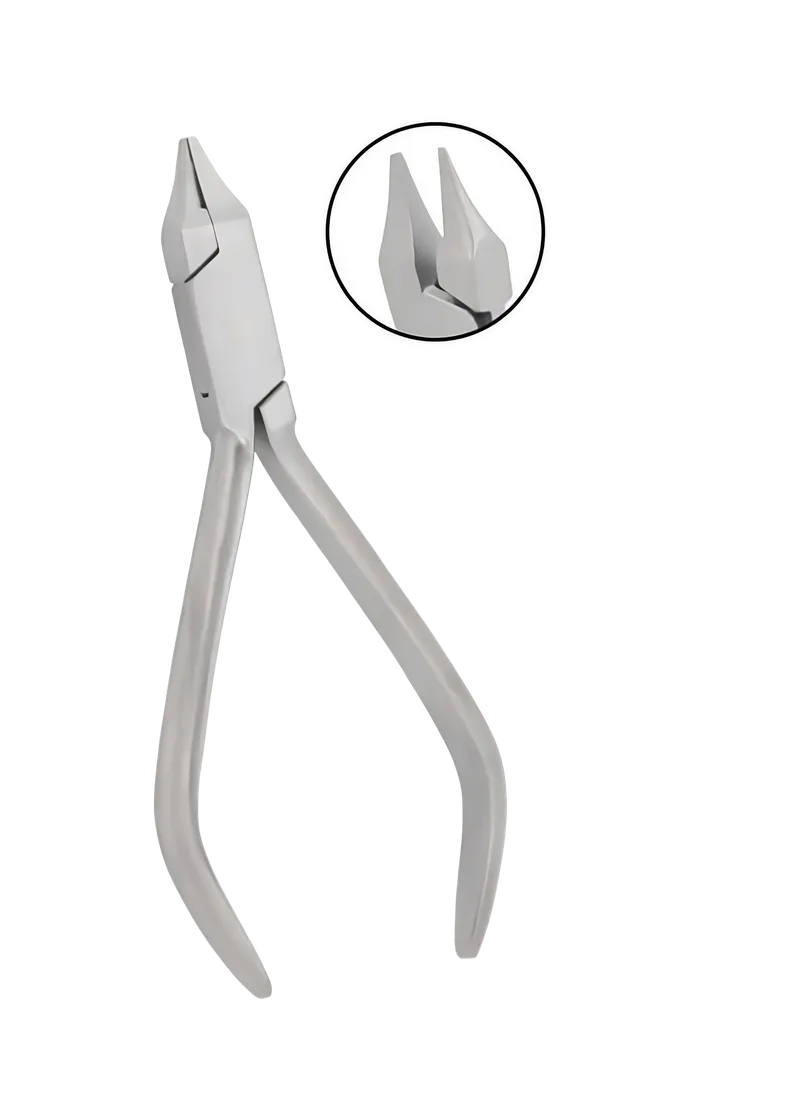
Slim Bird-Beak Pliers - Tapered Beak 12.5 cm
EI-3187
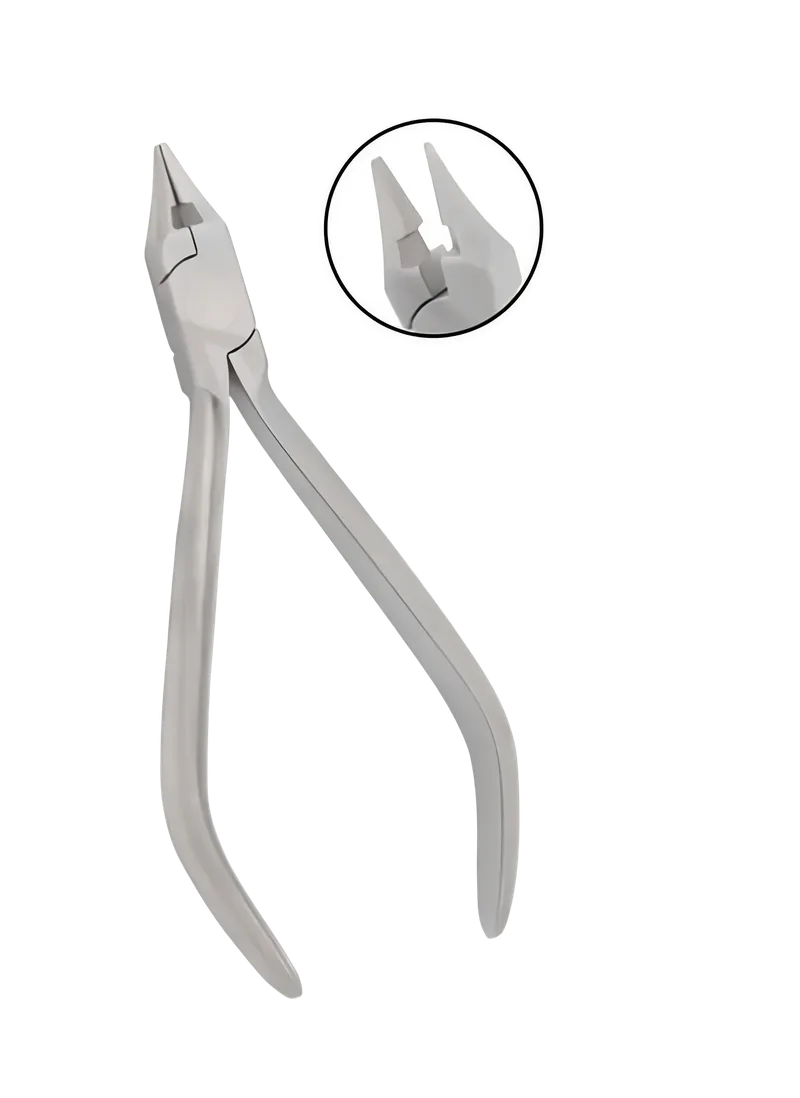
Bird-Beak Pliers with Cutters - Tapered Beak 12.5 cm
EI-3188
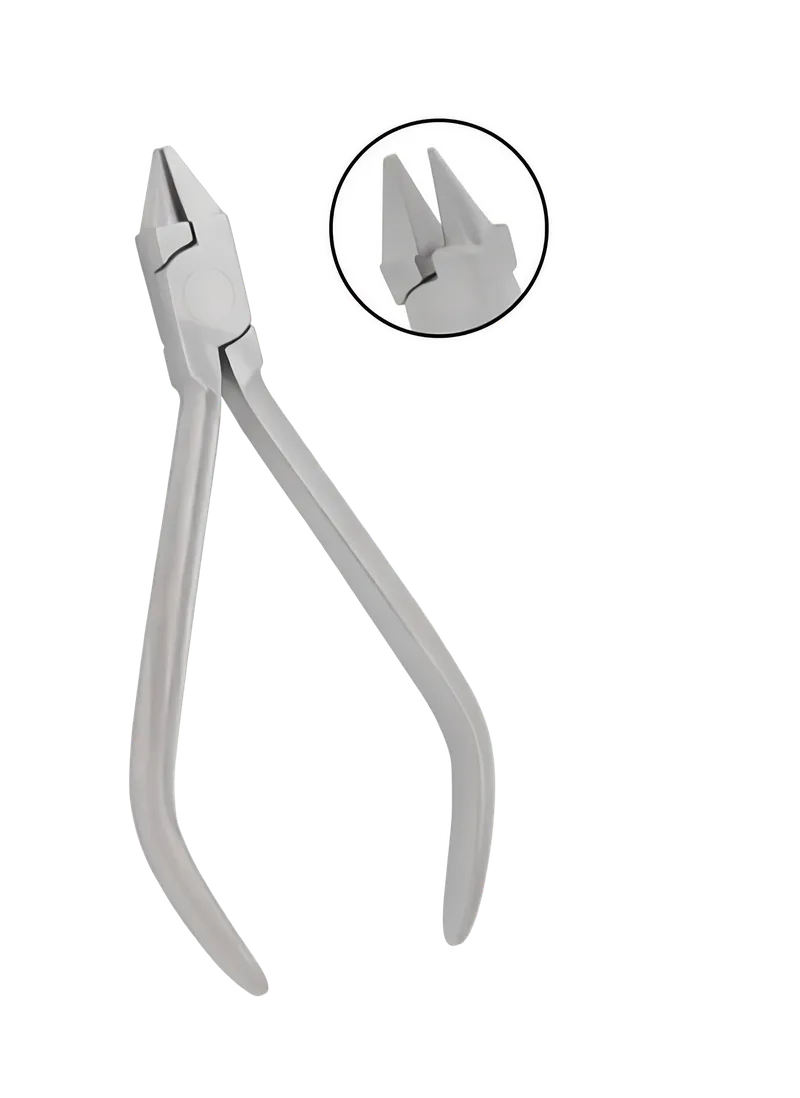
Bird-Beak Pliers 12 cm
EI-3189
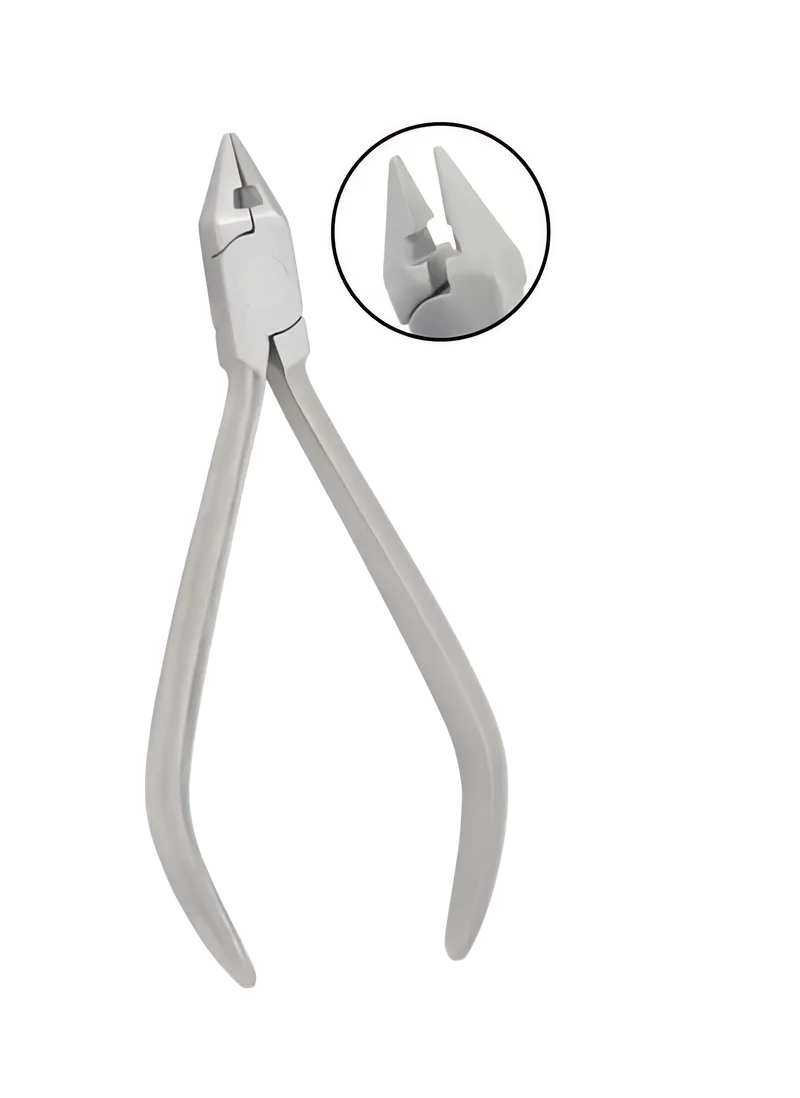
Bird-Beak Pliers with Cutters 12 cm
EI-3190
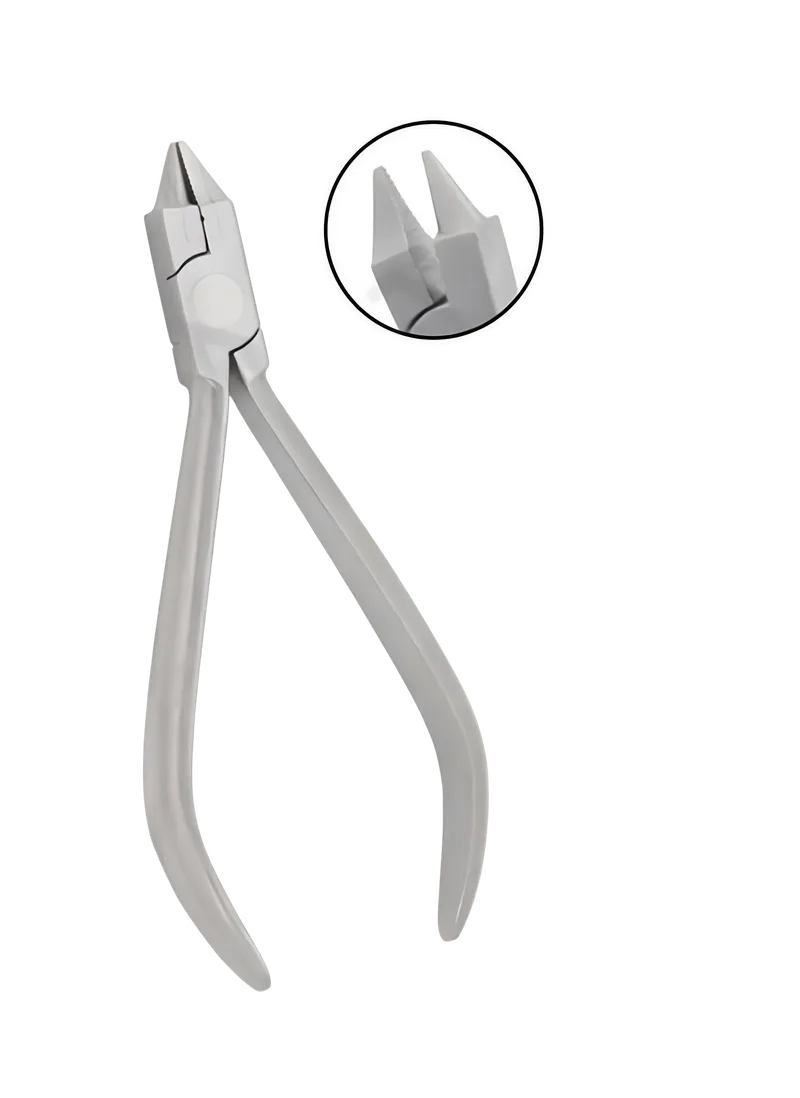
Heavy-Duty Serrated Bird-Beak Pliers
EI-3191
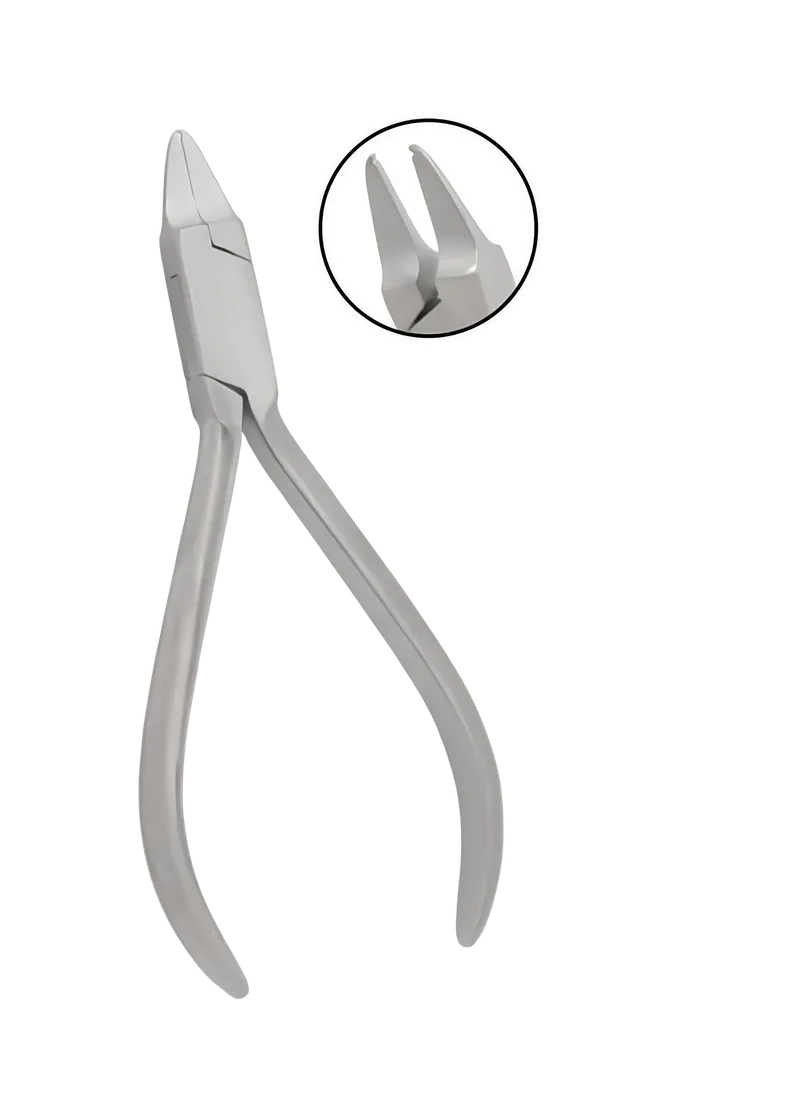
Wire Bending Plier with 1 Groove - 12.5 cm
EI-3203
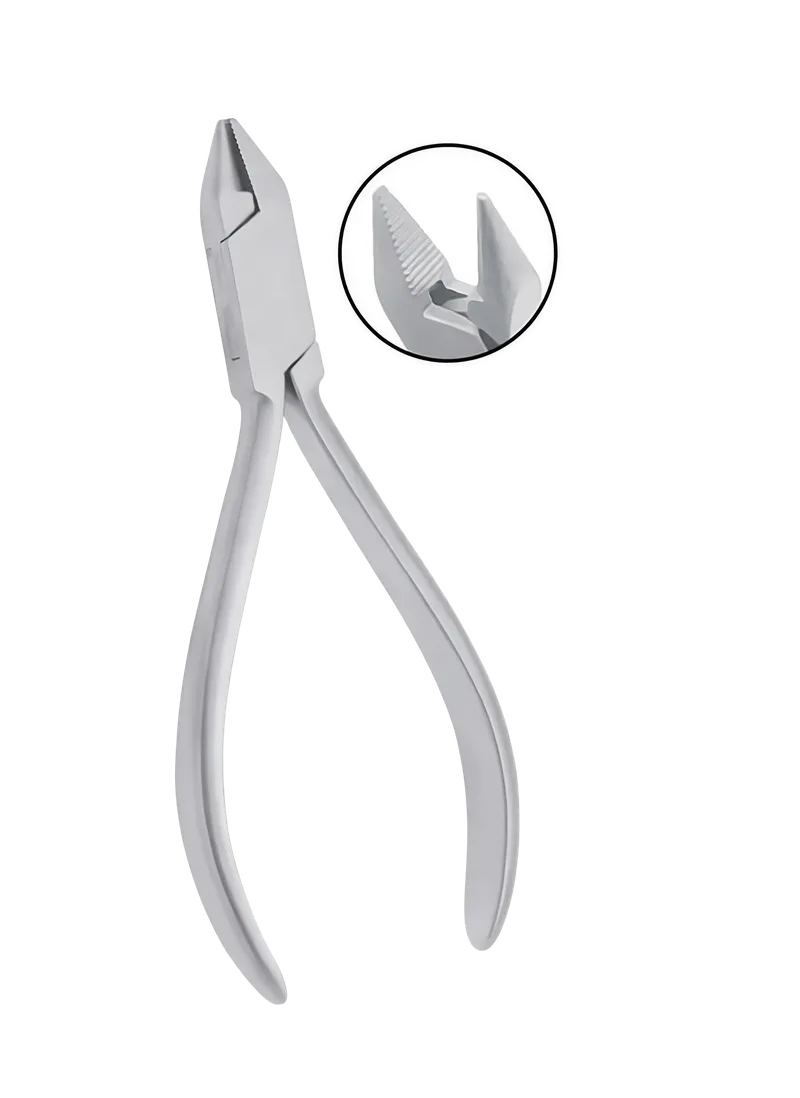
Lab Bird-Beak Pliers with Serrated Tips 14cm
EI-3327
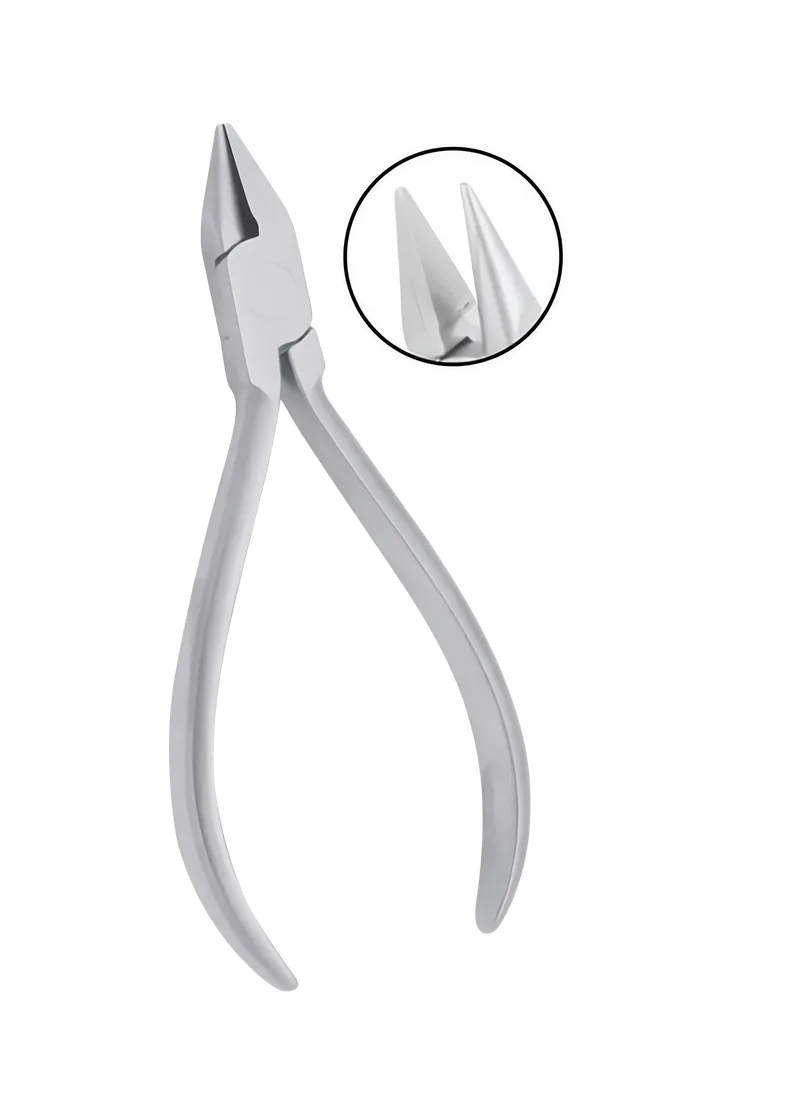
Bird-Beak Pliers - Long Beak for Heavy Wires 12.5cm
EI-3328
Frequently asked questions
What is a bird beak plier used for?
Bending loops, curves, springs, clasps and labial bows in round orthodontic wire. The round beak forms curves; the flat pyramidal beak forms sharper angles.
Why is it called a 139 plier?
No. 139 is the traditional catalogue number for the bird beak design, dating back to early orthodontic instrument catalogues. Many manufacturers still use it.
Can a bird beak plier bend rectangular wire?
It is not recommended. Rectangular wire needs flat parallel beaks to control torque; use a Tweed or rectangular arch-forming plier instead.
Bird beak vs Tweed loop plier — what's the difference?
A bird beak has one round and one flat beak for general loops and clasps. A Tweed loop forming plier has stepped round beaks for forming loops of precise, repeatable diameters in archwires.
How do I stop the bird beak plier marking the wire?
Use a plier with a smoothly polished round beak, keep the tips aligned, and avoid over-gripping. Marks usually mean the beak is grooved and needs refinishing.
References
- In vitro comparison of peracetic acid and autoclave sterilization in the corrosion of orthodontic pliers: a pilot study — Dental Press Journal of Orthodontics
- The effect of routine steam autoclaving on orthodontic pliers — PubMed
- Classification and uses of orthodontic pliers — Dentaltix clinical blog (supplier reference, used for terminology only)
I am a…