Weingart Plier
Written & reviewed by the Equate Technical Team · Updated
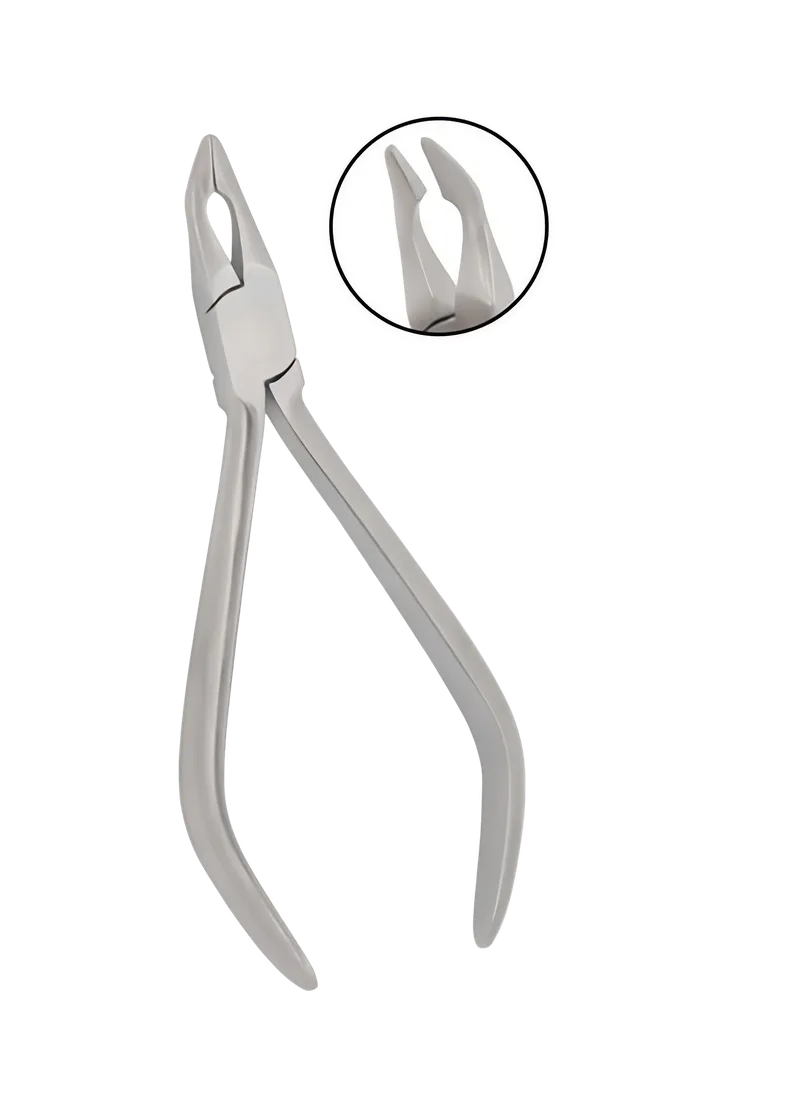
A Weingart plier is an orthodontic utility plier with long, tapered, serrated beaks angled at the tip, used to hold, guide and insert archwires into brackets and molar tubes and to remove them again. Its fine angled tips give a secure grip on round and rectangular wire close to the bracket while keeping the operator's view clear.
What a Weingart plier is used for
The Weingart is the everyday "hand" of orthodontic wire work. At an archwire change, the clinician uses it to grip the new wire close to its end, guide it into the molar tube, then walk it forward into each bracket slot. During removal, it grips the wire beside a bracket and eases it out. It is also used to place and adjust auxiliaries, make minor bends close to the bracket, and position elastomeric modules.
Because it is used at almost every appointment, it appears on virtually every list of essential orthodontic pliers, and many clinicians keep two on the tray so the assistant always has one ready.
Design features
- Long tapered beaks with a gentle angle near the tips for intraoral access.
- Fine serrations on the inner surfaces for grip on round and rectangular wire.
- Box joint for alignment over thousands of cycles.
- Mini Weingart versions with slimmer tips for small mouths, lingual and pediatric work.
- Tungsten carbide tipped versions where the serrated pads resist wear and keep their grip.
Weingart plier at a glance
| Feature | Weingart plier | Howe (utility) plier |
|---|---|---|
| Beak shape | Long, tapered, angled tips | Straight or curved, round pad ends |
| Main use | Archwire insertion and removal close to brackets | General gripping, band seating, wire adjustment |
| Access | Excellent, fine tips reach between brackets | Good anteriorly, bulkier posteriorly |
| Serrations | Fine serrations along the tip | Serrated round pads |
How to choose a Weingart plier
Look closely at the tips: they should meet precisely along their length and the serrations should be crisp, not rounded. A slight spring gives smooth handling, and the joint should be free of side play. If you treat many children or use lingual appliances, add a mini Weingart. For a high-volume practice, tungsten carbide tipped Weingarts keep their grip much longer because the serrations wear slowly.
Avoid using the Weingart as a cutter or for heavy bending of rectangular stainless steel, which can spread the fine tips.
Care
Clean serrations with a brush before ultrasonic cleaning so cement and debris don't build up, lubricate the joint and autoclave in the open position. Replace or refurbish when the tips no longer close fully or the wire slips during insertion.
Published work on orthodontic pliers suggests steam autoclaving is generally gentler on stainless steel pliers than prolonged chemical immersion: a small in-vitro pilot study in the Dental Press Journal of Orthodontics found oxidation on only one of two brands after 100 autoclave cycles and more corrosion after 2% peracetic acid, and an earlier study of ligature-cutting pliers found no significant difference in tip wear between steam and dry-heat sterilisation. Both are small studies, so follow each manufacturer's reprocessing instructions.
The Equate difference
Equate lists 19 Weingart plier references, including mini and tungsten carbide tipped versions, forged in passivated stainless steel with box joints, at a typical list price about 52% below the median premium European RRP for orthodontic wire pliers.
Equate Weingart Plier options
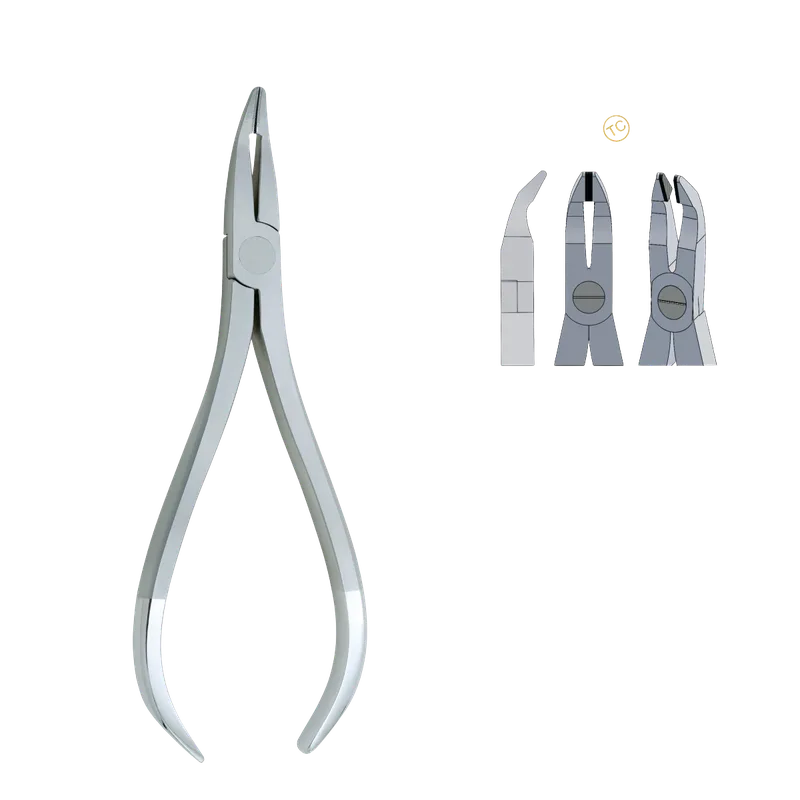
Weingart Orthodontic Pliers TC (0.71mm / .028 in Wire)
EI-0722
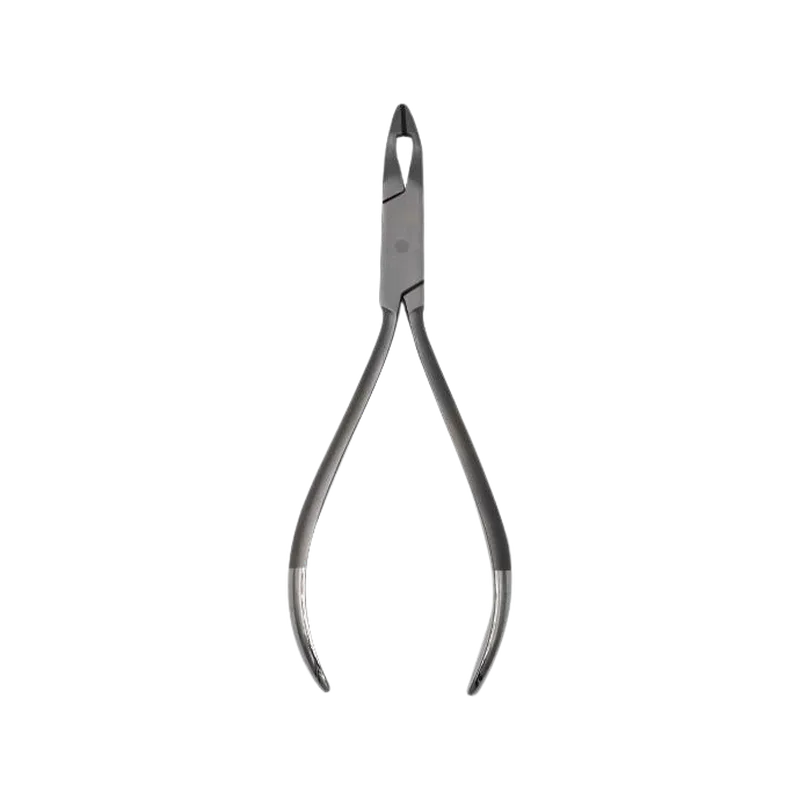
Long Weingart Pliers - Max 0.71mm (.028") Wire
EI-0723
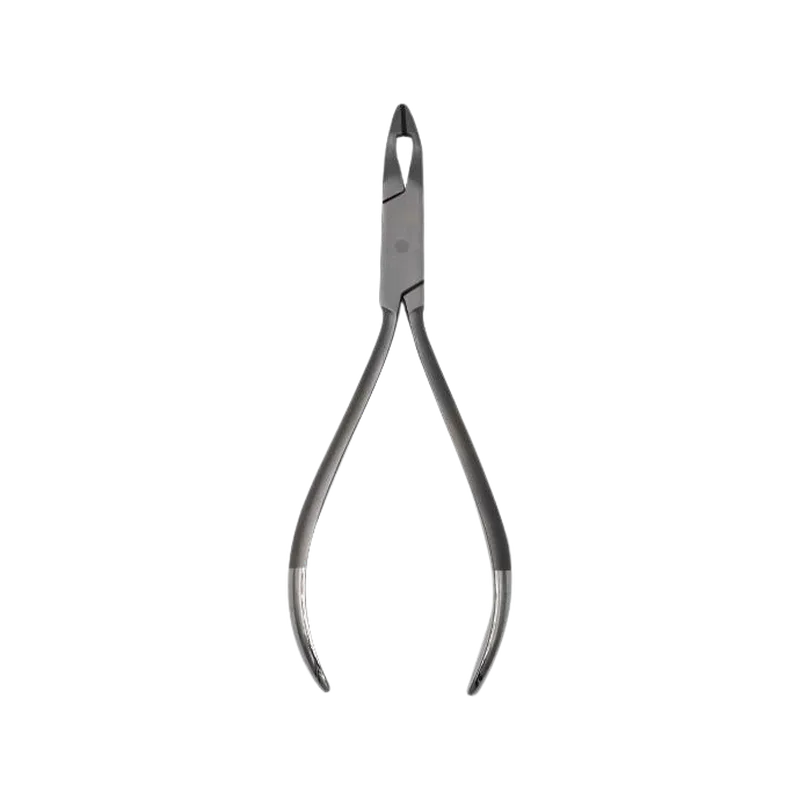
Long Weingart Pliers - Max 0.71mm (.028") Wire
EI-2587
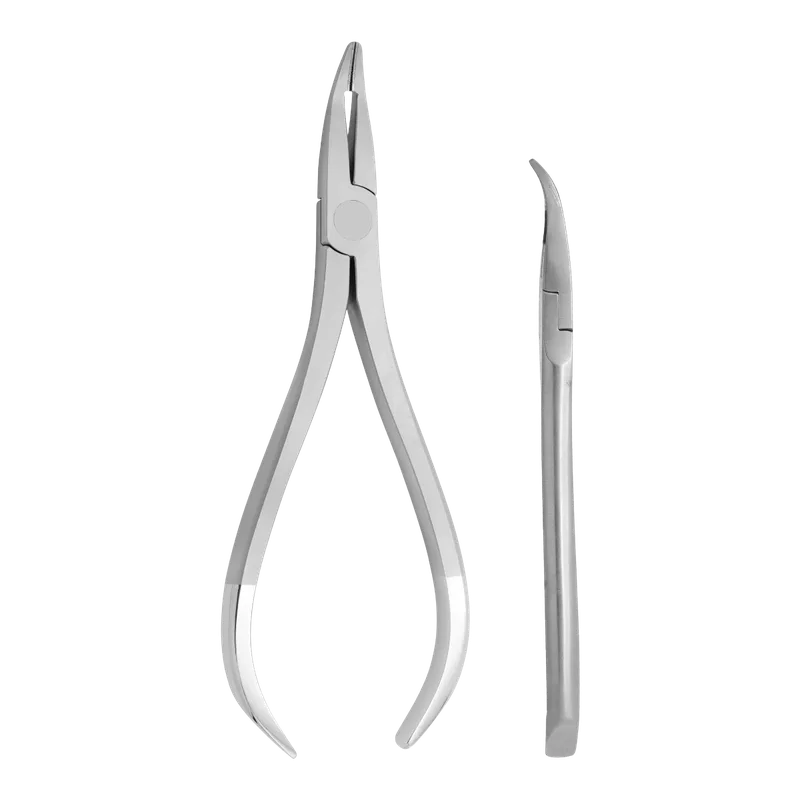
Long Weingart Pliers - Tungsten Carbide
EI-2588
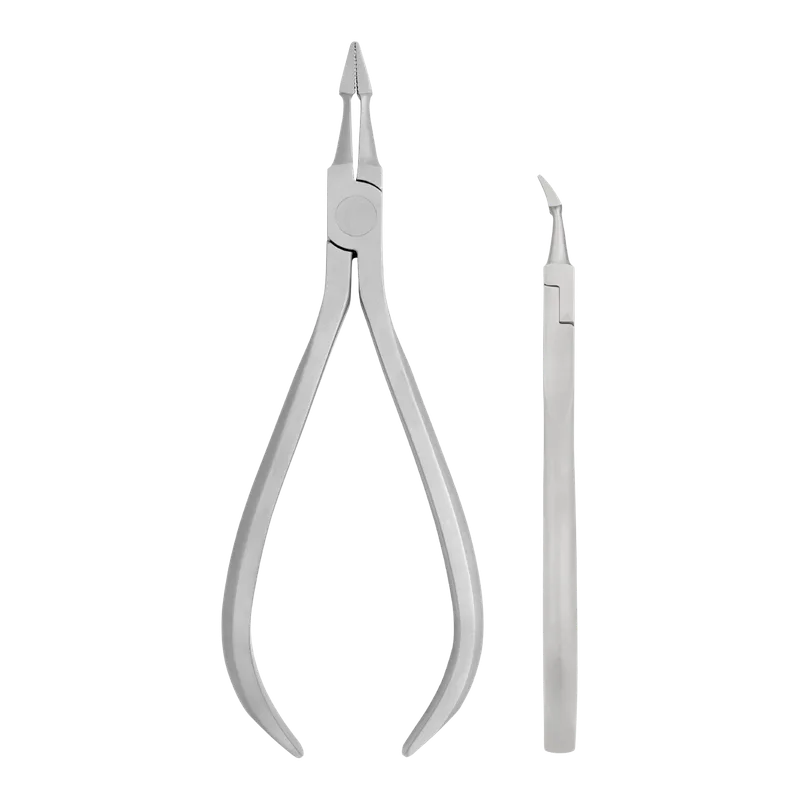
Slim Weingart Pliers
EI-2589
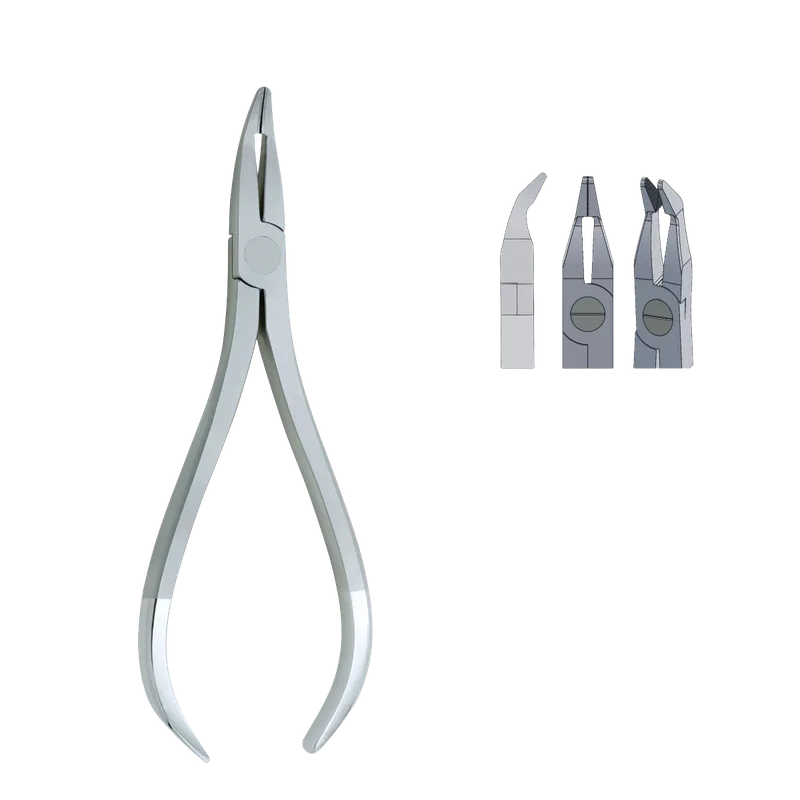
Weingart Pliers
EI-2590
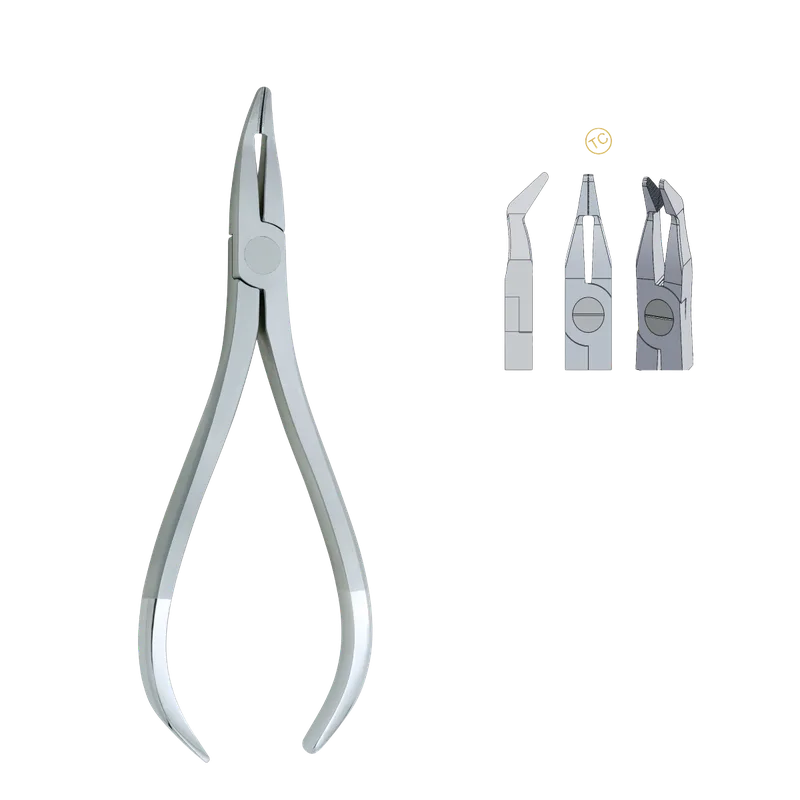
Slim Weingart Pliers - Tungsten Carbide
EI-2591
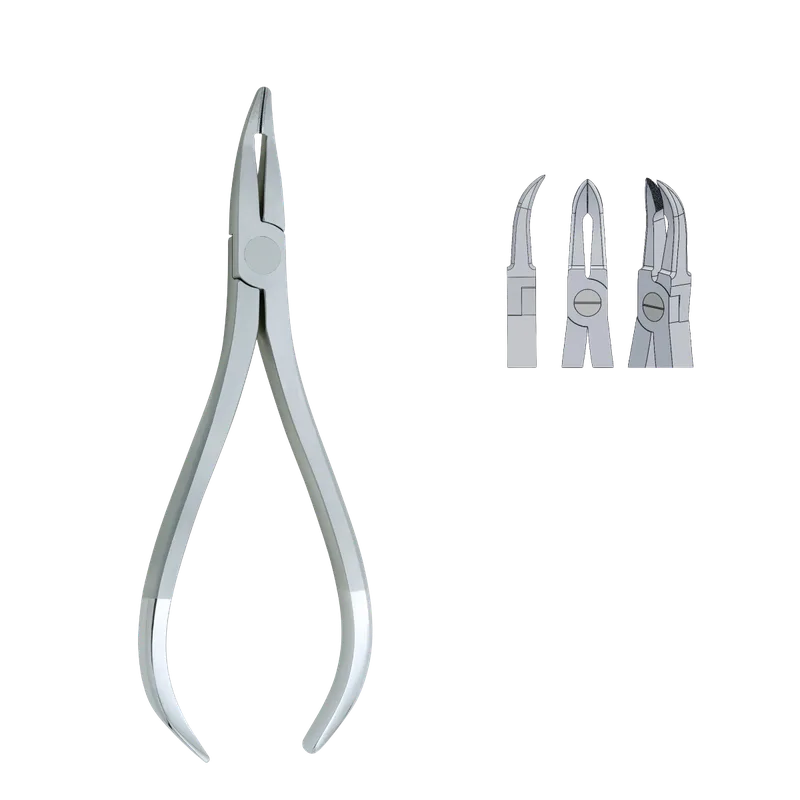
Narrow Weingart Pliers - 0.50 mm (.020 in) Wire
EI-2633
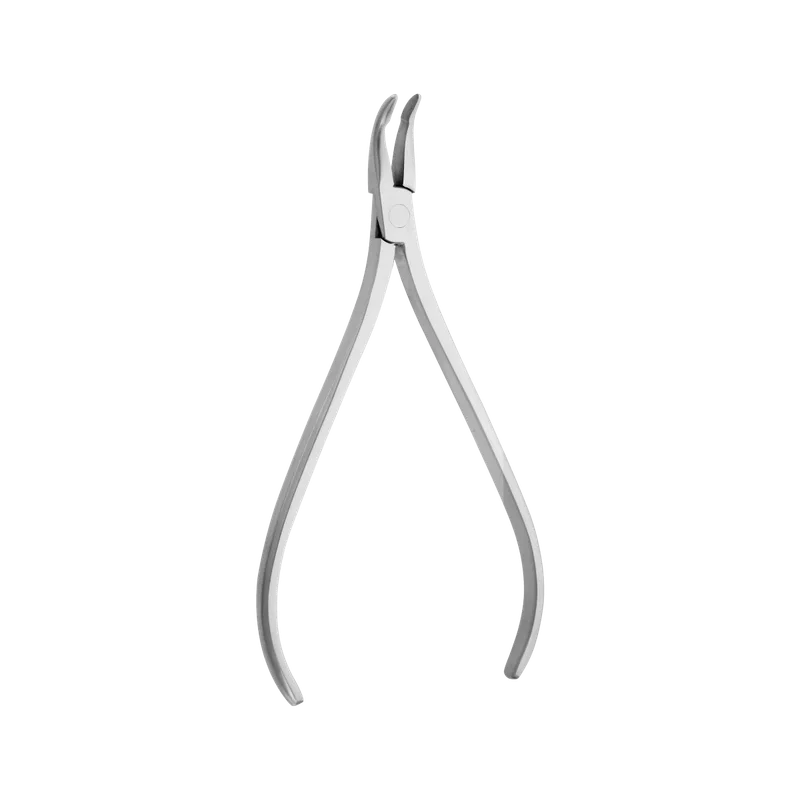
Weingart Plier Long Handle
EI-2653
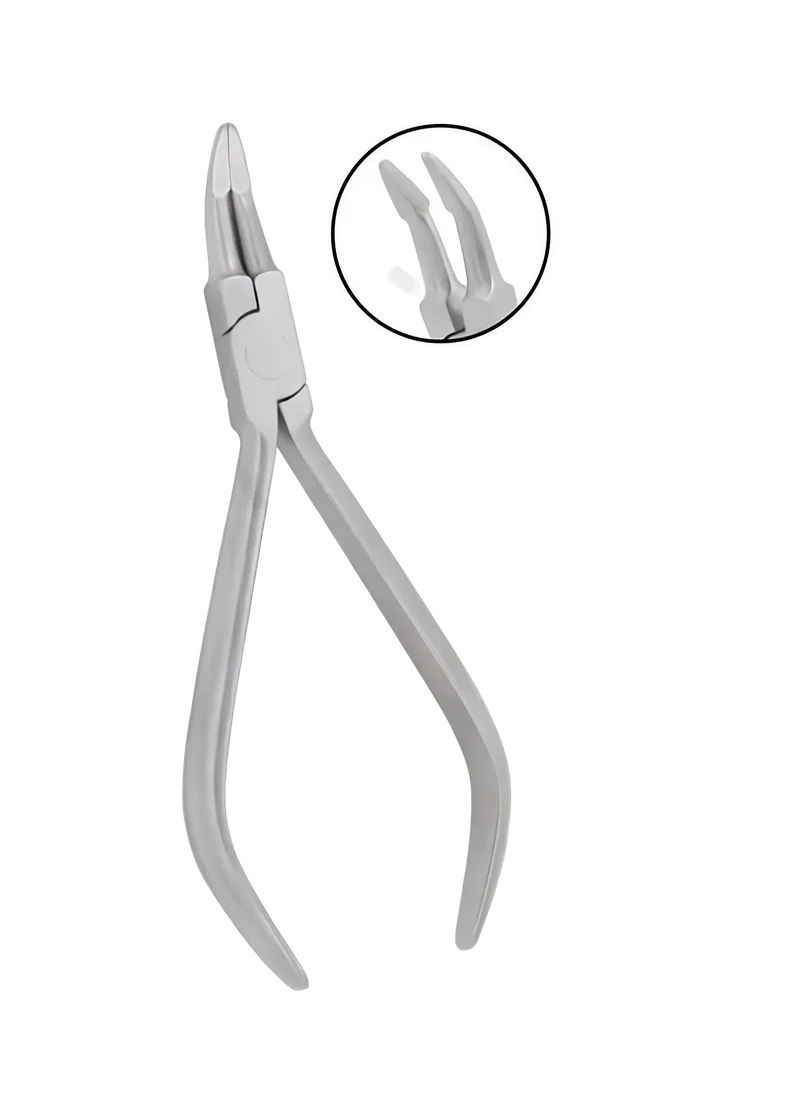
Slim Weingart Pliers 13 cm
EI-3175
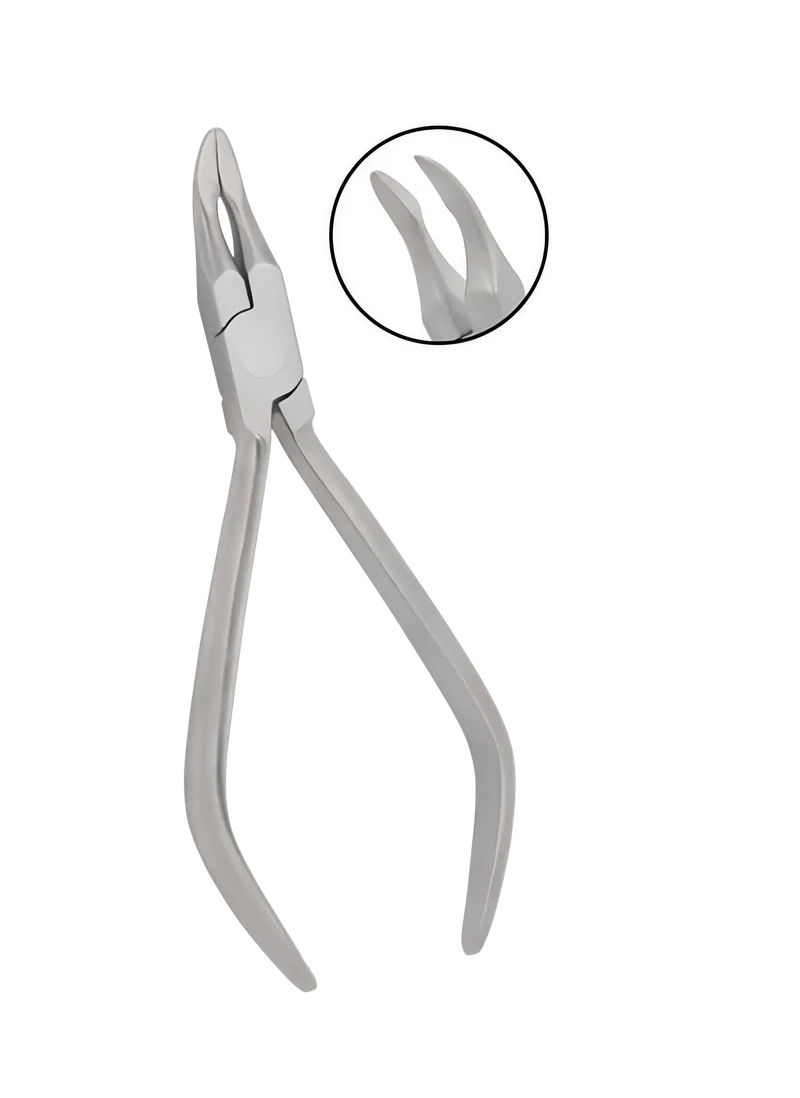
Slim Weingart Pliers 13 cm
EI-3176
Weingart Pliers 12.5 cm
EI-3177
Frequently asked questions
What is a Weingart plier used for in orthodontics?
It is used to hold, guide and insert archwires into brackets and molar tubes, to remove archwires, and to place auxiliaries and elastomeric modules. It is one of the most frequently used orthodontic pliers.
What is the difference between a Weingart and a Howe plier?
The Weingart has long, tapered, angled beaks with serrated tips for working close to brackets. The Howe has straight or curved beaks ending in round serrated pads, used more for general gripping and band work.
Is a mini Weingart worth having?
Yes, if you treat children, crowded arches or lingual appliances. Its slimmer tips reach between closely spaced brackets more easily than a standard Weingart.
Can I bend rectangular wire with a Weingart plier?
Small adjustments are fine, but heavy bends in rectangular stainless steel should be made with wire-forming pliers such as a Tweed or bird beak plier, to avoid spreading the Weingart's fine tips.
Why does the wire slip in my Weingart plier?
Worn serrations or tips that no longer close fully. Clean the serrations thoroughly and, if slipping continues, refurbish or replace the plier. Carbide-tipped versions resist this wear.
References
- In vitro comparison of peracetic acid and autoclave sterilization in the corrosion of orthodontic pliers: a pilot study — Dental Press Journal of Orthodontics
- The effect of routine steam autoclaving on orthodontic pliers — PubMed
- Classification and uses of orthodontic pliers — Dentaltix clinical blog (supplier reference, used for terminology only)
I am a…