Weingart vs Howe Plier
Written & reviewed by the Equate Technical Team · Updated
Verdict: the Weingart is the better everyday plier for inserting and removing archwires close to brackets, thanks to its long tapered, angled, serrated tips. The Howe, with round serrated pads, is better for general gripping, carrying wire and band work. Most orthodontic trays carry a Weingart as the main wire plier and a curved Howe as the utility backup.
Side-by-side comparison
| Factor | Weingart plier | Howe plier |
|---|---|---|
| Tips | Long, tapered, angled, finely serrated | Round serrated pads, straight or curved |
| Primary job | Archwire insertion/removal near brackets | Gripping, carrying, band seating |
| Posterior access | Excellent | Good with curved version |
| Grip on rectangular wire | Very secure along fine tips | Secure but bulkier |
| Risk of marking wire | Low | Very low (round pads) |
| Mini version | Yes (mini Weingart) | Small-pad versions |
| Typical use frequency | Almost every archwire change | Frequent, more general |
When to use a Weingart
Choose the Weingart when you need to work right next to a bracket: guiding a new archwire into each slot, threading it into a molar tube, pulling it out at removal, or placing modules and auxiliaries. The fine angled tips let you see what you are doing and grip the wire exactly where you need to. For crowded or small arches, the mini Weingart adds more precision.
Distributors and group practices standardising trays across several clinics often stock both: Weingarts as the per-chair essential and curved Howes as a shared utility instrument, which keeps purchasing simple while covering every task.
When to use a Howe
Choose the Howe for general handling: carrying an archwire to the mouth, holding it while the assistant cuts, seating or positioning bands, adjusting auxiliaries and handling small appliance parts. Its round pads grip firmly without nicking, so it is also popular for handling finished wires and retainers. The curved version reaches posteriorly with better visibility.
What clinicians say
In practitioner discussions, the most common pattern is that orthodontists use the Weingart as their go-to wire plier and keep the Howe for utility tasks, while some assistants prefer the Howe for its sturdier feel during band work. New residents are often advised to buy two Weingarts and one curved Howe so a Weingart is always available while the other is being sterilised.
Equate's recommendation
- Starter tray: 2 × Weingart (one standard, one mini or TC), 1 × curved Howe.
- High-volume practice: carbide-tipped Weingarts for longer-lasting grip.
- Removable-appliance lab: straight Howe for bench handling.
The Equate difference
Equate stocks 19 Weingart references and 43 utility plier references including straight and curved Howe styles with 2.4 mm and 4 mm pads, all at a typical list price about 52% below the median premium European RRP for orthodontic wire pliers.
Equate Weingart vs Howe Plier options
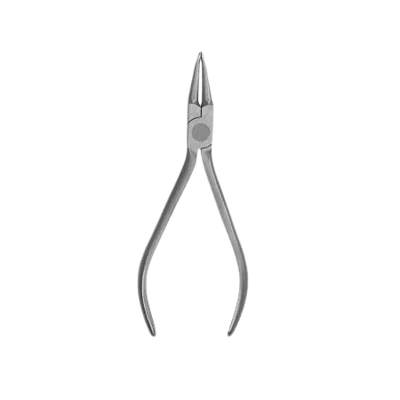
How Utility Plier 3.2mm Max 0.028 Inch Wire
EI-0679
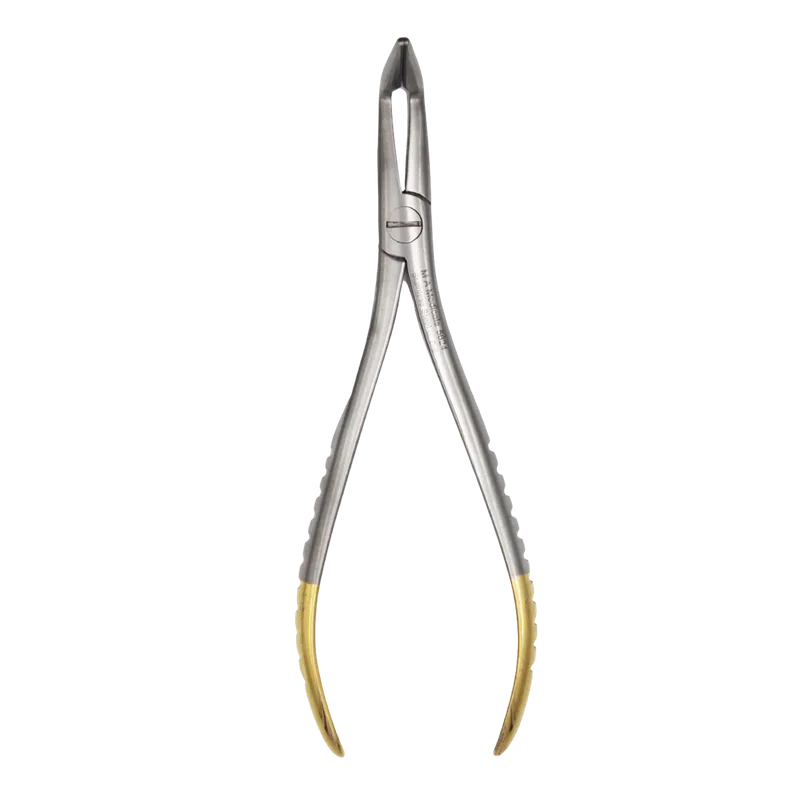
Universal Orthodontic Plier with Tungsten Carbide Tips
EI-0721
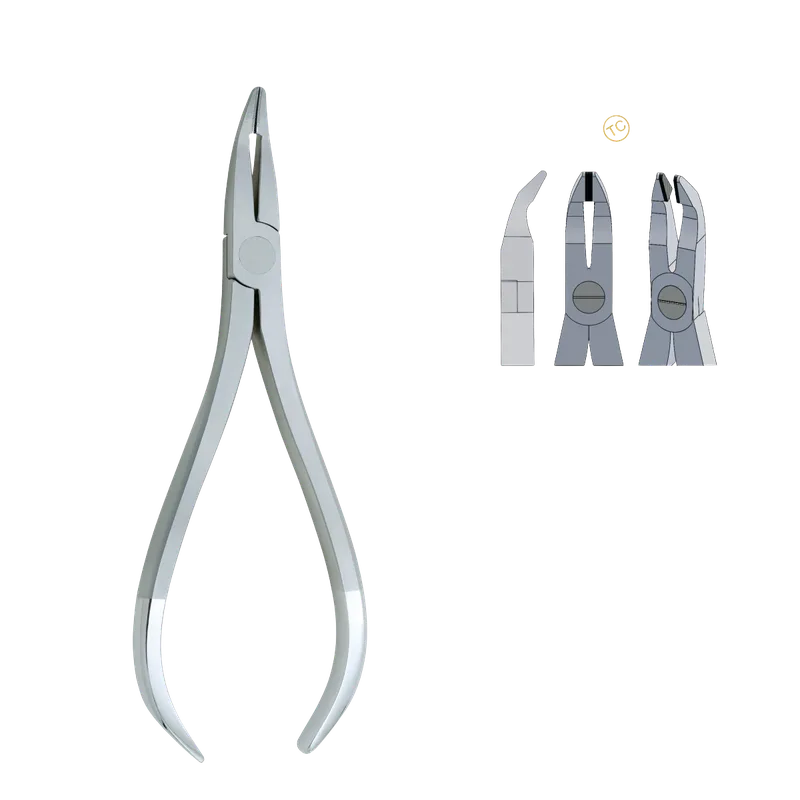
Weingart Orthodontic Pliers TC (0.71mm / .028 in Wire)
EI-0722
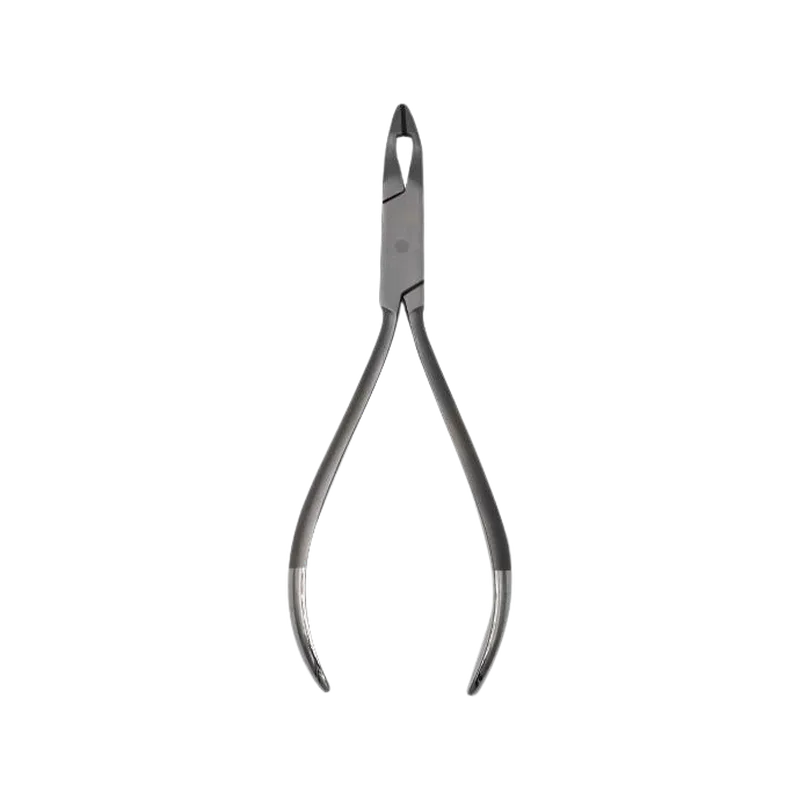
Long Weingart Pliers - Max 0.71mm (.028") Wire
EI-0723
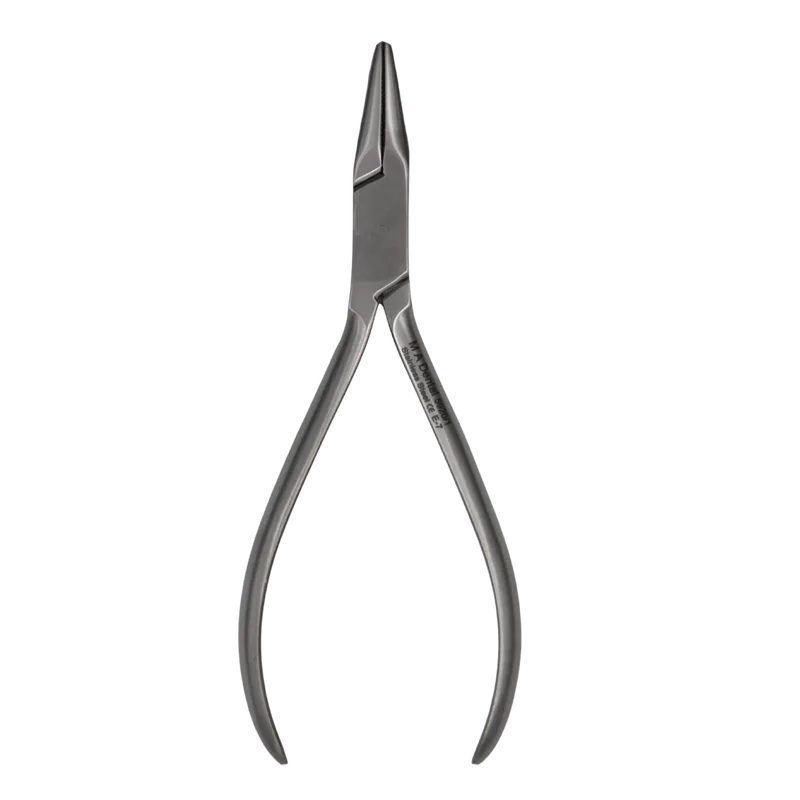
Flat Nose Orthodontic Plier - 20 mm Beak
EI-0805
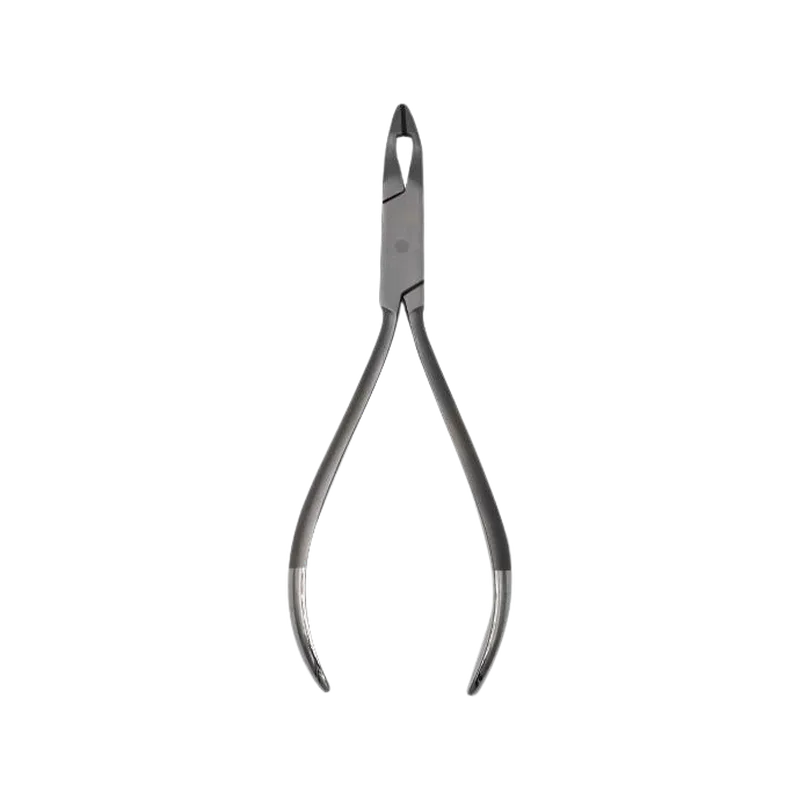
Long Weingart Pliers - Max 0.71mm (.028") Wire
EI-2587
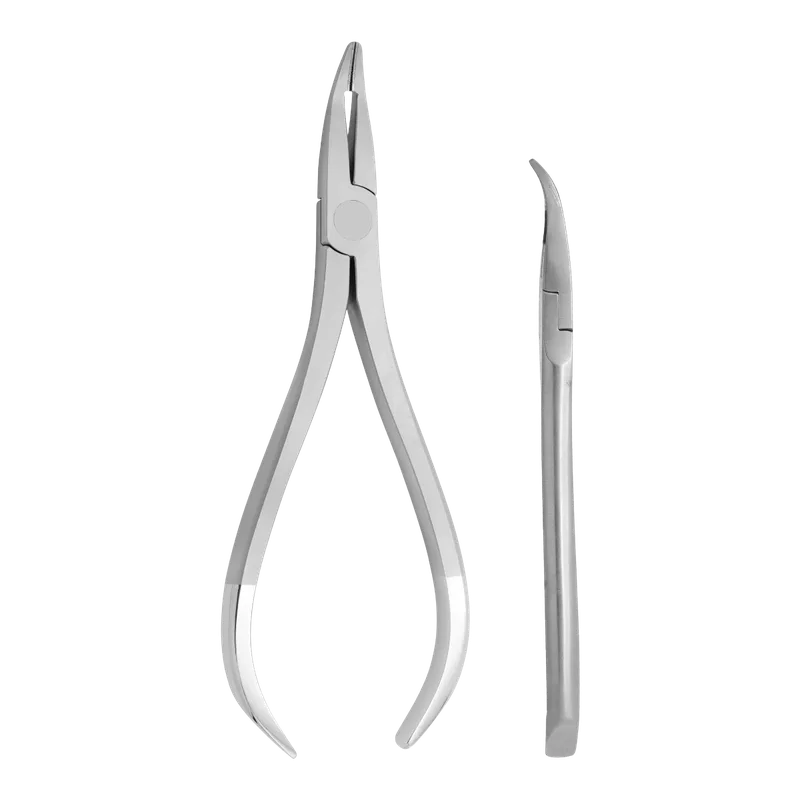
Long Weingart Pliers - Tungsten Carbide
EI-2588
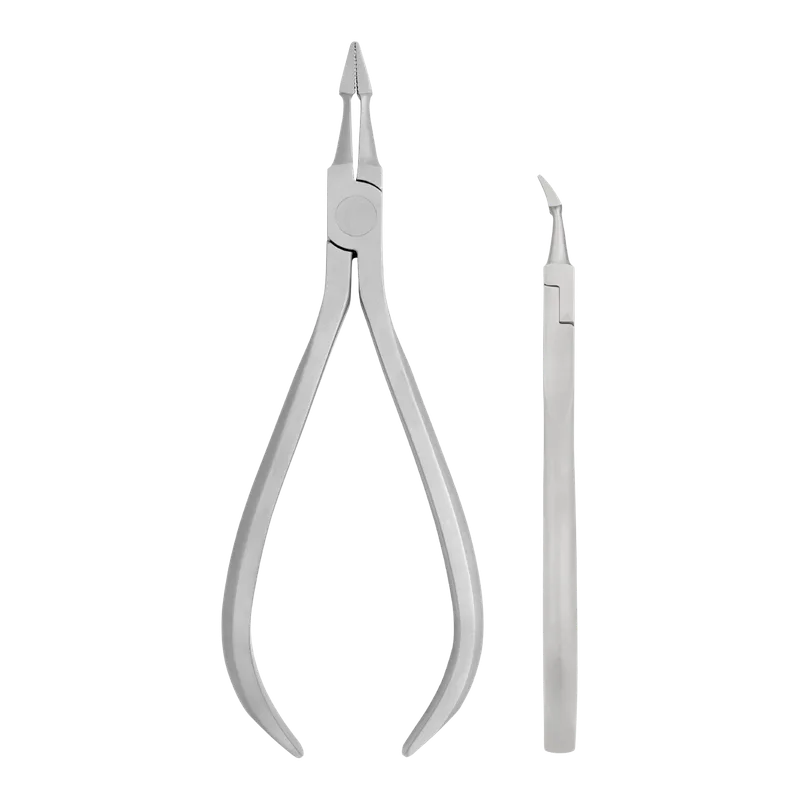
Slim Weingart Pliers
EI-2589
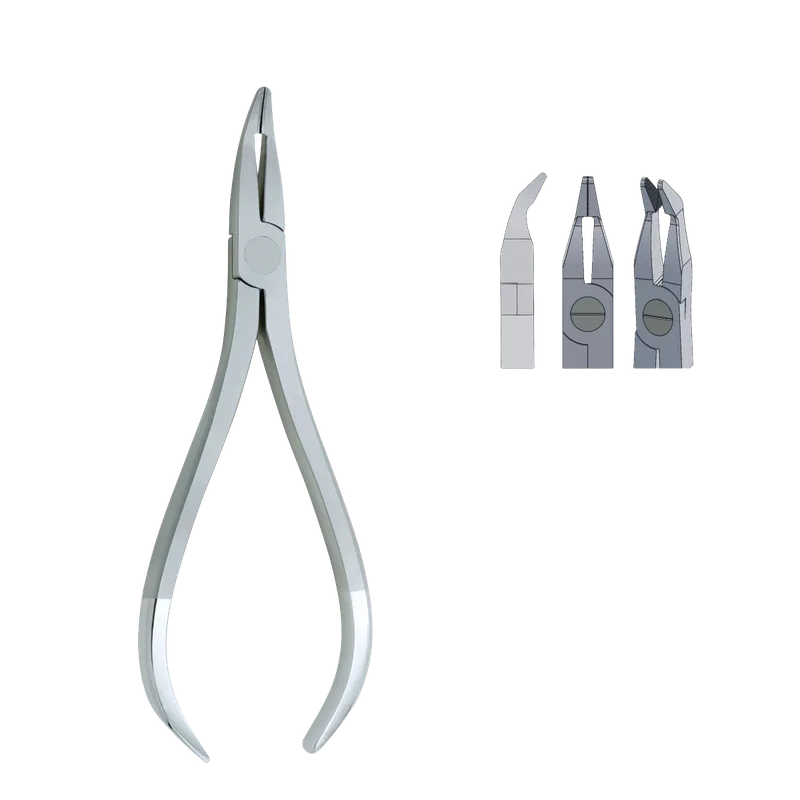
Weingart Pliers
EI-2590
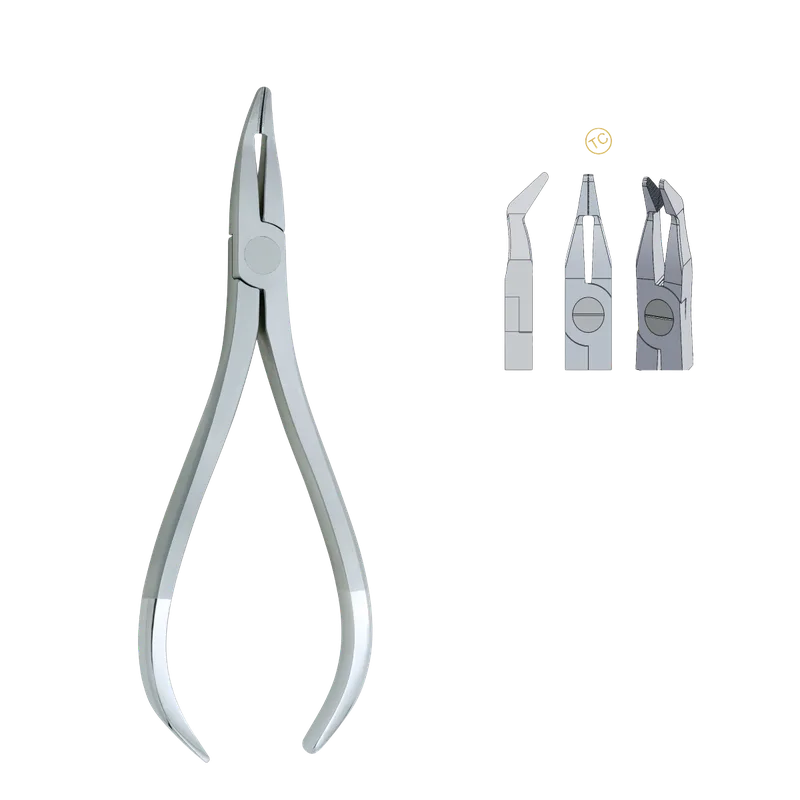
Slim Weingart Pliers - Tungsten Carbide
EI-2591
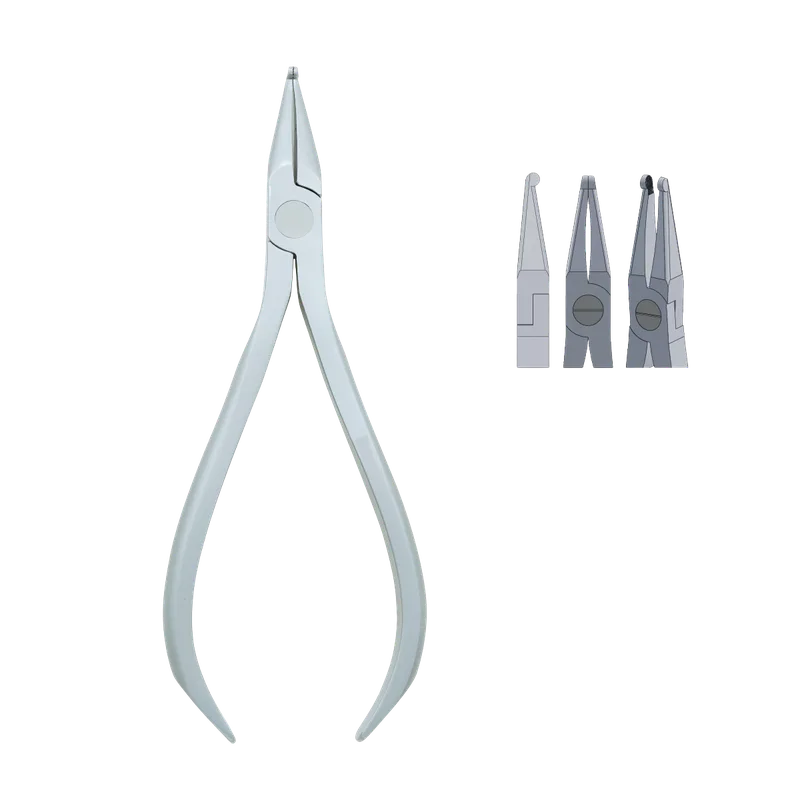
Straight Utility Plier Howe Style 4mm - Max 0.71mm (.028") Wire
EI-2596
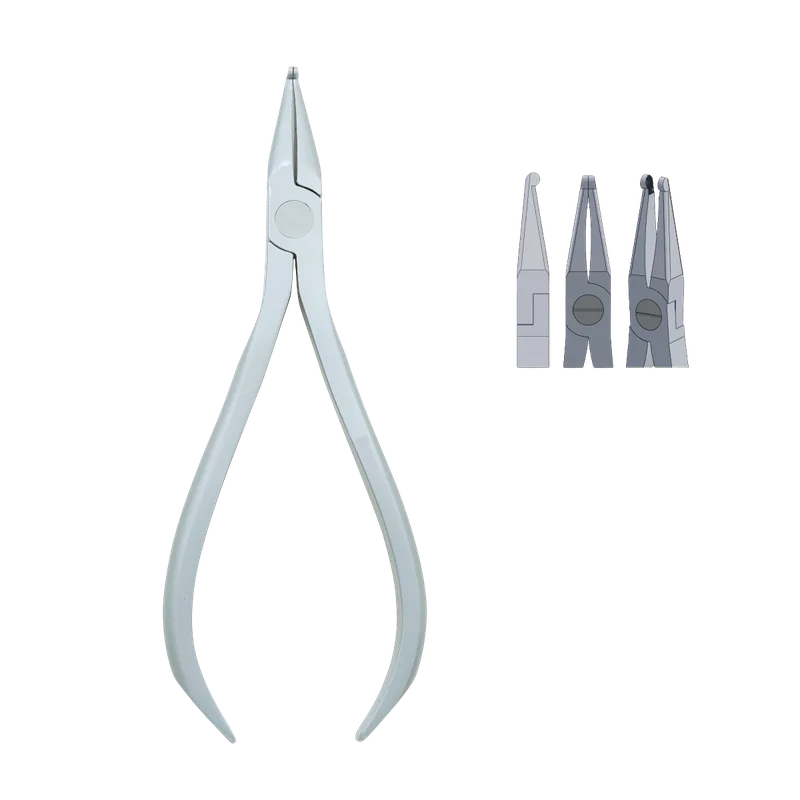
Straight Utility Plier Howe Style 2.4mm - Max 0.50mm (.020") Wire
EI-2597
Frequently asked questions
Can a Weingart replace a Howe plier?
For most archwire work, yes. The Howe is still handy for band seating and general gripping, where its round pads are sturdier and less likely to mark wire.
Which is better for beginners, Weingart or Howe?
The Weingart, because it is used at nearly every archwire change. Add a curved Howe as your second utility plier.
Is the Howe plier the same as a utility plier?
The Howe is the classic orthodontic utility plier. Catalogues often group Howe-style pliers under 'utility pliers'.
Do I need a mini Weingart?
It helps with small mouths, crowded arches and lingual appliances. It is a useful second Weingart rather than a replacement.
Should I use either to remove brackets?
No. Use a dedicated debonding plier; general pliers concentrate force in a way that can damage enamel or brackets.
References
- In vitro comparison of peracetic acid and autoclave sterilization in the corrosion of orthodontic pliers: a pilot study — Dental Press Journal of Orthodontics
- The effect of routine steam autoclaving on orthodontic pliers — PubMed
- Classification and uses of orthodontic pliers — Dentaltix clinical blog (supplier reference, used for terminology only)
I am a…