Bracket Positioning Gauge
Written & reviewed by the Equate Technical Team · Updated
A bracket positioning gauge is a calibrated orthodontic instrument that sets the vertical height of a bracket on the tooth crown, measured from the incisal edge or cusp tip to the bracket slot. A seat that fits the archwire slot holds the bracket at a stamped reference height, such as 3.5, 4.0, 4.5 or 5.0 mm, while it is bonded.
What the gauge actually controls
Vertical bracket position decides where the archwire sits relative to the crown, which affects finishing, marginal ridge levels and incisor display. A gauge turns a visual estimate into a stamped reference: the clinician seats the gauge's slot-engaging part on the bracket slot, rests the measuring end on the incisal edge or cusp tip, and bonds the bracket at that height.
Different tooth types normally take different heights, which is why many gauges carry several arms or settings. The Equate four-arm gauge is stamped 3.5, 4.0, 4.5 and 5.0 mm so one instrument can be rotated to the arm that matches the tooth and the prescription in use. Heights are chosen according to the bracket system and the clinician's protocol, not by the gauge.
Types of gauge
| Type | How it sets height | Strength | Consideration |
|---|---|---|---|
| Fixed-arm height gauge | Stamped arms of set heights | Fast, simple, reproducible | Fixed heights only, slot size specific |
| Aluminium template, double-ended | Stamped slot on each end for .018 or .022 slot | Light weight, direct seat on slot | Slot size must match the bracket |
| Boone star-type | Star of arms with set heights and slot-engaging tip | Precise vertical control | Handling skill |
| Fully adjustable gauge | Sliding or locking scale with a lead point | Any height in the range | Needs setting and checking each time |
| Positive bracket positioner | Seat and holder for bracket during bonding | Holds bracket stably | Less direct height reference |
What studies say about accuracy
A published evaluation of vertical bracket placement with the Boone gauge found statistically significant differences between the achieved heights and the 4 mm target on incisors, and concluded that placement errors with the gauge were not related to operator experience. A later study of a prototype star-type gauge reported mean placement heights of about 3.996 mm, 3.995 mm and 4.039 mm in the experienced groups, with no significant difference from the 4 mm target, though the undergraduate group had significantly greater variance.
An in vitro study comparing gauge designs found a star-like positioning gauge more precise for vertical placement, while a pole-like gauge allowed better control of angulation. These are in vitro or small comparative studies, so the findings show the gauge improves consistency but do not eliminate operator-related error. Play between the slot-engaging part and the slot, and gauge-to-slot size mismatch, remain real sources of variation.
Choosing a gauge
- Match the slot: .018 and .022 inch slots need the correct seat, or the gauge will rock.
- Match your height protocol: fixed-arm gauges suit a standard set of heights; adjustable models suit varied prescriptions.
- Pick material by use: aluminium is light and kind to the hand; stainless steel resists wear and repeated autoclaving.
- Look for crisply stamped, legible heights and slot seats without burrs.
- Check that arms are straight and not bent by a drop, since a bend shifts every reading.
Using it well
Dry the crown and place the bracket on the gauge, bring it to the tooth with the gauge's reference edge on the incisal edge or cusp tip, check angulation by eye along the long axis, and cure only after confirming that the gauge is square to the tooth. Using the gauge as a check after free-hand placement is also common. Clean off adhesive flash before the next case so the slot seat stays true.
Equate gauges are passivated, ultrasonically cleaned and supplied non-sterile, reusable and latex free. Cleaning and autoclaving fit the same routine as other bonding instruments, and the bracket holding tweezer and debonding setup pages cover related bench steps.
The Equate difference
Equate lists 7 bracket positioning gauges plus 4 height gauges, including a four-arm gauge stamped 3.5, 4.0, 4.5 and 5.0 mm, Boone star-type gauges, and aluminium and stainless steel versions for .018 and .022 inch slots.
Equate Bracket Positioning Gauge options
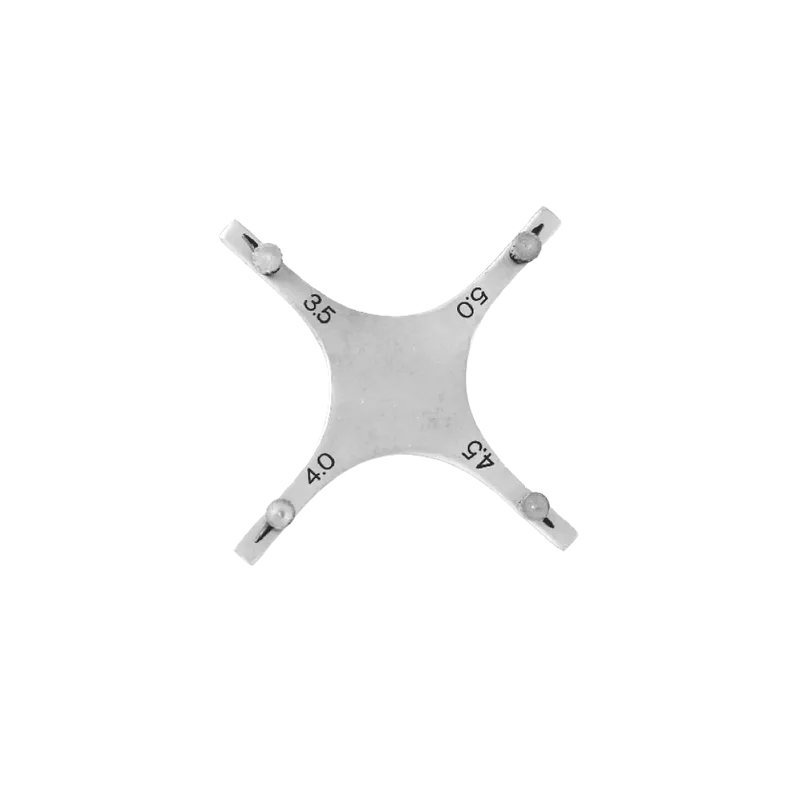
Orthodontic Bracket Height Gauge with 3.5, 4.0, 4.5 and 5.0 mm Arms
EI-0682
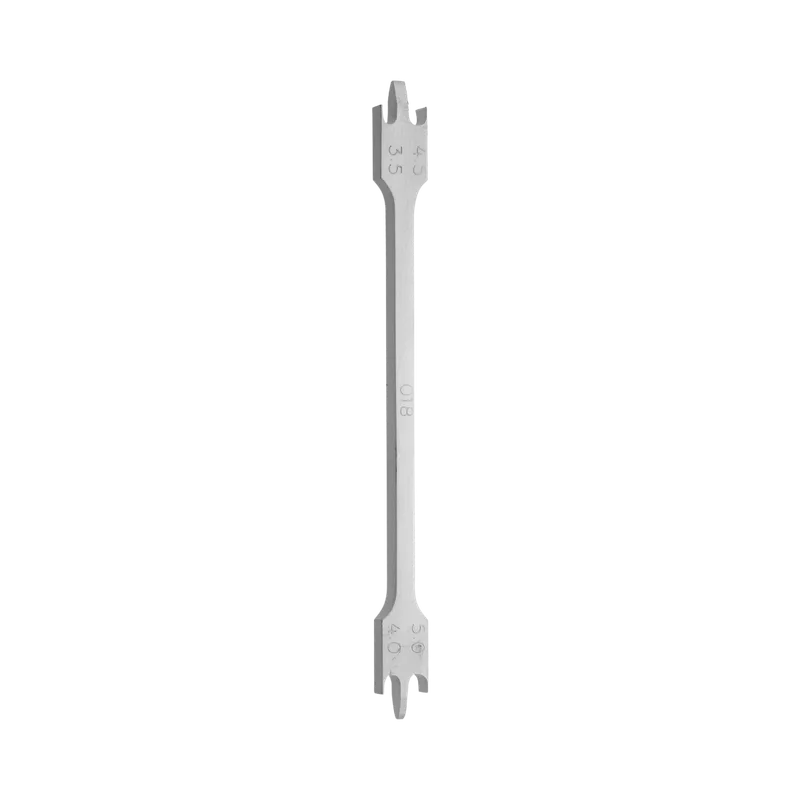
Bracket Positioning Gauge for 0.018" Slot
EI-2558
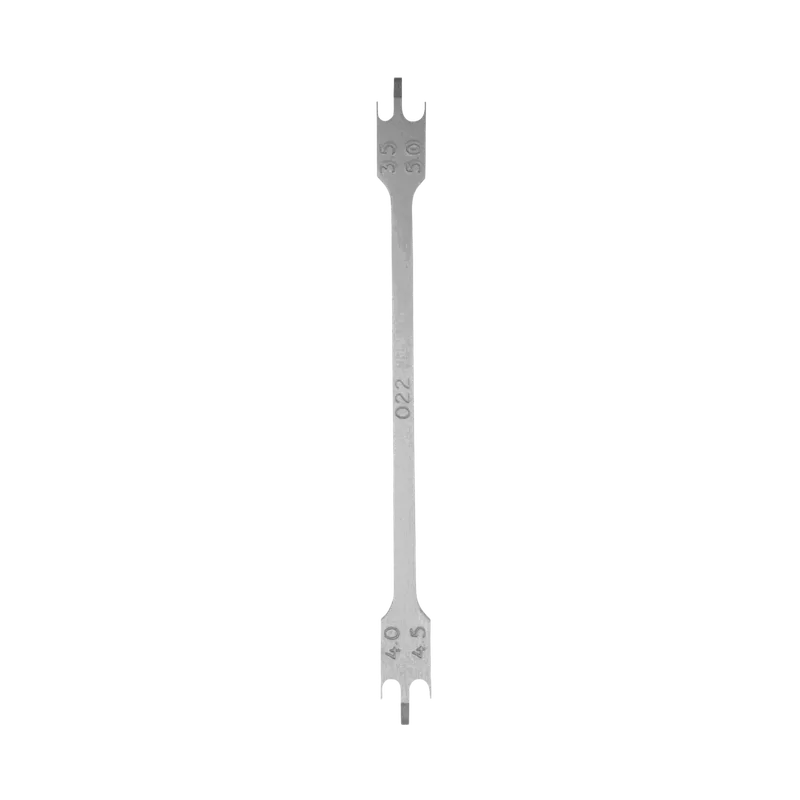
Bracket Positioning Gauge for 0.022" Slot
EI-2559
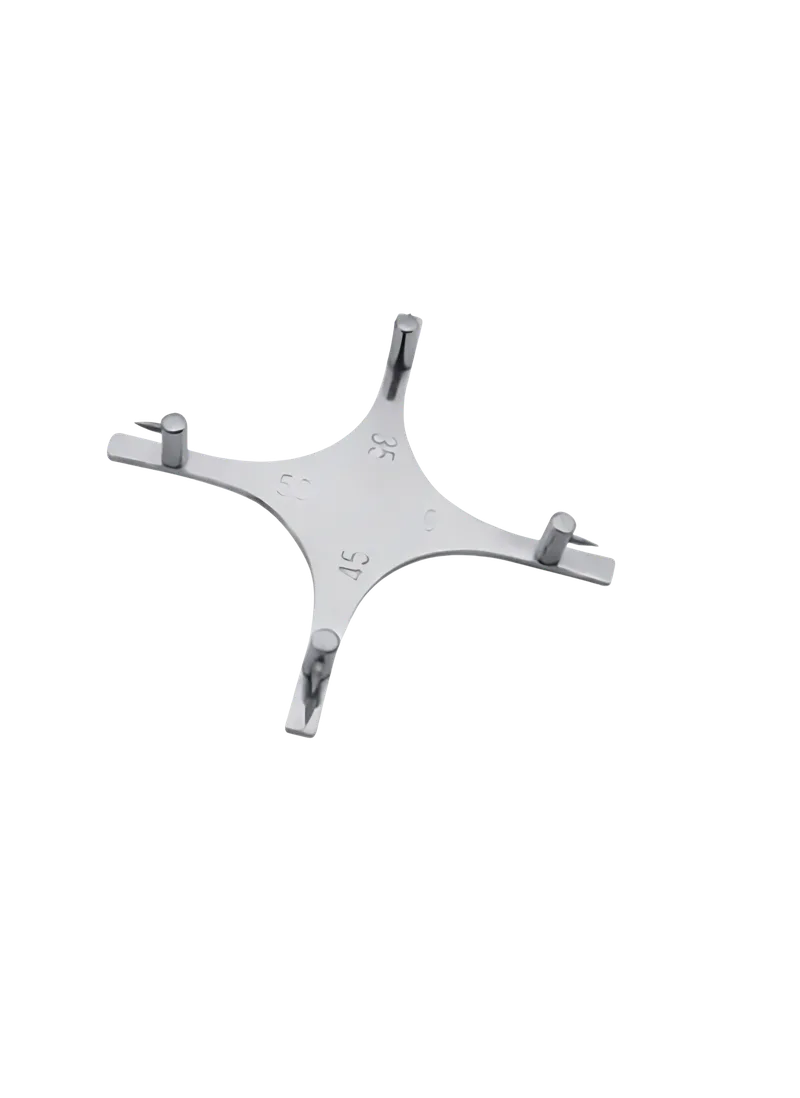
Boone Bracket Positioning Gauge, Star Type
EI-3304
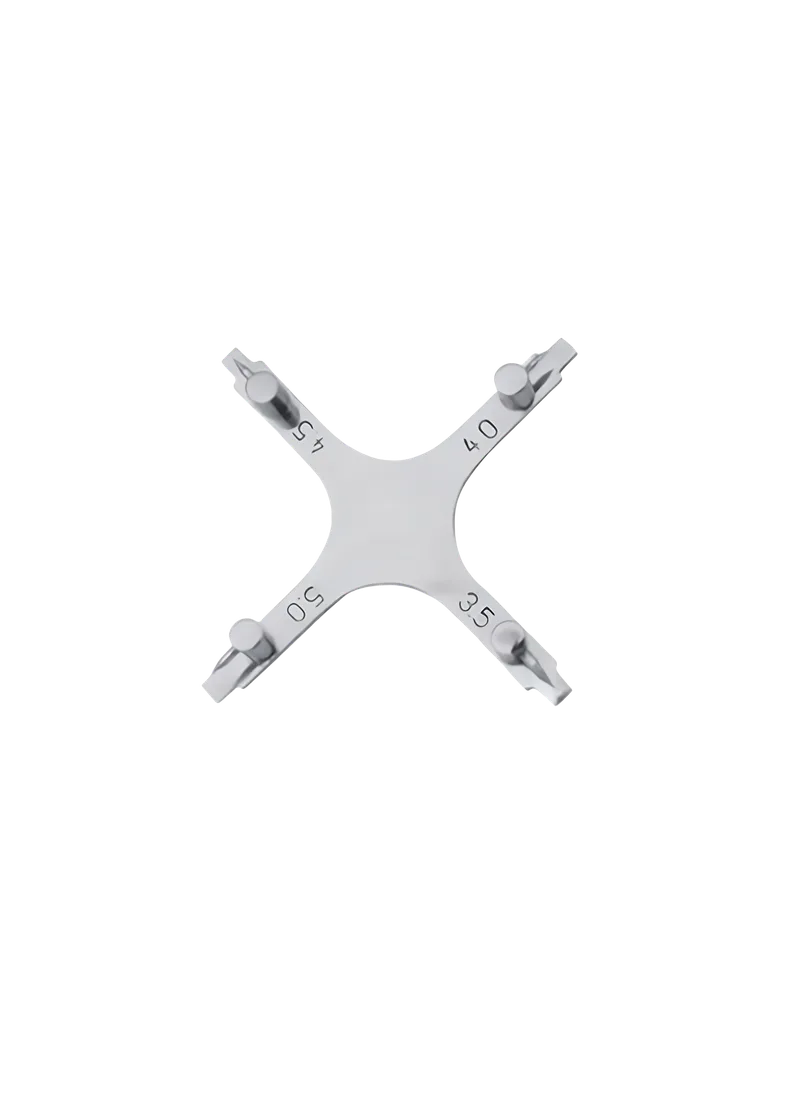
Boone Bracket Positioning Gauge Star Type, Improved Model
EI-3305
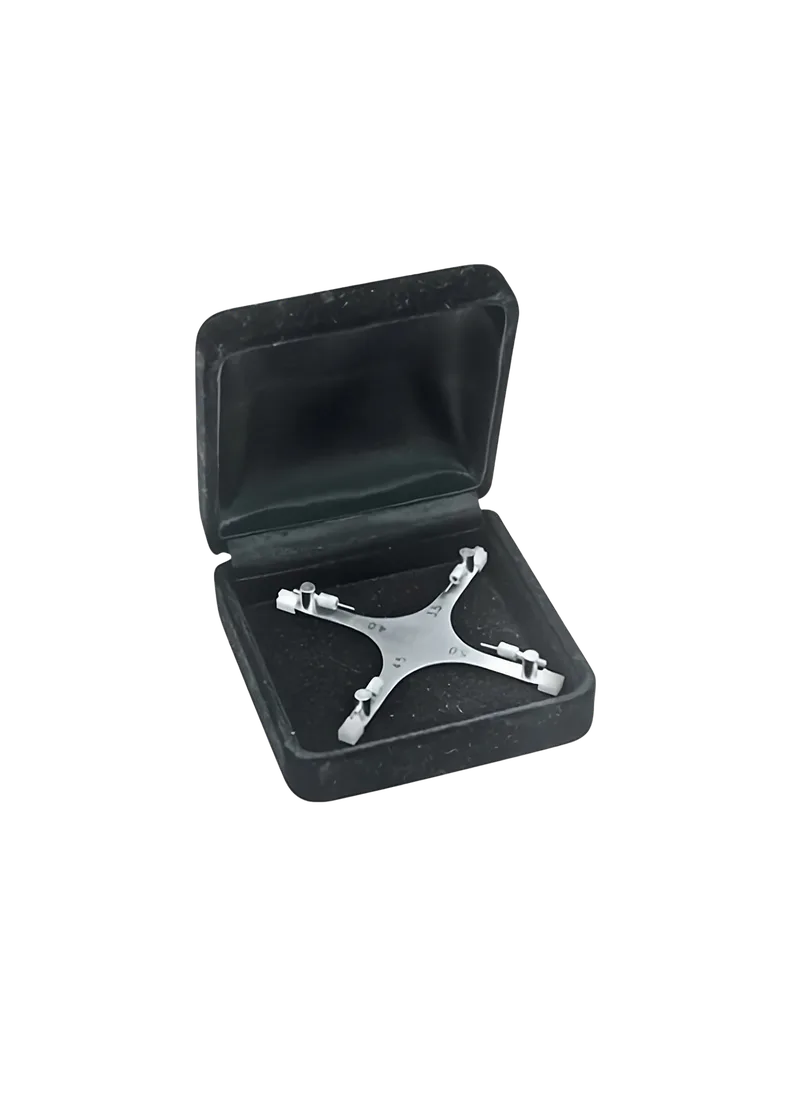
Boone Bracket Positioning Gauge, Fully Adjustable with Lead Point
EI-3306
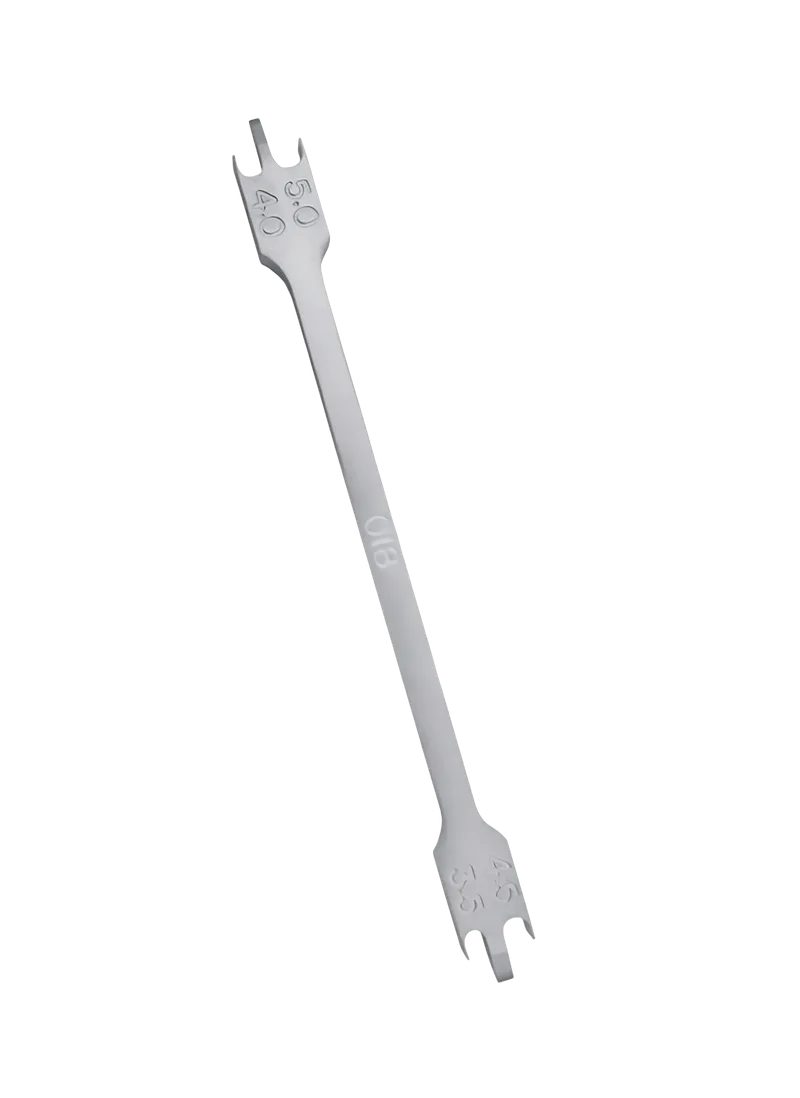
Aluminium Bracket Height Gauge for .018 inch Slots
EI-3307
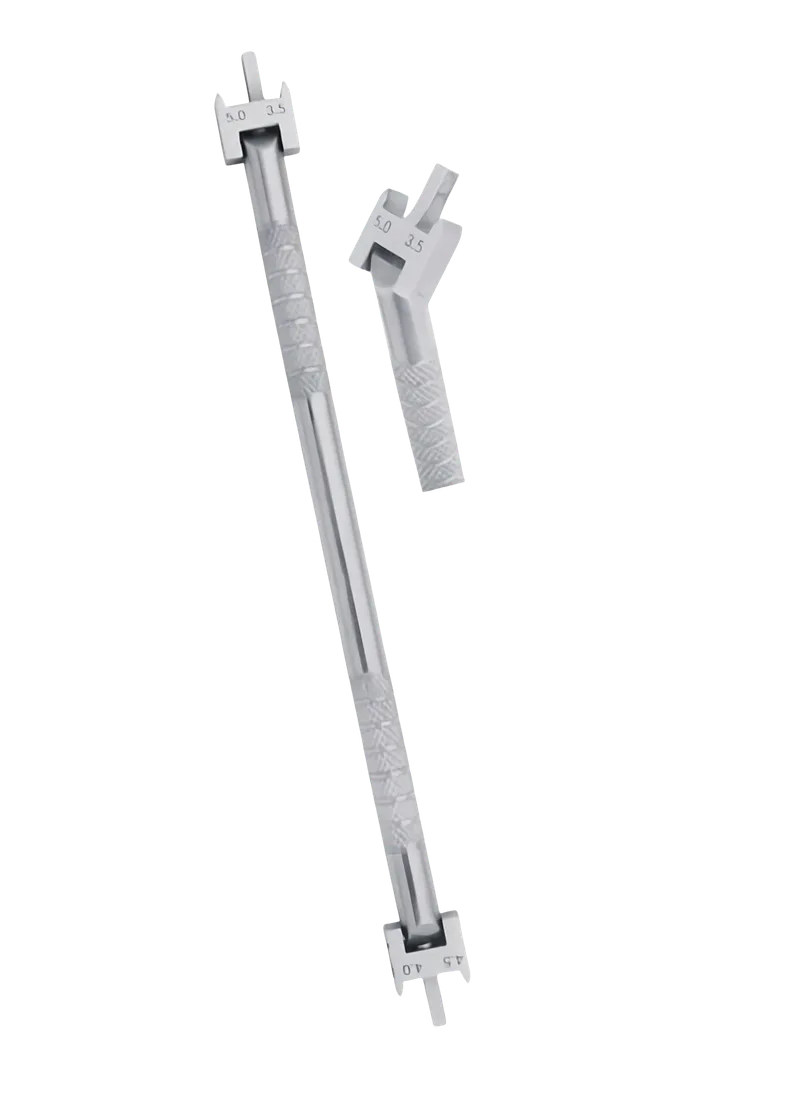
Stainless Steel Height Gauge, Fully Adjustable
EI-3308
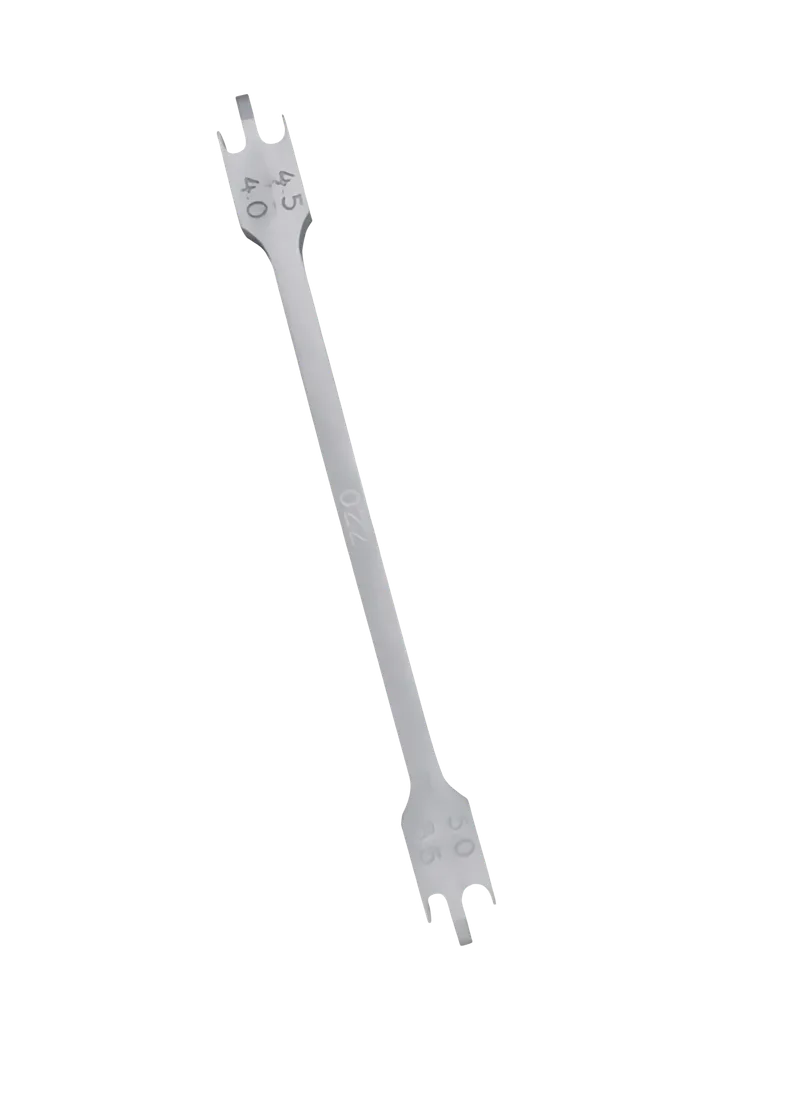
Aluminium Bracket Height Gauge for .022 inch Slots
EI-3309
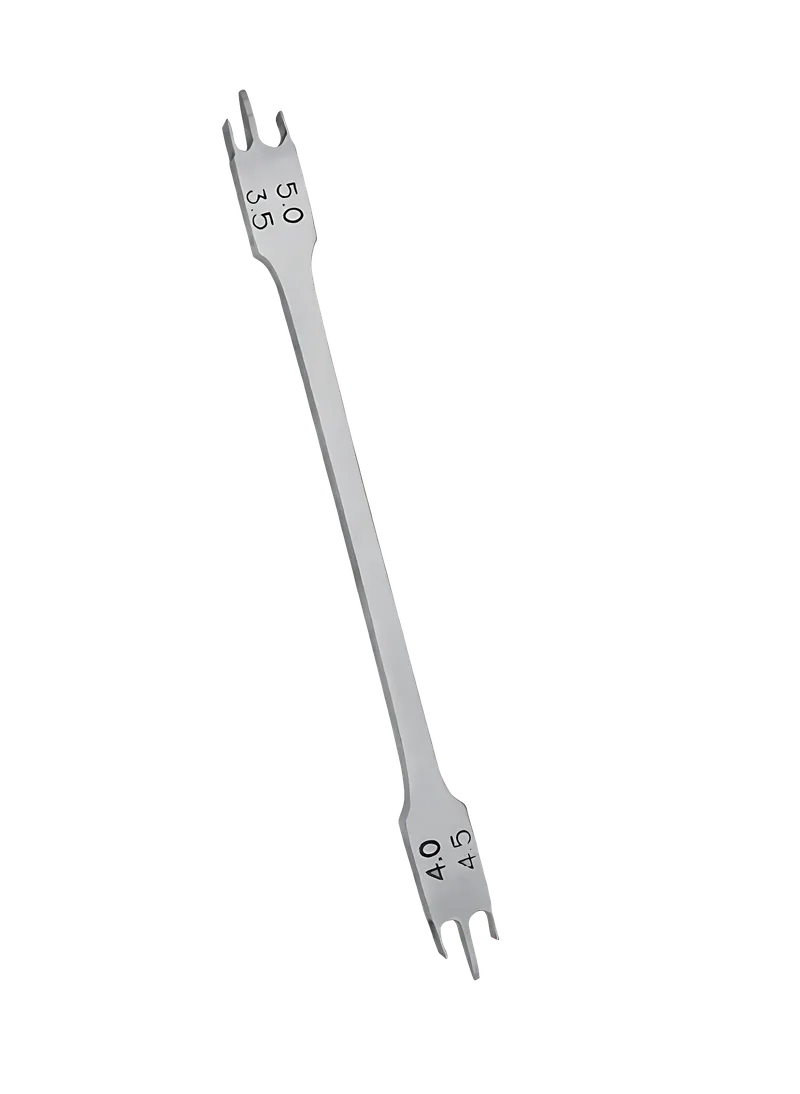
Stainless Steel Bracket Height Gauge for .018 and .022 inch Slots
EI-3310
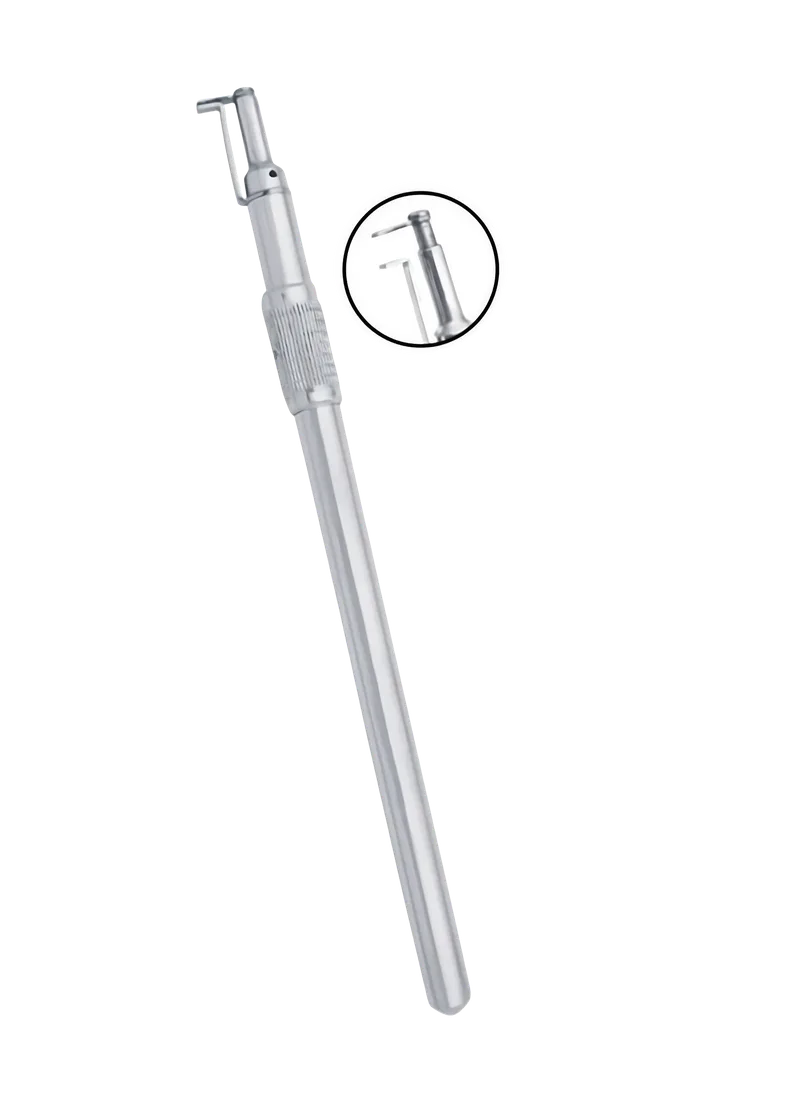
Positive Bracket Positioner, Aluminium
EI-3312
Frequently asked questions
What is a bracket positioning gauge used for?
It sets the vertical height of an orthodontic bracket from the incisal edge or cusp tip, so brackets are bonded at consistent reference heights during direct or indirect bonding.
What bracket heights do gauges give?
Common stamped heights are 3.5, 4.0, 4.5 and 5.0 mm, as on the four-arm Equate gauge. The correct height depends on tooth type, bracket system and the clinician's protocol.
What is a Boone gauge?
A Boone gauge is a bracket positioning gauge, often star-type, with arms at set heights and a tip that engages the bracket slot to control vertical placement.
Is bracket gauge placement accurate?
Studies show gauges improve consistency but placement still differs from the target in some groups. One Boone gauge study found significant incisor differences from 4 mm regardless of experience.
Do I need different gauges for .018 and .022 slots?
The slot-engaging part must fit the bracket slot, so gauges are made for .018 or .022 inch slots, and some stainless steel models cover both.
Aluminium or stainless steel gauge?
Aluminium is lighter and comfortable for repeated use; stainless steel is more wear resistant. Both are reusable and can be cleaned and autoclaved if supplied for that purpose.
References
I am a…