Band Pusher
Written & reviewed by the Equate Technical Team · Updated
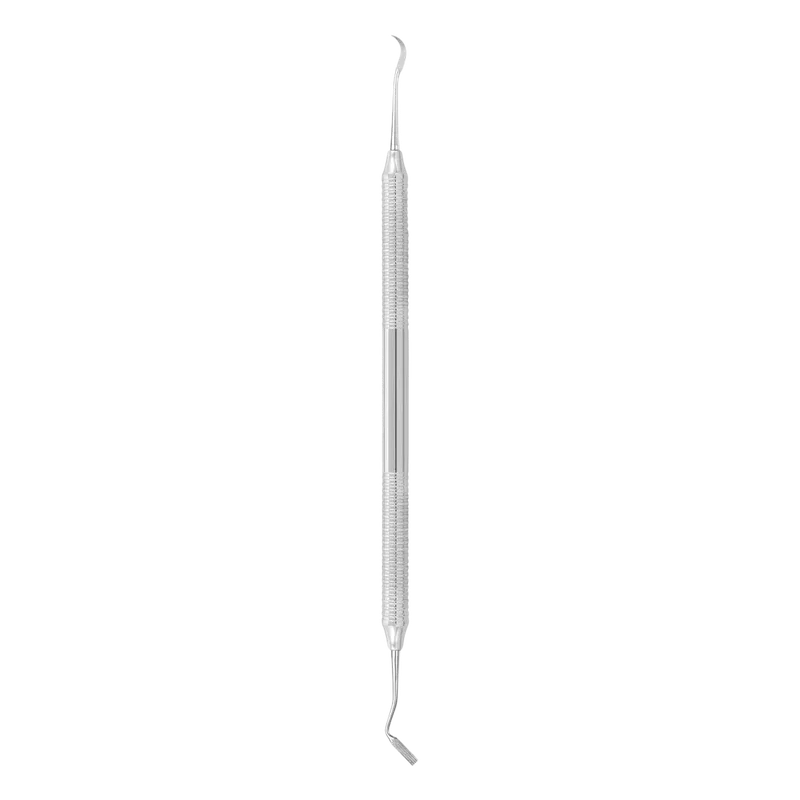
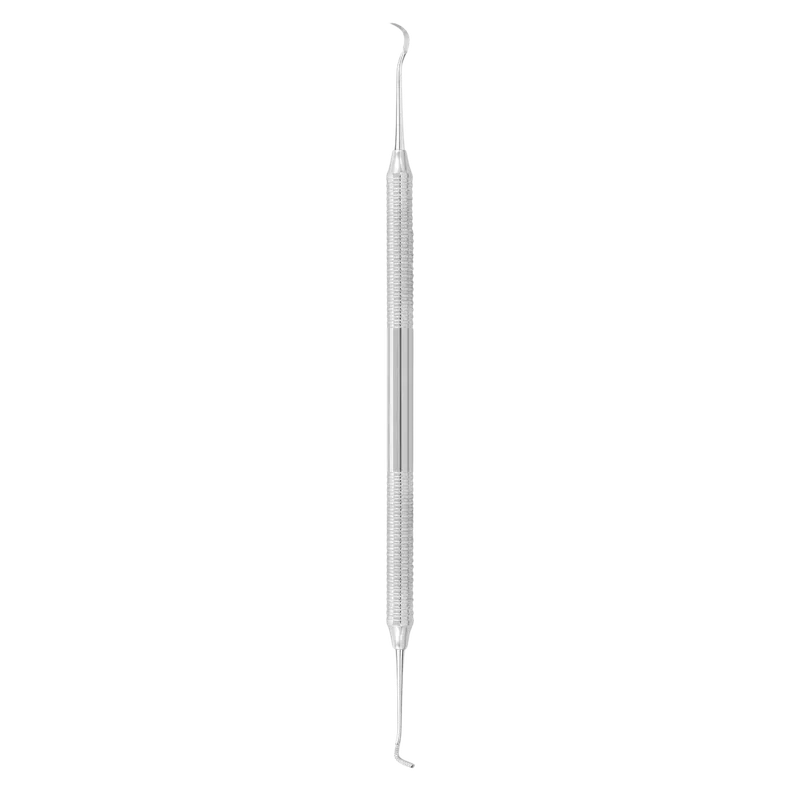
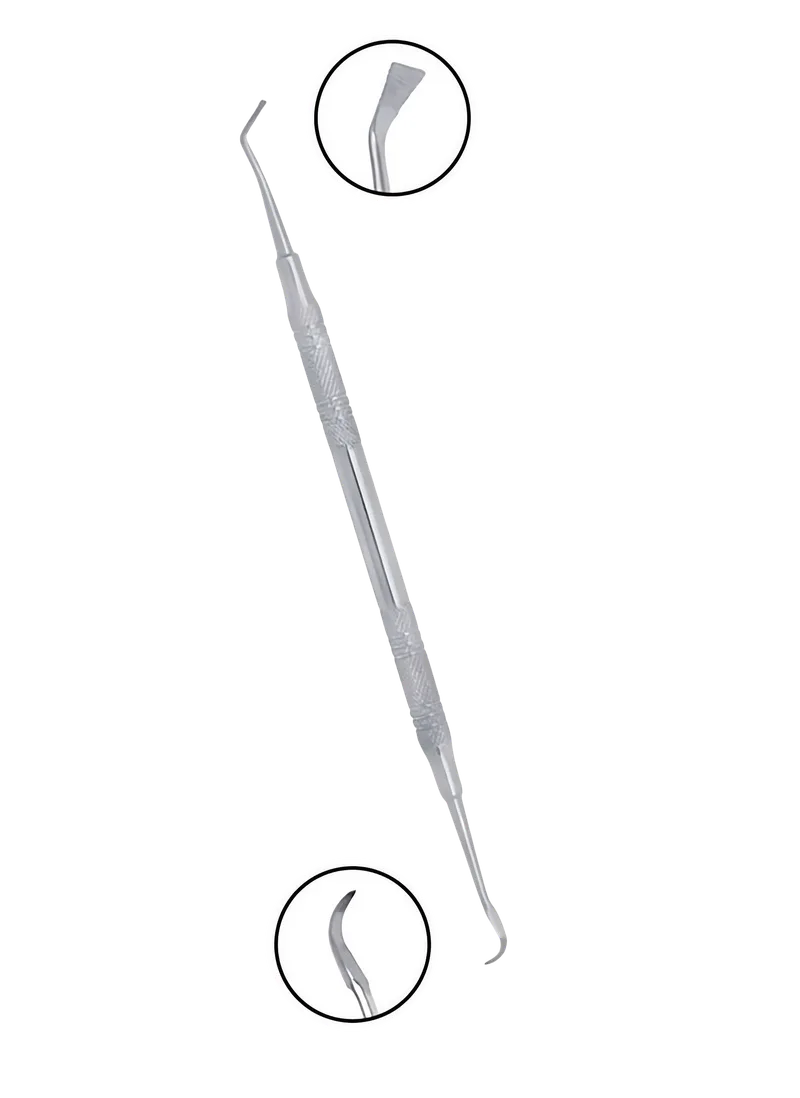
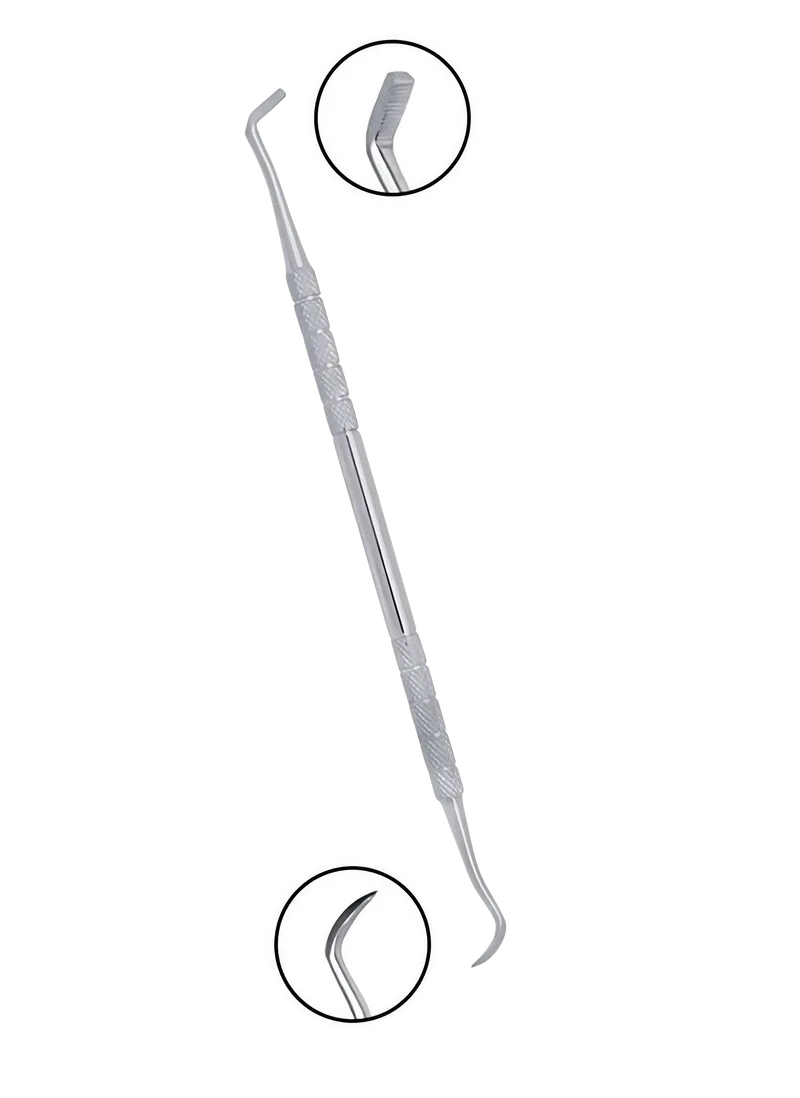
A band pusher is a single-ended or double-ended orthodontic hand instrument with a small serrated working tip, used to seat molar and premolar bands onto the tooth. The tip engages the occlusal edge or a seating lug of the band so the clinician can push it apically, often alongside a bite stick, before cementation.
Where the band pusher fits in a banding appointment
Banding is a two-visit sequence. At the first visit, elastomeric or wire separators are placed to open the contact points; teaching material from the University of Toronto and the California Association of Orthodontists describes the second visit as the one where the band is tried, seated and cemented. The band is selected from a graded kit, usually starting with a size that looks slightly small, and is pressed on with finger pressure first.
The band pusher is used when finger pressure is no longer enough. The serrated tip is placed on the occlusal edge of the band (or a seating lug where one is present) and pushes the band apically, often in combination with a bite stick on which the patient bites. Toronto's instructional material advises using the pusher on the mesial and distal surfaces rather than the buccal or lingual, and notes that the aim is a properly seated band rather than one forced as far down as it will go. A correctly sized band should seat below the marginal ridges, sit parallel to the occlusal plane and finish at the gingival margin without entering the sulcus.
Tip design and what it does
Teaching sources note that the serrations keep the tip from slipping off the band edge. A worn, smooth tip skids, which wastes time and can scratch the band or soft tissue. The working end is therefore the part to inspect first when you assess a band pusher.
Many designs add a scaler-style point or blade at the opposite end, which is why catalogues often list the same instrument as a band pusher scaler. The scaler end is commonly used to clean excess cement from the band margin before it sets.
Equate band pusher range
| Subcategory | Equate references | Examples from the range | Notes |
|---|---|---|---|
| Band pusher scalers | 10 | Mershon band pusher 14 cm; band pusher mini scaler with 6 mm solid handle; Schure band seater and scaler (solid knurled or hollow stainless handle) | Stainless steel, passivated, ultrasonically cleaned |
| Hand-held band pushers | 1 | Nickel titanium high-heat ICE band pusher | Forked scaler-style tip, knurled handle |
| Band pushers and seaters | 1 | Positive positioner | Right-angle head with set screw, knurled shaft |
Choosing a band pusher
- Handle: solid handles resist rolling and give weight; hollow handles are lighter for long sessions. Knurling helps with a gloved grip.
- Length: the 14 cm Mershon pattern is a common general-purpose size; the 6 mm mini scaler suits tighter posterior access.
- Tip: look for crisp, even serrations and a tip centred on the shaft so force goes where you aim it.
- Material: stainless steel is standard. Equate also lists a nickel titanium version for clinicians who prefer that alloy at the working point.
- Sterilisation: all Equate band pushers are reusable, supplied non-sterile and individually packed for autoclave processing in the clinic.
Care and replacement
Brush cement from the serrations before ultrasonic cleaning, because dried glass ionomer packs into fine tips. Dry thoroughly before autoclaving. Replace or refurbish the pusher when the serrations are visibly rounded or the tip no longer sits square on the band edge. Keeping a spare in each banding cassette avoids interrupting the sequence when cement is already mixed.
The Equate difference
Equate lists 12 band pusher references across three subcategories, including 10 band pusher scalers such as the 14 cm Mershon, Schure band seater and scaler versions with solid knurled or hollow stainless handles, and a nickel titanium ICE band pusher.
Equate Band Pusher options
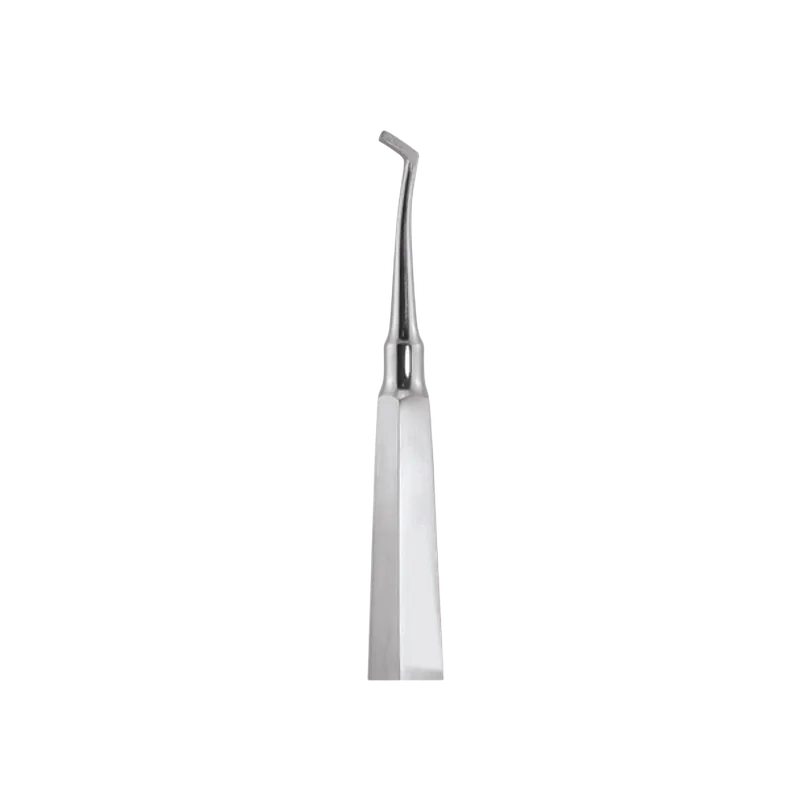
Mershon Band Pusher 14 cm
EI-0701
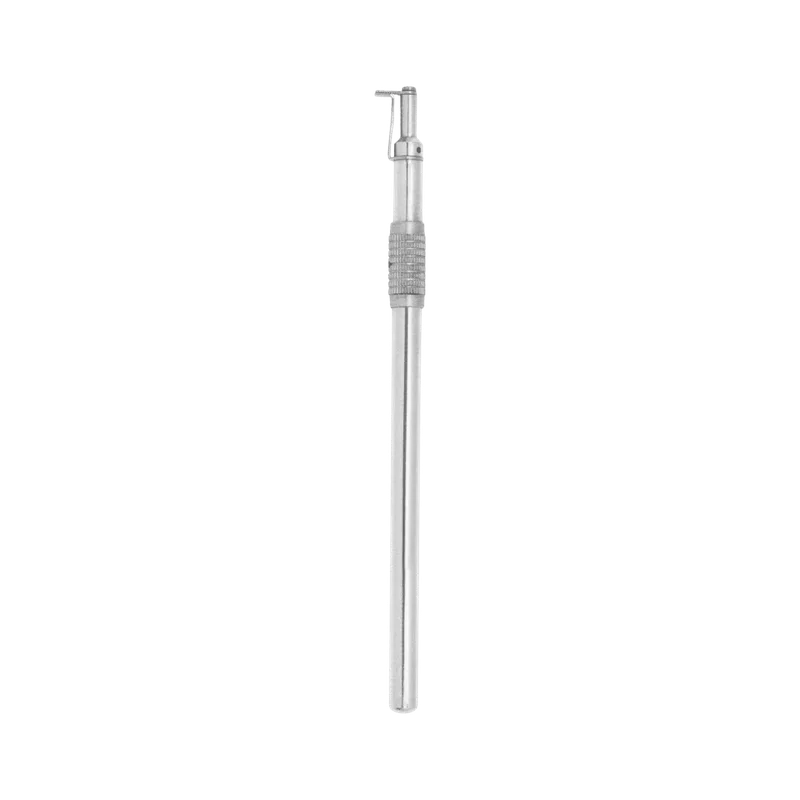
Positive Positioner
EI-2565
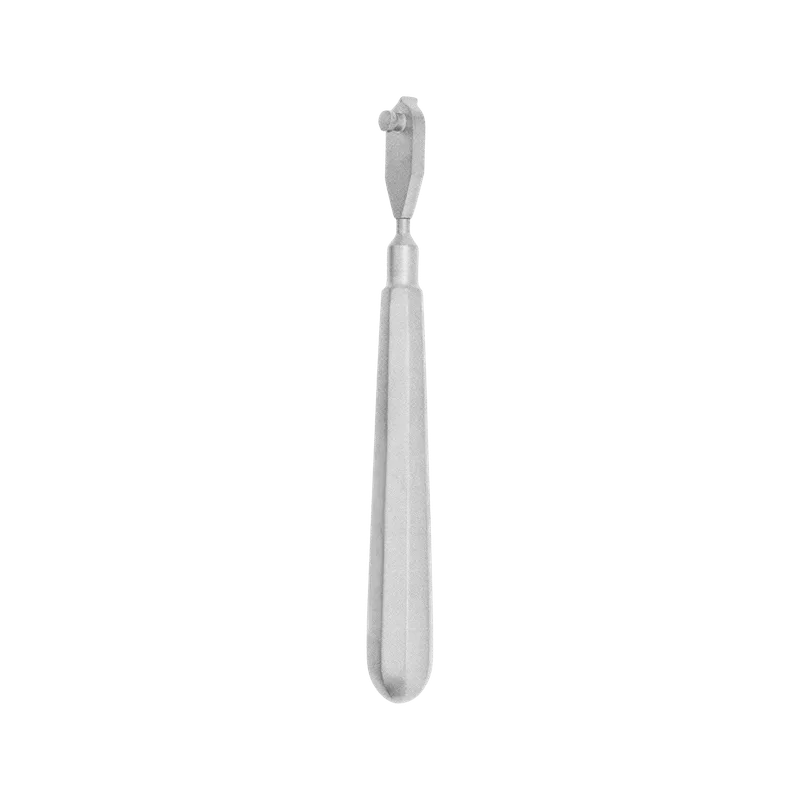
Molar Band Seater
EI-2566
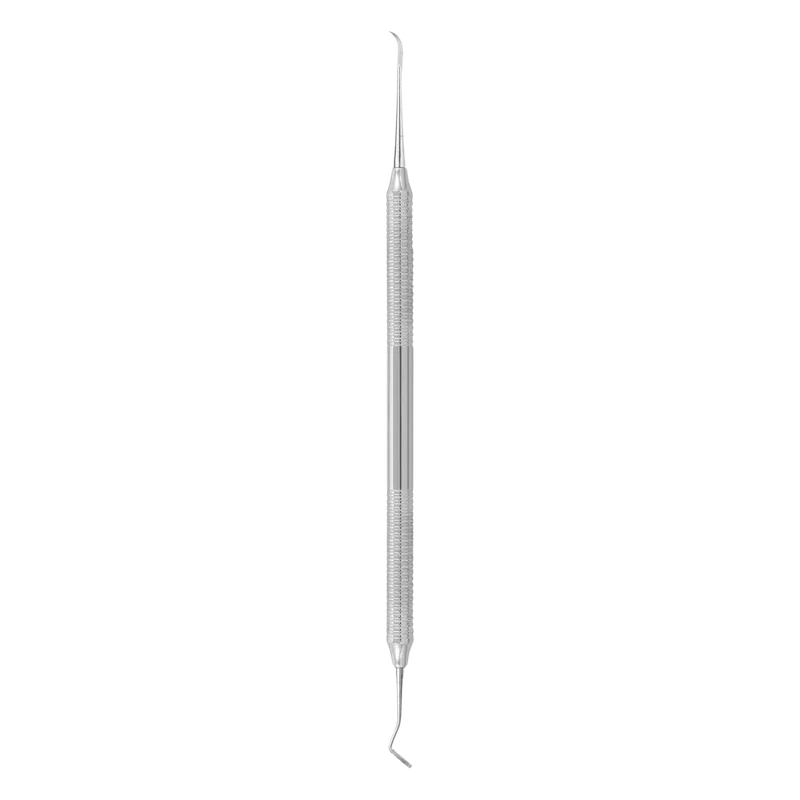
Band Pusher Mini Scaler - 6 mm Solid Handle
EI-2569
Orthodontic Band Pusher Scaler - Solid Stainless Handle 6 mm
EI-2572
Orthodontic Band Pusher Scaler - Solid Stainless Handle 6 mm
EI-2573
Band Pusher Scaler
EI-3247
Schure Band Seater & Scaler - Solid Knurled Handle
EI-3248
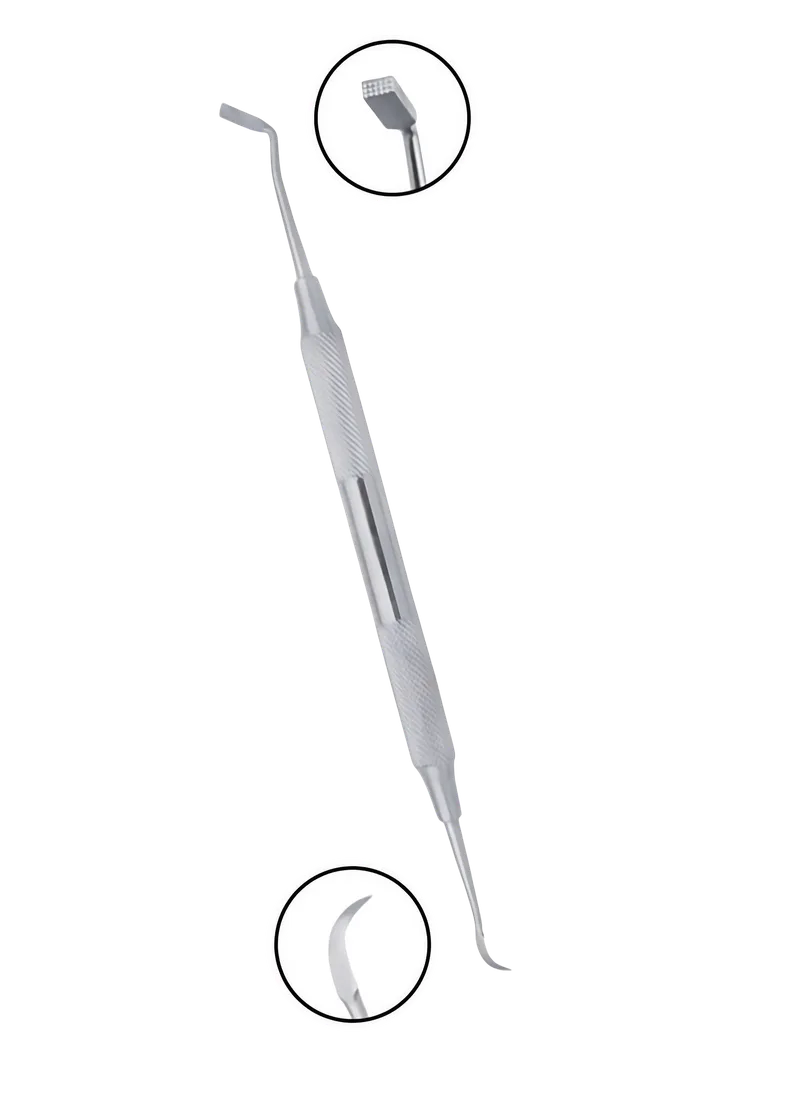
Schure Band Seater & Scaler - Hollow Stainless Handle
EI-3252
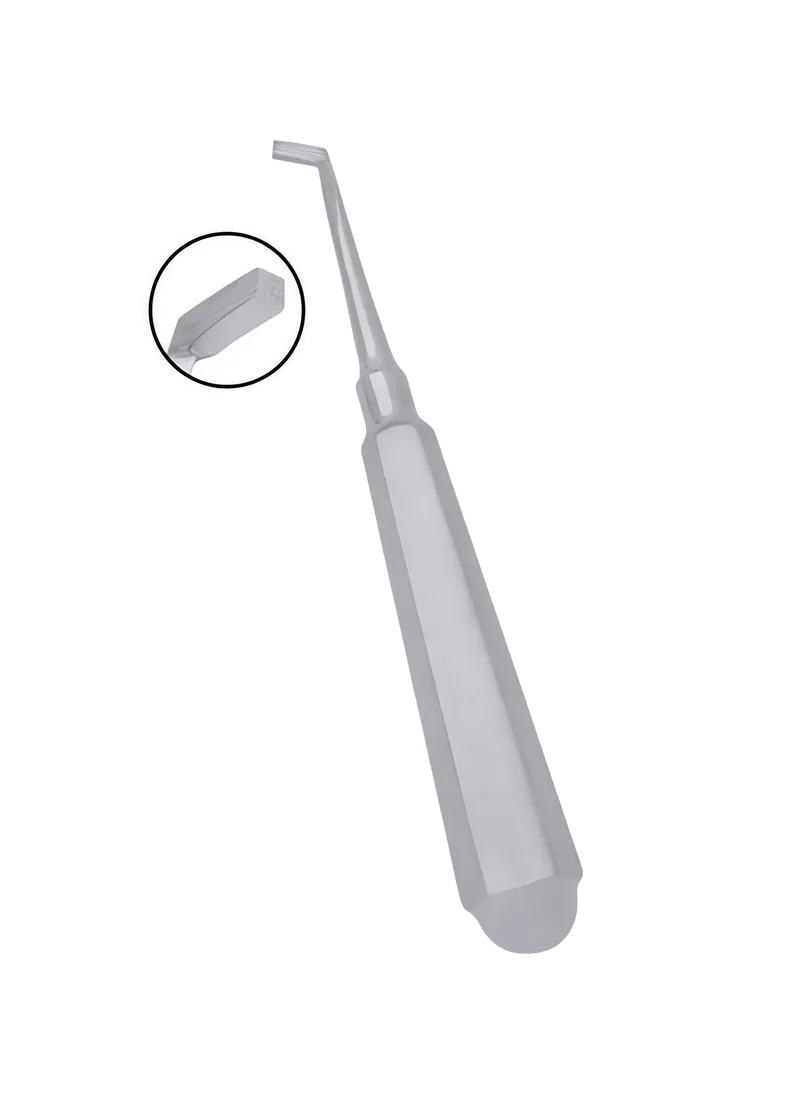
Mershon Band Pusher
EI-3253
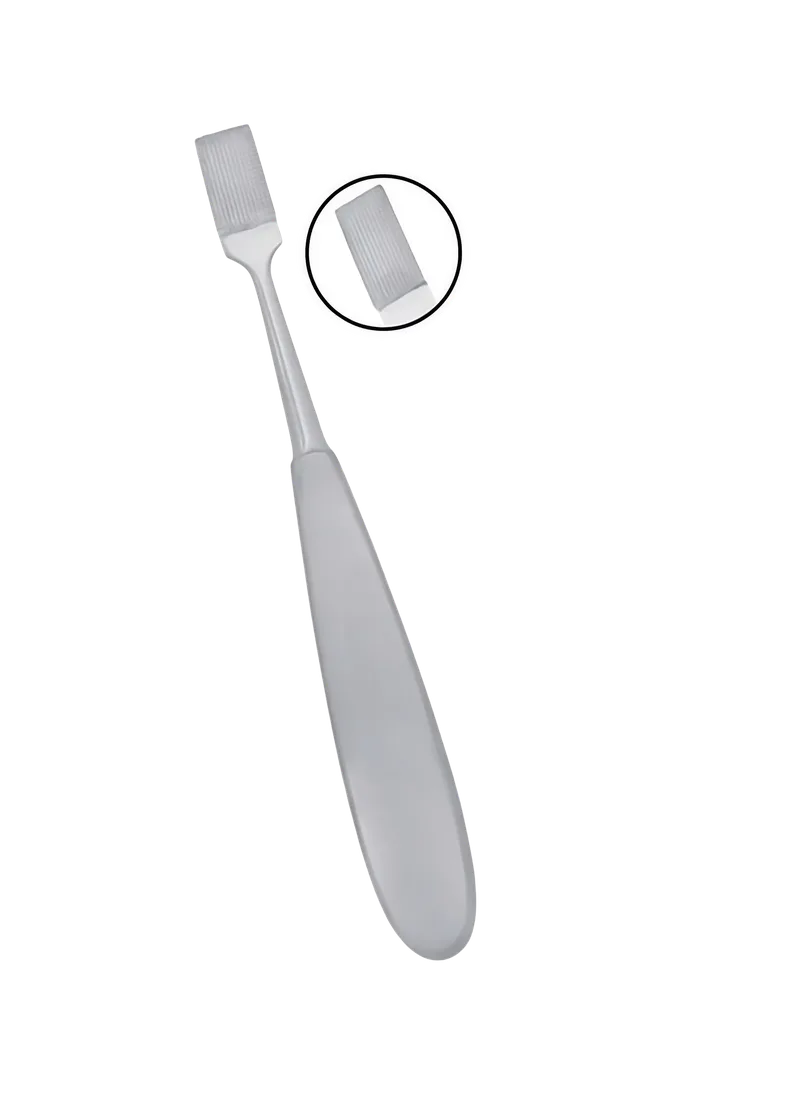
Stainless Steel Band Setter
EI-3256
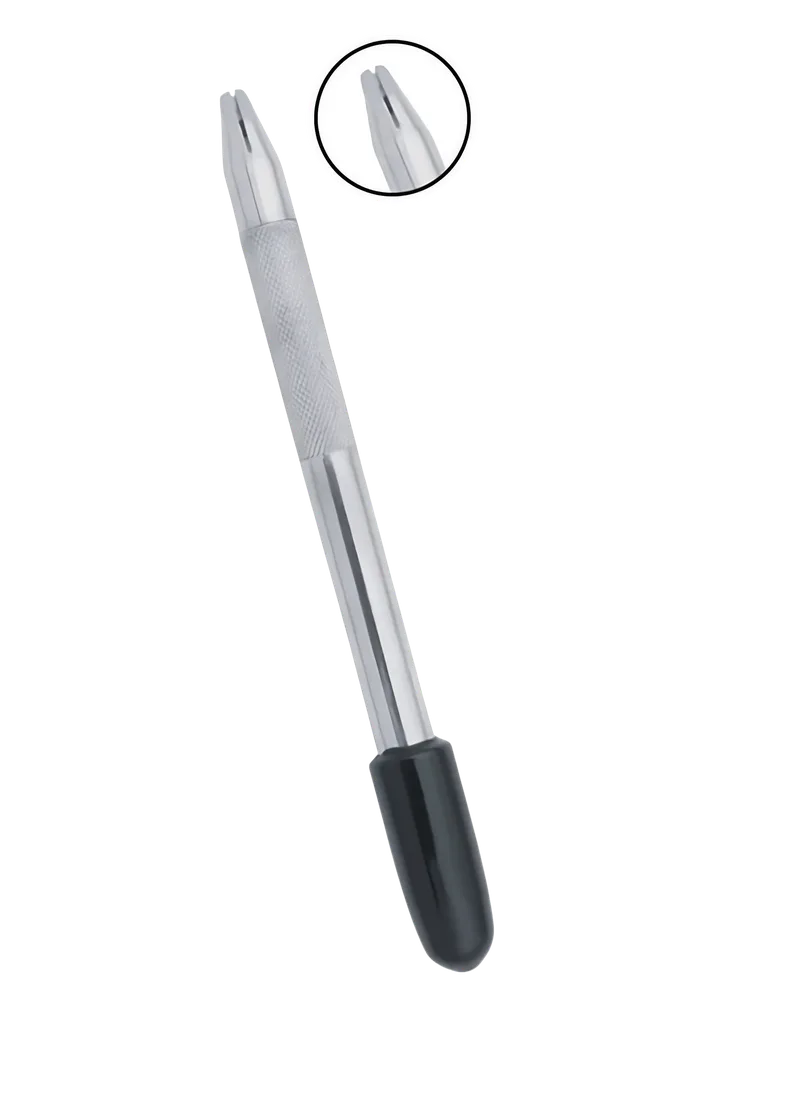
Nickel Titanium High-Heat ICE Band Pusher
EI-3262
Frequently asked questions
What is a band pusher used for in orthodontics?
It seats molar and premolar bands onto teeth by pressing on the occlusal edge or seating lug of the band with a serrated tip, usually after finger pressure and before cementation.
What is the difference between a band pusher and a band seating plier?
A band pusher is a hand instrument pushed against the band. A band seating plier grips the band or tooth and is squeezed to seat it. Many clinicians use both, depending on the tooth and band design.
What is a Mershon band pusher?
Mershon is a long-established pattern name for a band pusher with a serrated working end. Equate lists a 14 cm Mershon band pusher among its 10 band pusher scaler references.
Do I need a bite stick as well as a band pusher?
Teaching materials describe using the pusher and a bite stick together, with the patient biting to complete seating. A bite stick is a separate accessory and is not included in the pusher itself.
How do I know when a band pusher needs replacing?
When the serrations are rounded or the tip skids off the band edge instead of gripping it. Cleaning cement from the tip before sterilising extends its life.
Can a band pusher be autoclaved?
Stainless steel and nickel titanium pushers are autoclavable. Equate supplies them non-sterile so they can be processed in your own sterilisation workflow.
References
- University of Toronto orthodontic band selection and placement
- California Association of Orthodontists didactic material for orthodontic banding
- ISO 13485:2016 medical devices quality management systems
I am a…