Best Orthodontic Pliers for 2026
Written & reviewed by the Equate Technical Team · Updated
The best orthodontic pliers for most practices are, in order: a Weingart plier, a safety-hold distal end cutter, a ligature cutter, a curved Howe utility plier, a bird beak plier, a band removing plier, a debonding plier and, for aligner work, a hole punch and tear drop aligner plier. Choose tungsten carbide inserts for the cutters and Weingart.
Our ranked picks
1. Weingart plier
Used at nearly every archwire change to insert, guide and remove wire close to brackets. Buy two, and consider carbide tips for long-lasting grip.
See Weingart Orthodontic Pliers TC (0.71mm / .028 in Wire)2. Safety-hold distal end cutter
Trims archwire tails flush at the molar tube while holding the fragment — essential for patient comfort and safety. Carbide inserts strongly recommended.
See Distal End Cutter with Safety Hold 0.56 x 0.71 mm (.022″ x .028″ Wire, TC)3. Ligature cutter
Fine tips cut steel ligature ties at every visit. A second, angled version speeds posterior work.
See Micro Pin and Ligature Cutter Max 0.012 Inch Wire Tungsten-Carbide4. Curved Howe utility plier
The general gripping plier for carrying wire, seating bands and adjusting auxiliaries.
See How Utility Plier 3.2mm Max 0.028 Inch Wire5. Bird beak plier
The most versatile bending plier for loops, springs and clasps in round wire.
See Bird-Beak Plier6. Band removing plier
Lifts cemented molar bands safely with a cushioned occlusal tip.
See Posterior Band Removing Pliers Long Handle7. Debonding plier
Removes brackets at the end of treatment with a controlled bond failure that protects enamel.
See Direct Bond Bracket Remover Plier8. Aligner pliers (hole punch + tear drop)
For practices offering aligners: modify trays chairside to improve tracking and add elastics.
See Clear Aligner Hole Punch Plier 6 mm
How we ranked them
This ranking is based on how often each instrument is used in a typical fixed-appliance practice, how hard it is to substitute with another instrument, and how much a quality difference shows chairside. Cutters and the Weingart rank high because a poor one is noticed immediately: a cutter that crushes instead of cuts, or a plier that lets wire slip, slows every appointment. Bending pliers rank a little lower because many practices rely on pre-formed archwires, but they remain essential for adjustments and removable appliances.
Selection criteria that matter
- Joint quality: a box joint with no side play keeps tips aligned for years.
- Tip precision: tips and blades that meet along their full length.
- Material: passivated stainless steel bodies; carbide inserts on cutters and gripping tips.
- Wire rating: each plier marked and used within its maximum wire size.
- Ergonomics: balanced weight and smooth spring return reduce fatigue.
- Serviceability: replaceable tips and pads, and pliers that can be sharpened or realigned.
Procedure to instrument map
| Procedure | Core instruments |
|---|---|
| Archwire change | Ligature cutter, Weingart, distal end cutter, ligature director |
| Wire bending and loops | Bird beak, Tweed loop former, three-prong, hard wire cutter |
| Banding / band removal | Band pusher, band seater, band removing plier, Howe |
| Debond | Debonding plier, adhesive removing plier, band remover |
| Aligner adjustments | Hole punch, tear drop, rectangular and thermal aligner pliers |
Premium quality without premium-brand pricing
Premium European orthodontic pliers from established German and US brands commonly list at €130–200 per instrument before VAT. Equate's pliers are designed in Finland and made under ISO 13485 with the same build features — forged stainless bodies, box joints, carbide inserts on key instruments — at a typical list price of about half the premium RRP. For a full eight-instrument tray, that difference is often several hundred euros.
The Equate difference
Equate's orthodontic catalogue covers all eight recommended instrument types across 396 references, with typical list prices of about €65 for wire pliers and €85–95 for cutters — roughly 40–52% below the median premium European RRPs of €134.80 and €158.85.
Equate Best Orthodontic Pliers for 2026 options
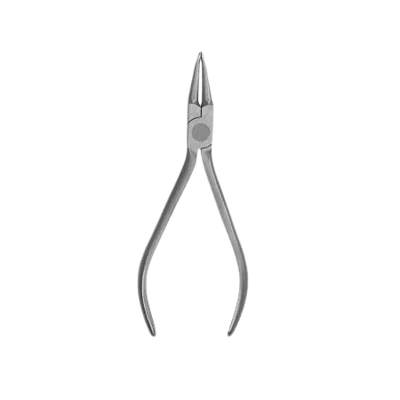
How Utility Plier 3.2mm Max 0.028 Inch Wire
EI-0679
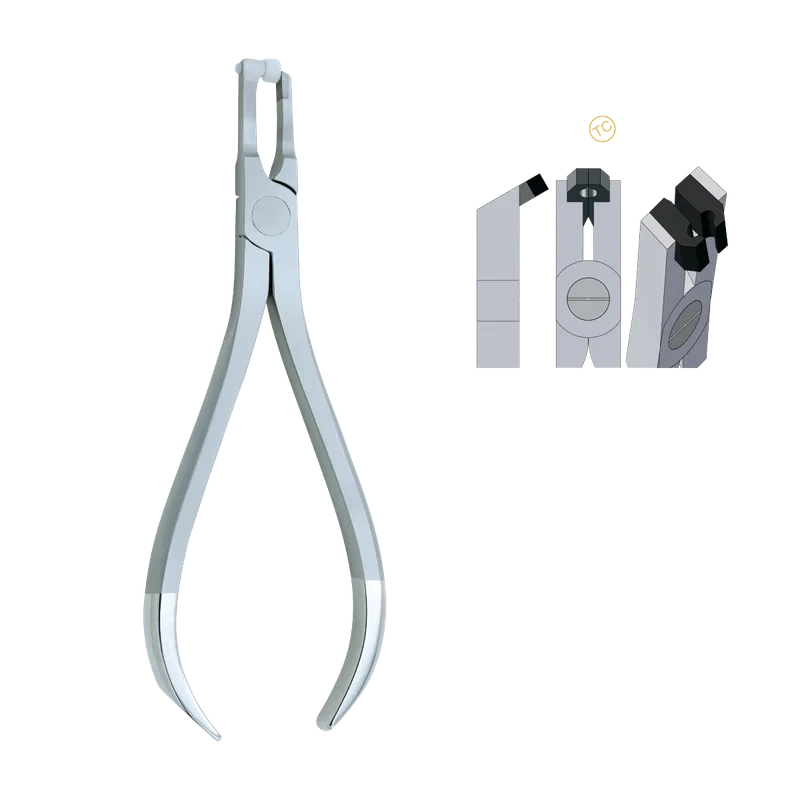
Angulated Debonding Pliers (TC)
EI-0685
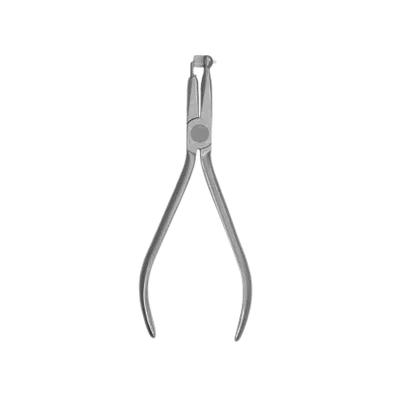
Adhesive Removing Pliers (TC)
EI-0686
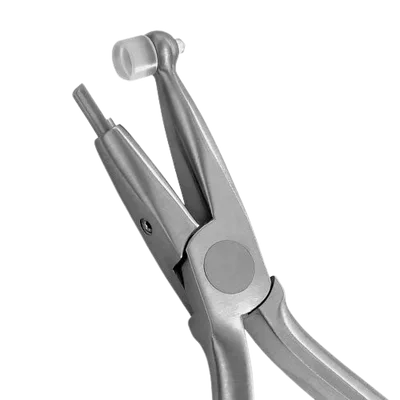
Adhesive Remover Changeable Parts - 5 Sets (Carbide Tip + Teflon Pad)
EI-0687
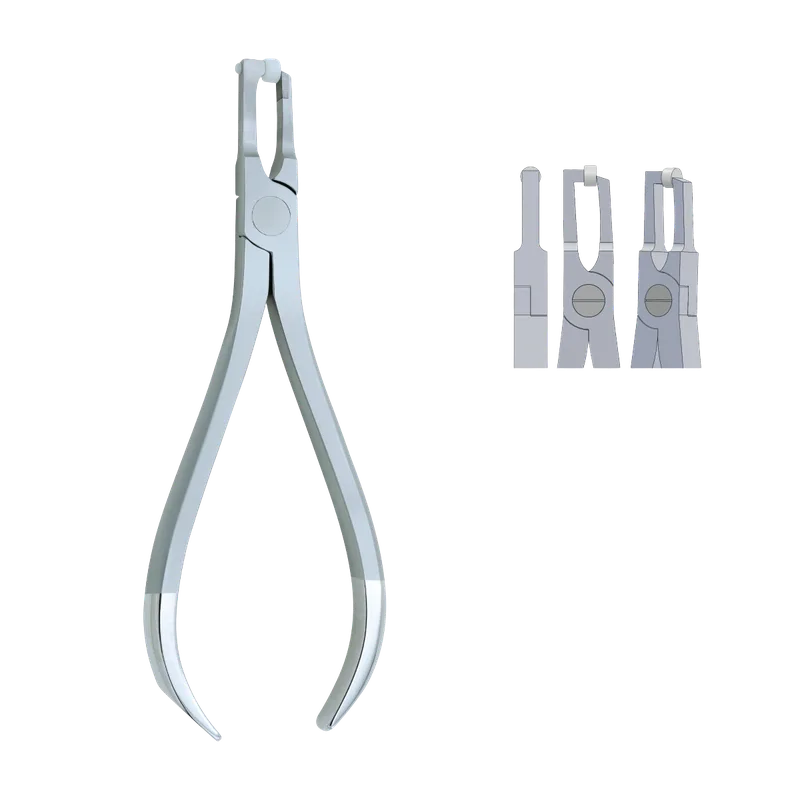
Posterior Band Removing Pliers Long Handle
EI-0696
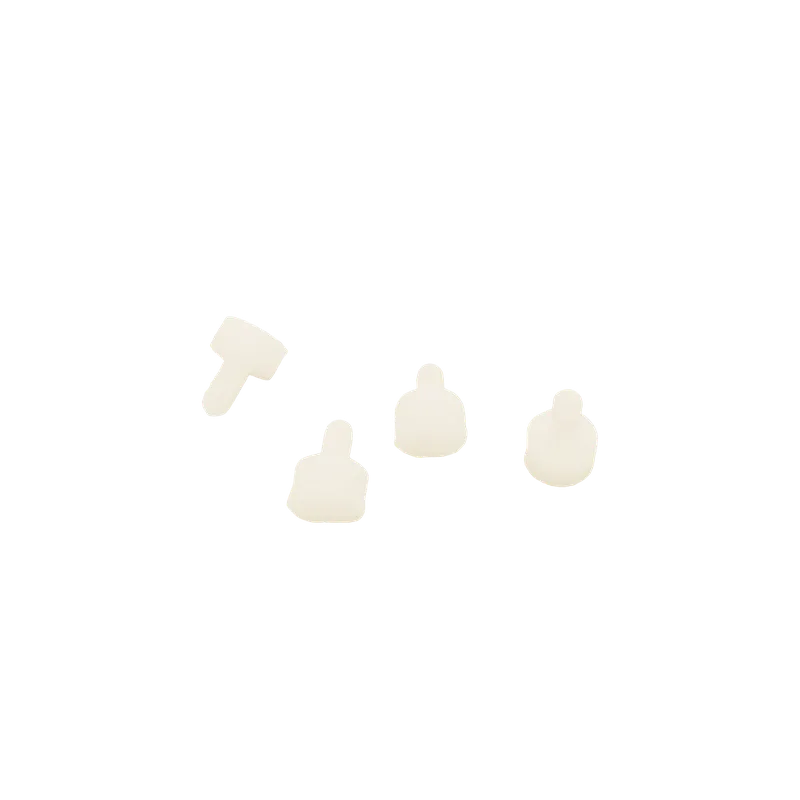
Plastic Replacement Tips for Band Remover (5 pcs)
EI-0697
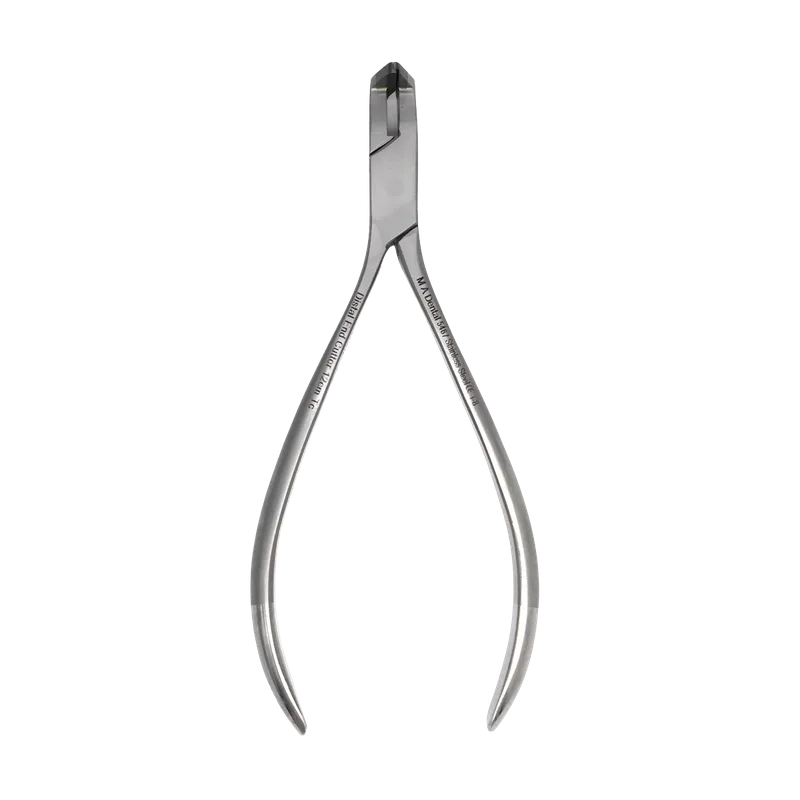
Distal End Cutter with Safety Hold 0.56 x 0.71 mm (.022″ x .028″ Wire, TC)
EI-0700
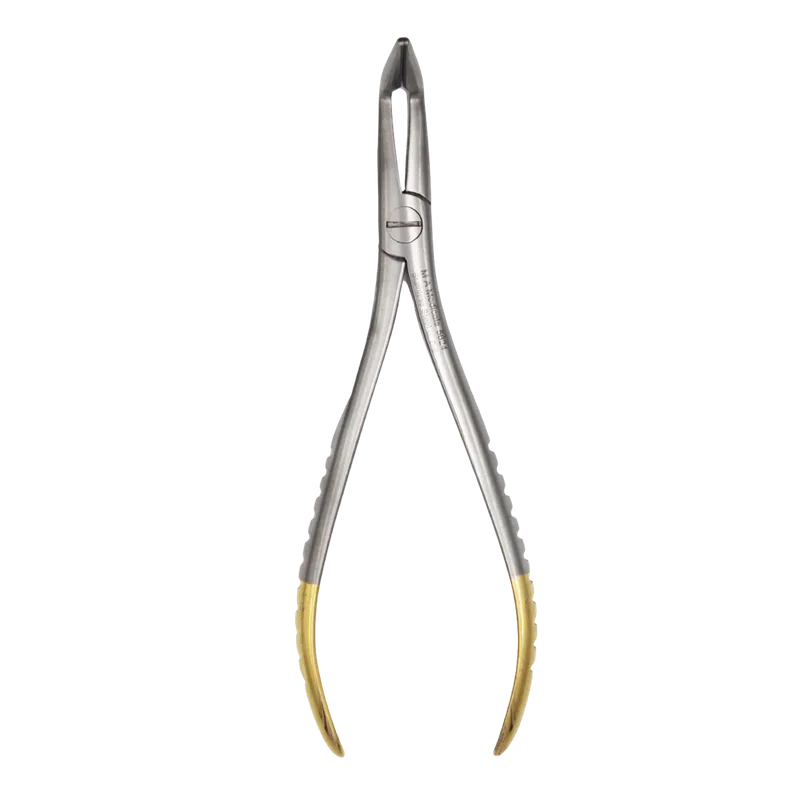
Universal Orthodontic Plier with Tungsten Carbide Tips
EI-0721
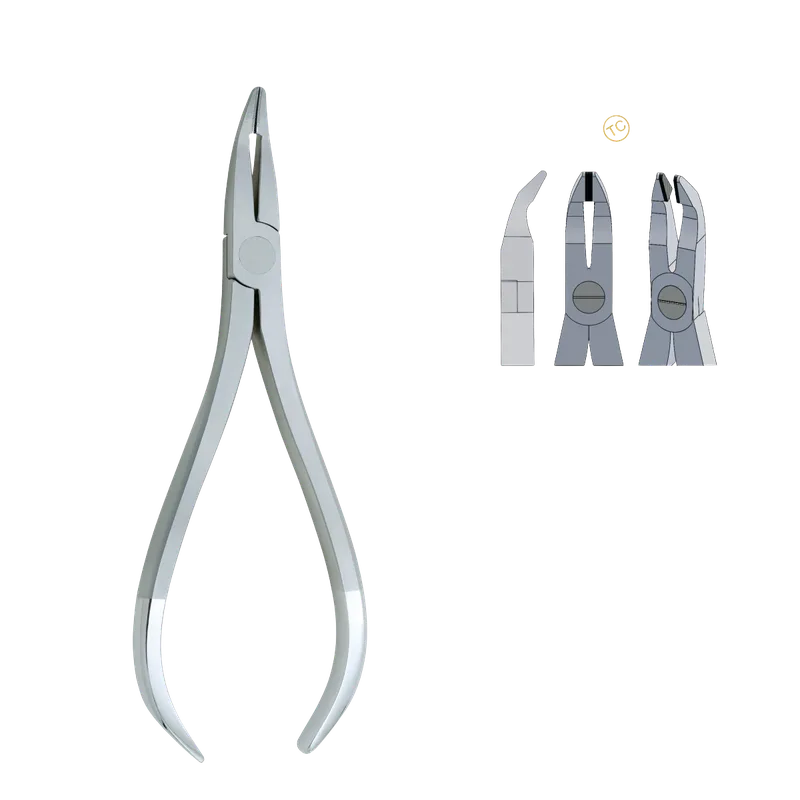
Weingart Orthodontic Pliers TC (0.71mm / .028 in Wire)
EI-0722
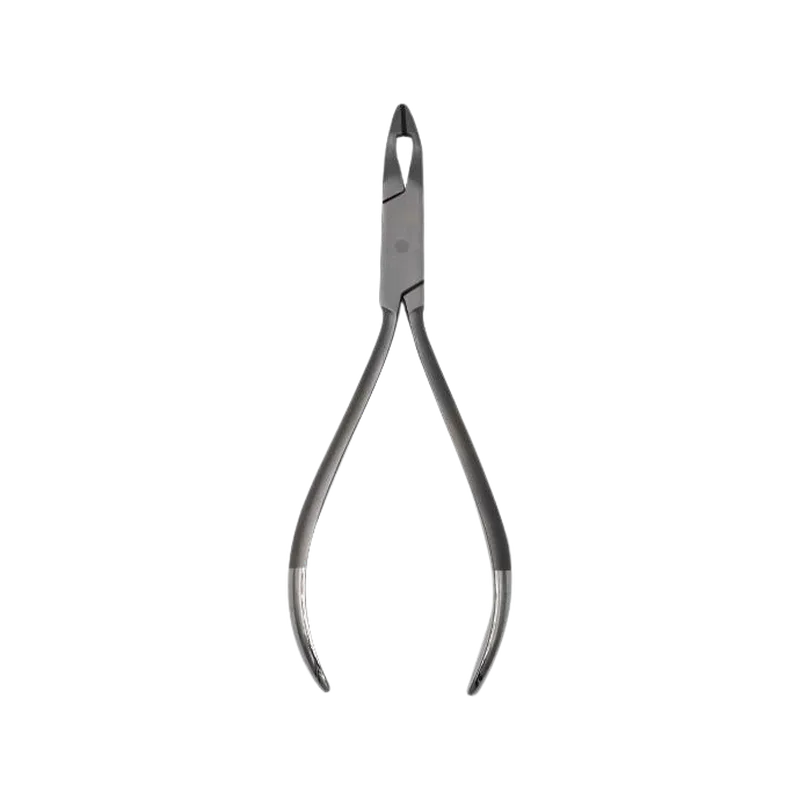
Long Weingart Pliers - Max 0.71mm (.028") Wire
EI-0723
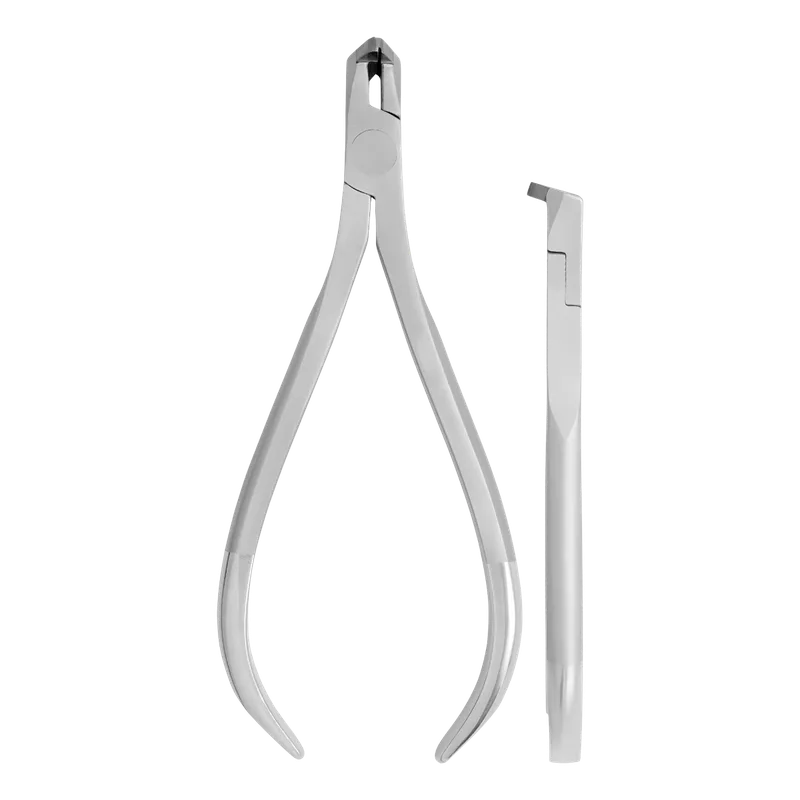
Mini Distal End Cutter with Safety Hold - Tungsten Carbide, 0.55 x 0.64 mm / .021 x .025 in Wire
EI-0793
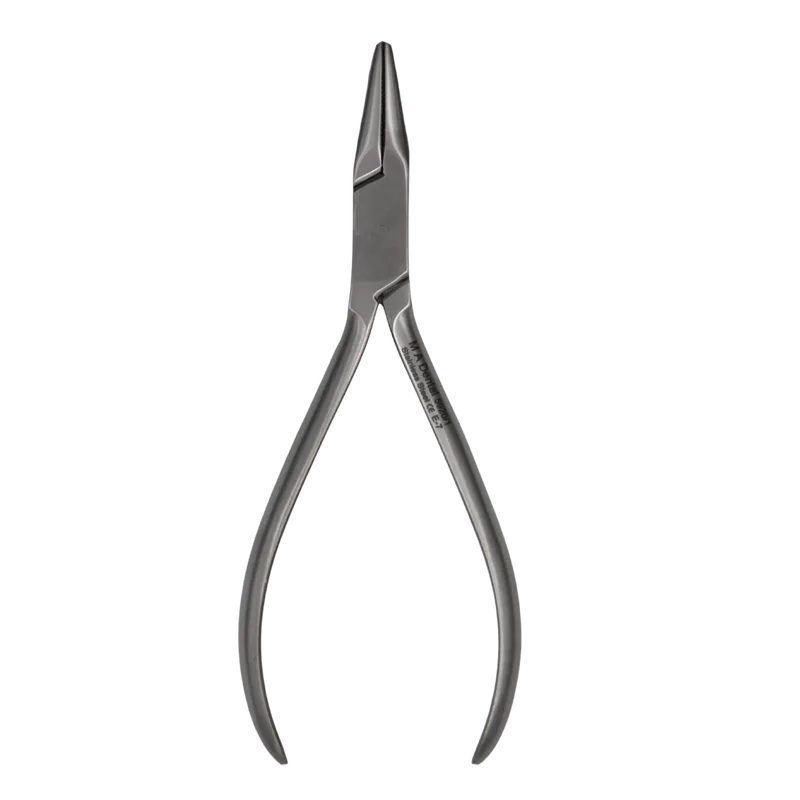
Flat Nose Orthodontic Plier - 20 mm Beak
EI-0805
Frequently asked questions
What are the most important orthodontic pliers?
The Weingart plier, the distal end cutter and the ligature cutter, because they are used at nearly every archwire change. A Howe utility plier and a band remover come next.
How many orthodontic pliers does a practice need?
A basic chairside set has six to eight instrument types. Most practices keep two or more of the most-used pliers per operatory so one is available while another is sterilised.
Which brand makes the best orthodontic pliers?
Several brands make excellent pliers. Compare build features — joint, tips, carbide inserts, wire ratings — and total cost of ownership rather than brand name alone.
Should all my orthodontic pliers be tungsten carbide?
Not necessarily. Carbide matters most on cutters and gripping tips. Bending pliers perform very well in quality stainless steel.
How long should orthodontic pliers last?
Well-made pliers that are cleaned, lubricated and used within their ratings typically last many years, with periodic sharpening or realignment.
References
- ISO 13485:2016 — Medical devices: quality management systems for regulatory purposes
- ISO 7153-1:2016 — Surgical instruments: materials, part 1: metals
- In vitro comparison of peracetic acid and autoclave sterilization in the corrosion of orthodontic pliers: a pilot study — Dental Press Journal of Orthodontics
- The effect of routine steam autoclaving on orthodontic pliers — PubMed
I am a…